+1 608-594-7071
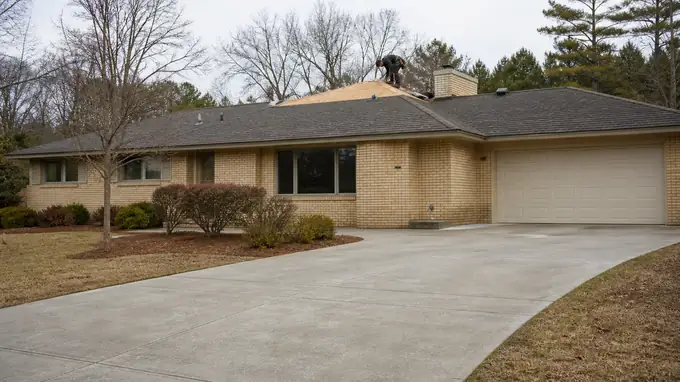
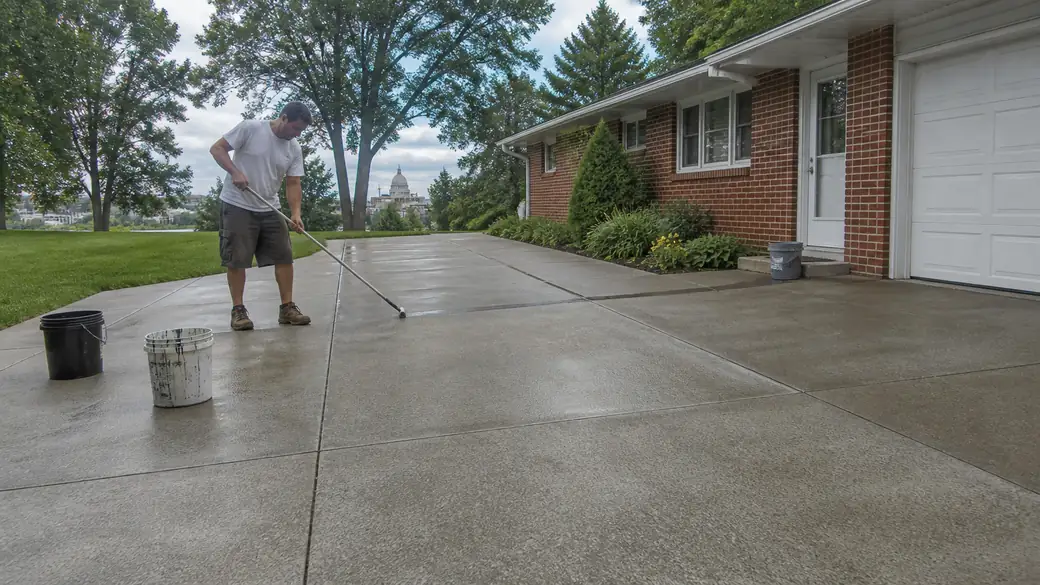
roof sealing completed by a local contractor at a red-brick ranch home in Madison, WI, after a rain shower.

Roof Sealing in Madison, WI

A roof seal is the coating and joint work that keeps water out of a roof that is still structurally sound. We do it on residential and commercial roofs across Madison. The median house here was built in 1979, and a roof that age has usually been patched more than once. Sealing is not a replacement. It is the maintenance step that adds years to a roof whose decking and framing are still good, without tearing anything off. That is most of the roofs we look at.

We start on the roof, not in the driveway. Flashing, pipe boots, seams, and the low spots on flat roofs get checked one at a time, because that is where water finds its way in. Then we tell you plainly whether a seal will hold or whether a repair has to come first. On metal and flat systems the sealant carries most of the load. On shingle roofs the flashing and the transitions matter more, and we spend our time there.

Most failures are quiet. A seal put down over dirt or damp material lets go within a season. Sealant smeared across failed flashing hides a leak until it shows on a ceiling. Water that sits behind a bad seal works into the sheathing and, given time, into the structure. We see the same pattern on properties from downtown Madison out to Sun Prairie. Getting it right takes more care than more product. Call us for a free estimate on your roof.

Call +1 608-594-7071

Licensed, Bonded, and Insured ยท A combined 15 years of experience

Request an Estimate

We warranty all of our work because we believe in what we do.

What Roof Sealing Involves

Image slot Roof Repair Near Me 680px · 16:9 · no image declared for this subject

Roof Repair Near Me

We fix the spots where water gets in: lifted shingles, cracked pipe boots, rusted step flashing, split seams on flat roofs. Most leaks start small. A proper repair means pulling the damaged course, checking the deck under it, and reflashing with new metal rather than a bead of caulk. On flat roofs we cut out the failed section and patch with matching membrane and reinforced seam tape, then roof seal every penetration nearby.
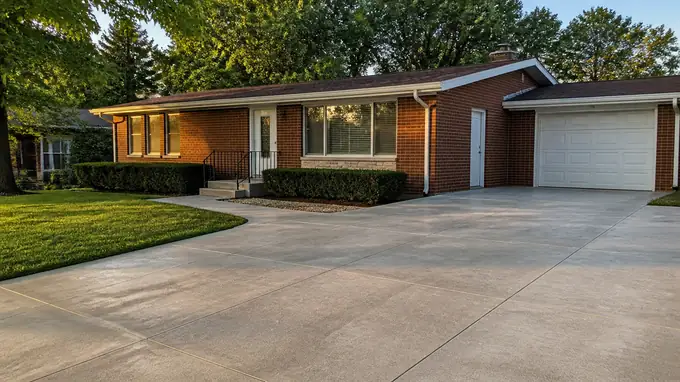
roof inspection completed by a local contractor at a red-brick ranch home in Madison, WI, in late afternoon light.

Roof Inspection

An inspection means walking the whole roof, not a look from the driveway. We check granule loss, nail pops, flashing at chimneys and sidewalls, valleys, vents, and the condition of any existing sealant. In the attic we look for stains, daylight, and wet insulation. On commercial flat roofs we probe seams, check drains and ponding, and note where the coating has worn thin. You get a written list with photos of what needs repair now and what can wait.

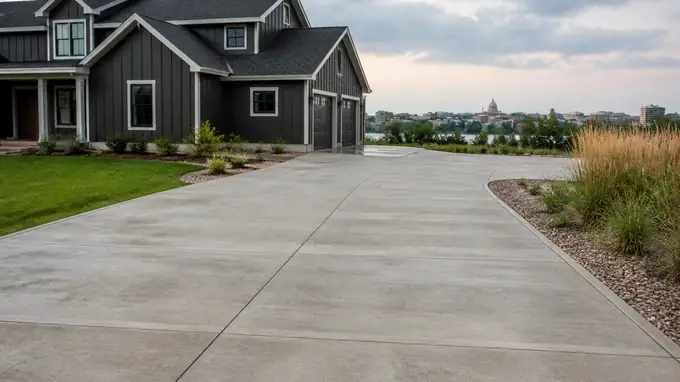
roof replacement completed by a local contractor at a charcoal farmhouse-modern home in Madison, WI, after a rain shower.

Roof Replacement

Replacing a roof means stripping to the deck and starting over. The median Madison home was built in 1979, so we often find soft or delaminated sheathing that has to be replaced before anything goes on top. Then ice and water shield along the eaves and valleys, synthetic underlayment over the rest, new drip edge, and fresh flashing at every wall and chimney. Roofs carrying an older layer underneath come off completely. Stacking more shingles adds weight the framing was not designed for.

roof installation completed by a local contractor at a buff-brick ranch home in Madison, WI, under bright midday cloud.

Install Roofing

New installation on a build or an addition starts with the deck fastened tight and flat. We set drip edge, underlayment, and starter strip, then lay the field in straight courses with every nail in the marked line. Metal roofing gets concealed clip fastening and closed ridge caps so wind cannot get under it. Flat sections get a fully adhered membrane with sealed laps. Every pipe, vent, and wall joint is flashed and roof sealed before we call the installation finished.

Roofing Projects We've Completed in Madison

Most of the roofs we seal in Madison sit on houses built around 1979, the median build year here, which usually means the shingles have been replaced once and the flashing has not. That is where our residential projects tend to start. A typical job runs from a walk of the roof and the attic, to a written scope, to sealing seams, penetrations, and flashing lines before water finds them. We pull permits through the City of Madison when the scope calls for it. Flat and low-slope sections behind dormers get the same attention as the main pitch, because that is where standing water sits longest.

Commercial work looks different. Flat roofs on retail and light industrial buildings need seam sealing on a maintenance schedule, not a rescue call after a leak reaches the ceiling tiles. We have run projects like that in Middleton as well as inside the city. The failures we see most are cracked pipe boots, rusted metal flashing at chimneys, and old sealant that pulled away from a parapet wall. None of it is dramatic. Small openings let water in slowly and turn into structural damage over years. Getting it right means finding every one of them before we open a tube of sealant, then coming back when the roof is dry to check the work.

Our Warranty and Guarantee

A roof seal is backed by the work under it, not by a document. A signed sheet does not keep water out of a house. Protection comes from the prep: a dry, clean substrate, flashing that is sound before any coating goes near it, and structural checks wherever the deck feels soft. When those steps are done properly, water has nowhere to get in and the seal performs for its full service life. We walk the finished roof with you, point out the flashing and seams, and leave photos of every stage. If something later needs attention, you know exactly what was done and where.

Most seal failures we see trace back to shortcuts. Coating applied over damp decking, sealant smeared across cracked flashing instead of replacing it, or a thin coat on a flat roof where water ponds. The median home in Madison was built in 1979, and a roof that age has usually seen at least one earlier repair, so we inspect every old patch before sealing over it. On commercial and residential jobs alike, we treat the seal as one layer of a roofing system, not a cover for structural damage underneath. Getting it right takes longer than a quick coat. It is also the only version worth paying for. Regular maintenance keeps it performing. Call for a free estimate.

Roofing Systems and Materials for Madison

Most roofs we seal in Madison fall into three systems: asphalt shingle on residential homes, standing seam or corrugated metal, and flat or low-slope membranes (EPDM, TPO, modified bitumen) on commercial buildings. Each one takes a different sealant and a different approach. Half the homes around here were built before 1979, so we see a lot of original flashing, older shingle, and repairs layered on repairs. Knowing what is under the top layer matters before anything goes on top of it.

Materials get matched to the roof, not the other way around. On shingle, we use a flexible roof seal at penetrations, valleys and step flashing, where water finds its way in first. On metal, the seams, fastener heads and ridge caps get an elastomeric sealant that moves with the panels. On flat commercial roofs, we prep the membrane, clean seams and drains, then apply a coating or seam sealer compatible with the material already installed. Products that do not bond to each other fail early.

Sealing is not a substitute for replacement. A shingle roof at the end of its life, a brittle membrane, or structural damage under the deck will not hold a seal for long, and we say so when we find it. Where the roofing system is sound, the right seal stops leaks and adds real protection to the property. Where it is not, we lay out repair or replacement options instead. Either way, the job starts with a close look at what is actually on the building, downtown or out in Fitchburg.

What Decides the Price of Roof Sealing

Every roof seal job is priced from the roof itself, not from a chart. Two roofs of the same size in Madison can land far apart once we see what is up there, how the water leaves, and how we get materials to the edge. Here is what moves the number, and most of it you can check yourself.

What changes the priceWhich wayWhy
An old coating already on the roofcosts moreFailed or chalking sealant has to be tested for adhesion, then stripped or primed before anything new will bond.
Standing water two days after raincosts morePonding areas need a thicker build, often a fabric-reinforced base, or the seal will lift right where it matters.
Number of vents, curbs, skylights and pipescosts moreEach penetration gets its own flashing detail, mesh and mastic. Twenty penetrations is a very different day than four.
Open seams or split flashingcosts moreRepairs come first. Sealing over a leak only hides it until it shows up on the ceiling.
Clear truck access to the eavecosts lessA lift or trailer parked beside the building means less hand carrying and pumping across a lawn.
Deck that is dry and sound underneathcosts lessNo wet insulation or rotted decking to cut out and replace before the coating goes down.
Roof that has been kept cleancosts lessLight pressure washing instead of scraping moss, debris and oxidation off the whole surface.
Flat roof versus a steep onecosts lessFlat and low-slope roofs are walked and rolled. Steep metal or shingle needs fall protection and slower work.

Compare bids on the same things: the dry film thickness in mils, whether seams and penetrations get reinforcing fabric, what prep and repairs are included, and the coating product named on paper. A lower bid that skips the prep is not the same job.

Get a Free Estimate

Request an Estimate

We warranty all of our work because we believe in what we do.

Tap to call +1 608-594-7071