+1 608-594-7071
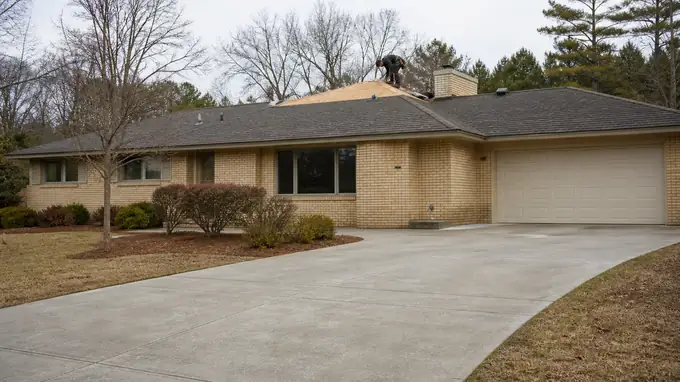
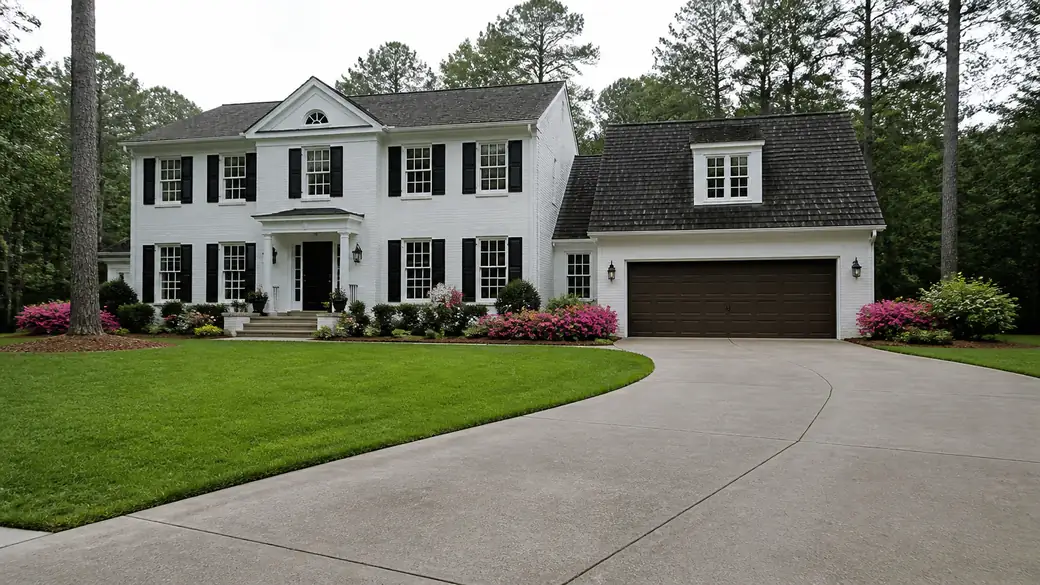
roof maintenance completed by a local contractor at a painted-white-brick two-story home in Madison, WI, under an overcast sky.

Roof Maintenance in Madison, WI

Madison Precision Roofing keeps roofs in working order across Madison, on houses and on commercial buildings. The median home here was built in 1979. Roofs on houses that age have had time for flashing to lift, sealant to dry out and fasteners to back off, and none of it announces itself until water gets in. Regular maintenance is how we find those spots while they are still small repairs.

Most of the damage we see does not start with a storm. It starts with a gap at a chimney, a vent boot or a valley that lets a little water through every time it rains, until the decking under it goes soft. That is the point where a repair turns into replacement. We would rather see the roof before then. Call for a free estimate on any residential or flat commercial roof, in Madison or out in Middleton.

Call +1 608-594-7071

Licensed, Bonded, and Insured ยท A combined 15 years of experience

Request an Estimate

We warranty all of our work because we believe in what we do.

What Roof Maintenance Involves

Image slot Roof Repair Near Me 680px · 16:9 · no image declared for this subject

Roof Repair Near Me

Most leaks start small: a cracked rubber pipe boot, a lifted shingle tab, a nail pop that backs out and opens a pinhole. We find the source before we touch anything, then fix that spot with matching materials. Step flashing gets replaced, not caulked over. A rotted deck board gets cut out and sistered. Missing shingles get new ones nailed to spec. Small repairs done right keep a roof going. Call for a free estimate.
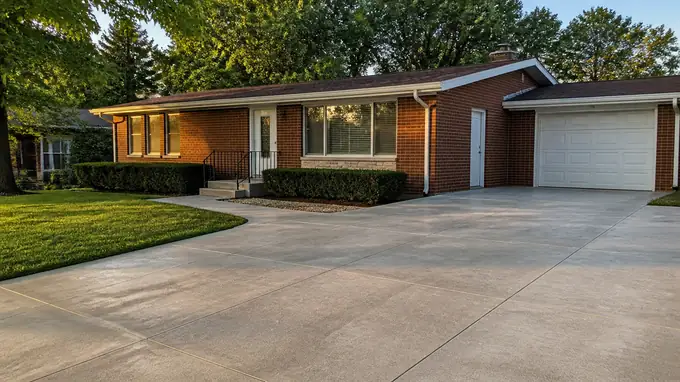
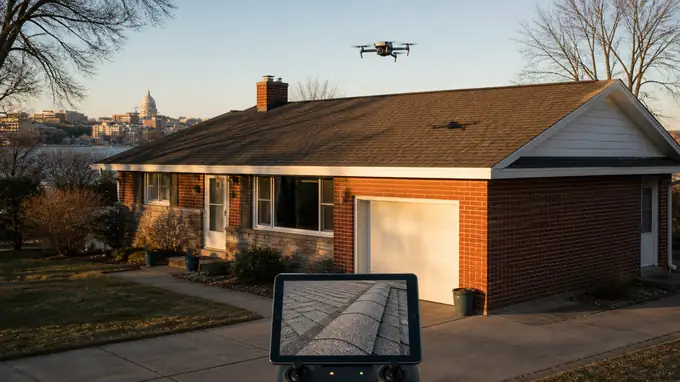
roof inspection completed by a local contractor at a red-brick ranch home in Madison, WI, in late afternoon light.

Roof Inspection

We walk the whole roof, not just the side you can see from the driveway. Granule loss, exposed nail heads, split sealant at the vents, rusted valley metal, soft spots in the decking. Chimney and wall flashing get a close look because that is where water usually gets in. Inside, we check the attic for stains and daylight. You get a plain written list of what we found and what it means.

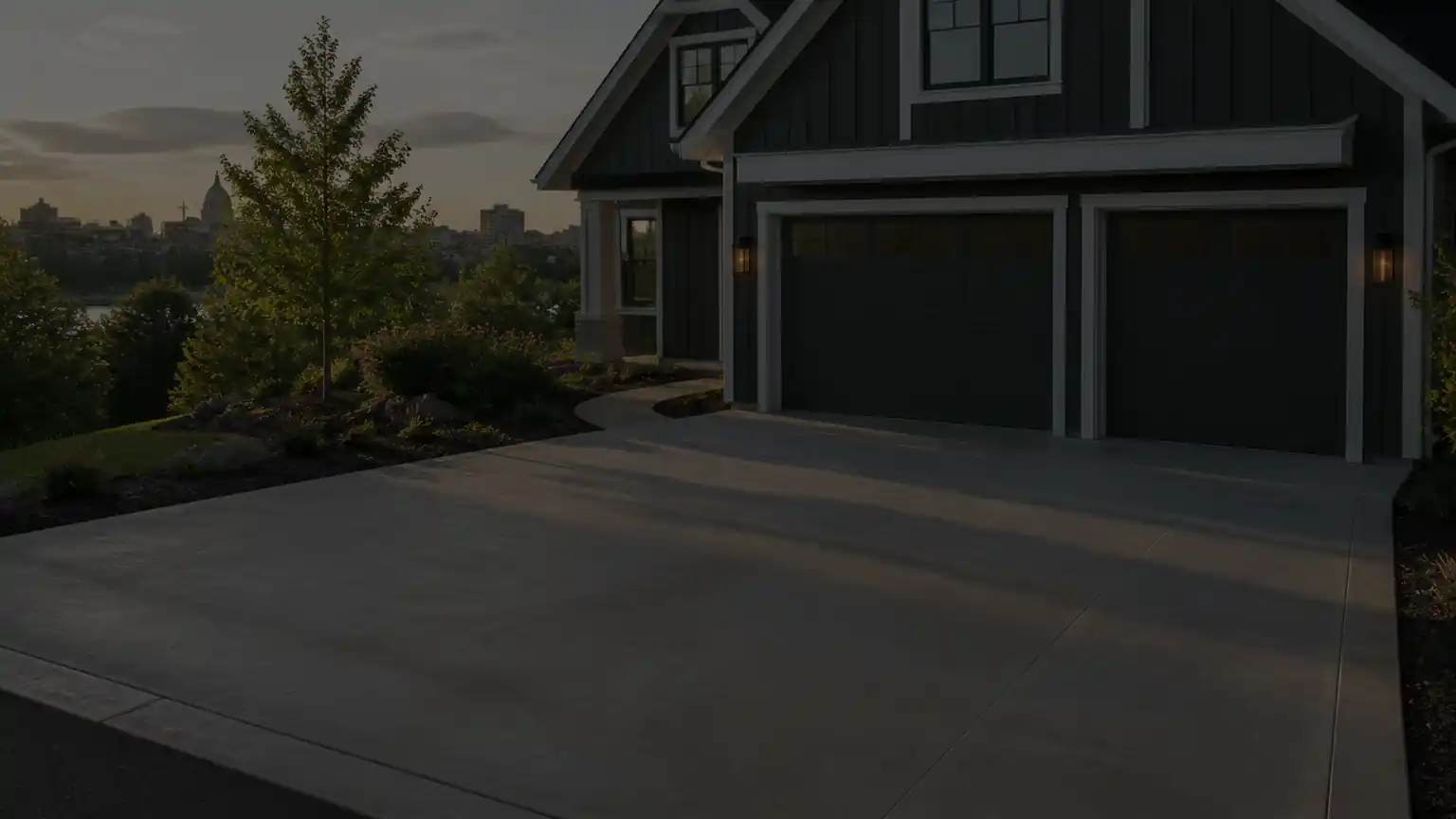
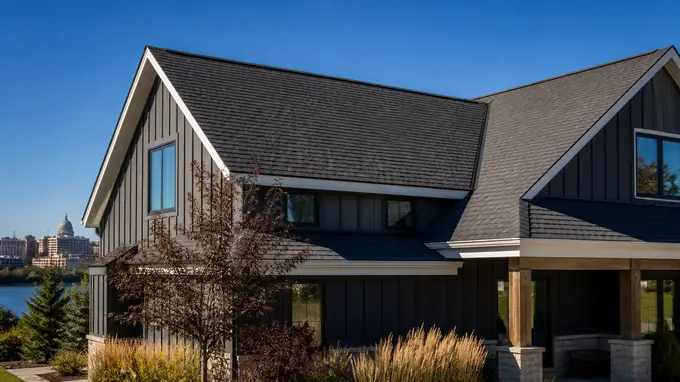
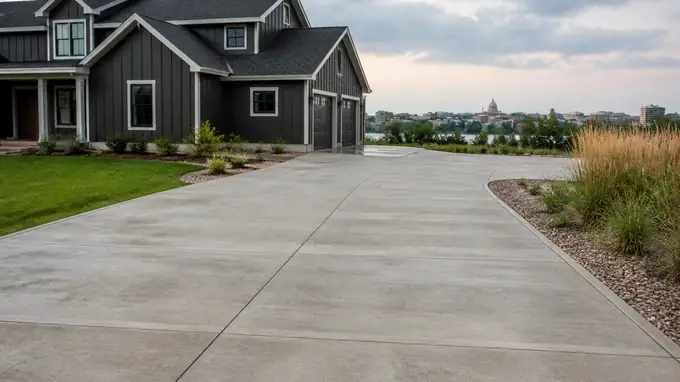
roof replacement completed by a local contractor at a charcoal farmhouse-modern home in Madison, WI, after a rain shower.

Roof Replacement

With a median build year of 1979 in Madison, plenty of homes are on their second or third roof. When repairs stop making sense, we tear off to the deck, replace bad sheathing, and start clean. Ice and water membrane at the eaves and valleys, synthetic underlayment over the field, new drip edge and flashing. Then architectural asphalt shingles or 26-gauge standing seam steel, six nails per shingle, ridge vent for airflow.

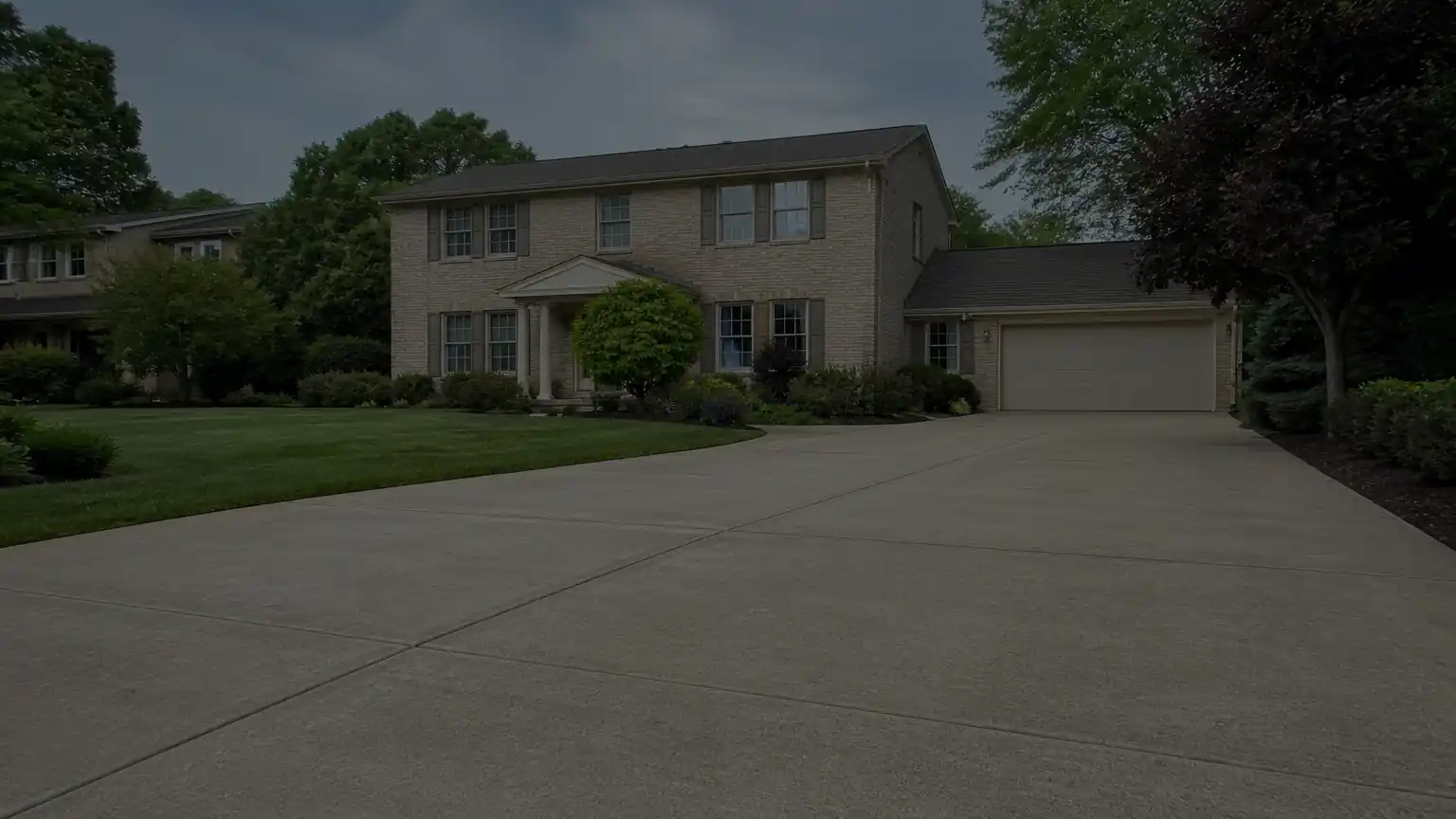
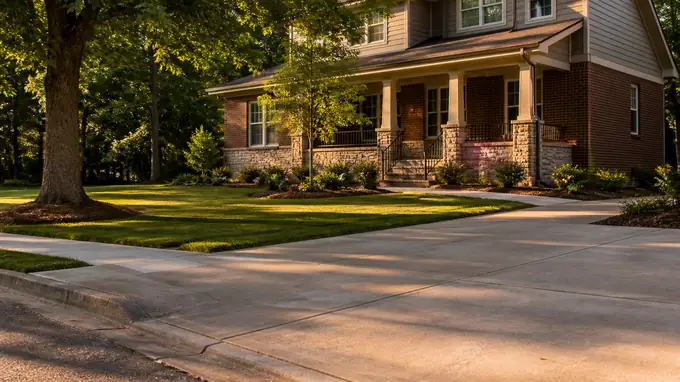
roof installation completed by a local contractor at a buff-brick ranch home in Madison, WI, under bright midday cloud.

Install Roofing

New construction, additions and garages in Fitchburg or anywhere across the area get the same system, built in order. Deck inspection first. Then membrane, underlayment, starter strip, field shingles or metal panels, and flashing at every penetration. For flat and low-slope roofs on residential or commercial buildings we install 60-mil EPDM or TPO, fully adhered, with proper terminations at the edges. A roof installed correctly the first time needs less maintenance later.

Roofing Systems and Materials for Madison

Most roofs we maintain around Madison are asphalt shingle, standing-seam metal, or low-slope membrane on commercial and residential buildings. Each roofing system asks for different care. Shingles lose granules and lift at the edges. Metal panels hold up a long time but depend on fasteners and seams staying tight. Flat roofs need clear drains and sound seams, because standing water finds every weak spot in the membrane.

Half the homes here were built before 1979, and an older roof usually has a history: patched flashing, a skylight added later, a valley redone by someone else. Flashing is where we spend the most time, since that is where leaks start no matter what covers the rest of the roof. We match repair materials to what is already there so a patch performs like the original.

What Customers Say About Our Roofing Services

We would rather show you the work than tell you what people think of it. Ask for addresses of recent repairs and replacements, then go look at the flashing, the ridge, and how the water leaves the roof. A roof that still sheds water a few seasons on says more than we can.

Permits for roofing work that needs them go through the City of Madison, and you keep a copy when the job closes. The median home here was built in 1979, so much of our day is maintenance and small leak repairs rather than full replacement, whether the property is in Madison or Middleton.

Frequently Asked Questions About Roof Maintenance in Madison

Can commercial roof repairs or a full replacement be done without shutting down or disrupting my business operations?

Yes. Most commercial work happens on the roof and stays there. We stage materials away from entrances, keep loading areas clear, and phase a flat roof replacement so no section sits open overnight. Noise is the main thing a tenant notices, so we schedule tear-off around your hours where the building allows it. Inside, your people keep working. If a repair touches the deck above an occupied room, we tell you beforehand.

What's the best roof sealant for Madison's climate, and how does local climate affect the sealing process?

There is no single best sealant. The right one depends on what it has to stick to: metal flashing, modified bitumen, EPDM, and asphalt shingle all take different products. We match the sealant to the substrate and apply it inside the temperature range the manufacturer rates it for. Cold surfaces slow the cure and damp surfaces kill adhesion, so we check both before opening a tube. Applied wrong, even good sealant fails within a season.

Why is roof snow removal important, and how is it done without damaging the roof?

Snow adds weight, and on a flat or low-slope roof that weight pools where the drains sit. Ice dams form at the eaves of a pitched roof and push water back under the shingles. We clear snow with roof rakes and plastic shovels, never metal, and leave a thin layer over the surface so no tool touches the membrane or shingle. Drains and scuppers get opened first so meltwater has somewhere to go.

What types of residential roof damage can be repaired, and how quickly should it be repaired?

Missing shingles, lifted flashing, cracked pipe boots, punctures, hail bruising, and small leaks are all repairs, not replacements. Repair them the same season you find them. Water follows the smallest opening into the deck and insulation, and a small repair turns into structural work once the sheathing rots. With Madison's median home built in 1979, many roofs are on their second or third covering, so we check the deck while we are up there.

What are the signs of residential roof failure?

Water stains on a ceiling are the sign most people notice, and by then the leak has been running a while. Earlier signs: granules collecting in the gutters, shingles that cup or curl, flashing pulling away from a chimney, daylight visible from the attic, and sagging along a ridge or between rafters. Sagging matters most. It points to a structural problem under the roofing, not just the covering, and it does not wait.

Do you offer emergency roof maintenance services, and how do emergency repairs differ from regular maintenance?

Yes. An emergency repair stops water, nothing more. We tarp the opening, seal the flashing that failed, or clear the drain that backed up, then do the permanent fix in daylight and dry conditions. Regular maintenance is the opposite: slow, thorough, done before anything fails. Inspect, clean, reseal, replace worn parts. Homes and commercial buildings that get maintained rarely need the tarp. Call us either way.

How a Roof Maintenance Job Runs in Madison

A drone hovers over a steep roof to photograph areas too high to reach by ladder. at a red-brick ranch home in Madison, WI, in late afternoon light.

Step 1: Roof Inspection

We start on the roof, not at the kitchen table. Every slope gets walked, and we check shingle wear, cracked pipe boots, rusted flashing, lifted nails and soft spots in the deck. Inside, we look at the attic for daylight, stained sheathing and wet insulation. Photos of every problem go into a report you keep. With a median home built in 1979, many Madison roofs have layers and patches underneath, so we look for those too.

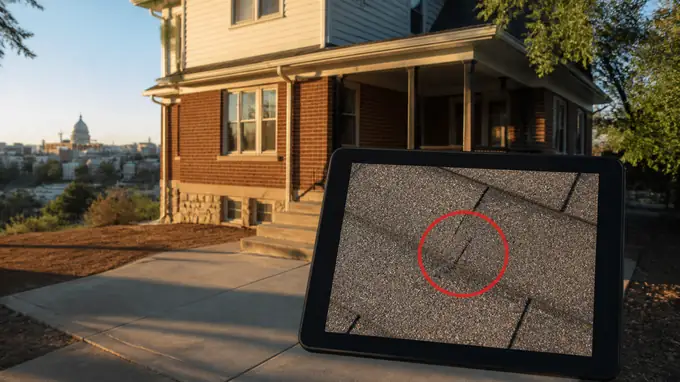
A roofer scrolls through inspection photos on a tablet while preparing the homeowner's estimate. at a brick-and-siding two-story home in Madison, WI.

Step 2: Written Estimate

The estimate lists every line: tear-off, deck repair by the sheet, underlayment type, shingle brand and weight, flashing metal, ridge vent length and disposal. Nothing sits in a lump sum. If a section of decking may need replacing but we cannot confirm it until the roof is open, we say so and price it separately so the number does not move on you later. Call for a free estimate.
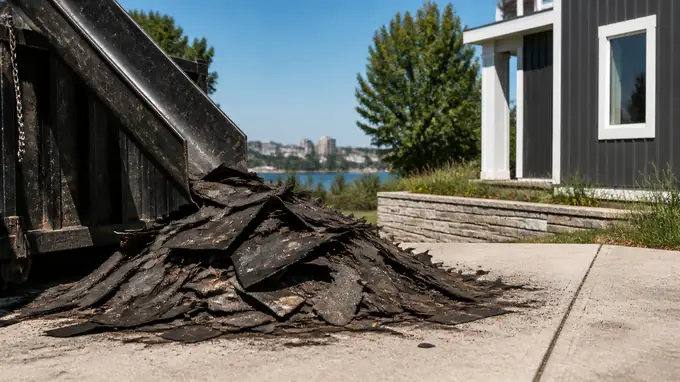
Workers tear off old shingles and toss them down a debris chute. at a charcoal farmhouse-modern home in Madison, WI, in clear late-morning sun.

Step 3: Removal of Old Materials

Old shingles come off down to bare wood. We do not lay new roofing over an existing layer, because the second layer hides rot and traps heat that shortens shingle life. Crews pull every nail or drive it flush, strip old felt and remove the old drip edge. Tarps protect the siding, landscaping and any flat porch roof below. Everything goes straight into the dumpster staged in the driveway.

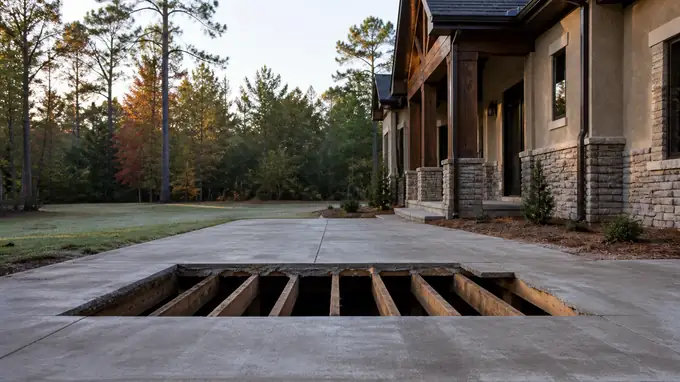
A roofer checks exposed rafters for daylight gaps before decking goes back down. at a stacked-stone and stucco home in Madison, WI, in early morning light.

Step 4: Deck Repair

Bare decking tells the truth. We probe every sheet for softness, delamination and water staining, especially around chimneys, valleys and old skylights. Rotted or broken sheathing gets cut back to solid framing and replaced with 7/16 inch OSB or 1/2 inch CDX plywood to match the existing thickness. Loose boards are refastened. On older homes with plank decking and wide gaps, we may sheet over it so the new shingles have full support.

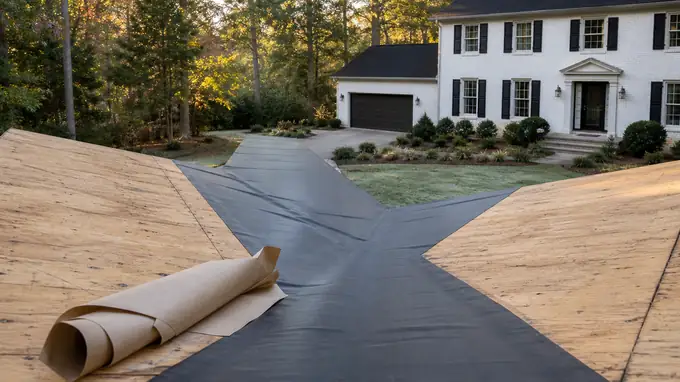
A roofer installs ice-and-water shield in a roof valley before the main underlayment. at a painted-white-brick two-story home in Madison, WI.

Step 5: Underlayment Installation

Ice and water membrane goes on first along the eaves, in every valley and around every penetration. It self-seals around nails and stops water that gets past the shingles. The rest of the deck gets synthetic underlayment, which lays flatter and tears less than 15 pound felt. New metal drip edge goes under the underlayment at the eaves and over it at the rakes so water sheds off the fascia instead of behind it.

A roofer fits new flashing around a roof vent during shingle installation. at a brick-and-siding two-story home in Madison, WI, in late afternoon light.

Step 6: Roofing Installation

Starter strip goes down along the eaves and rakes with the adhesive facing out. Shingles are nailed in the manufacturer's nail zone, four per shingle on most slopes, six where the pitch or exposure calls for it. We install new step flashing at every wall, new pipe boots, and counterflashing cut into chimney mortar. Ridge vent runs the full peak with cap shingles over it. Low-slope and flat sections get membrane, not shingles.

A contractor and homeowner walk the yard for a final look at the completed roof. at a charcoal farmhouse-modern home in Madison, WI.

Step 7: Final Inspection

Before the ladder comes down, a lead walks the roof again. Nail heads get checked for overdrive and underdrive, since both cause leaks. Flashing laps are confirmed. Cap shingles, vent seals and valley cuts are checked for straight lines and clean ends. We compare the finished roof against the photos from step one so every original problem has a matching fix. You get a final photo set of the completed roof.

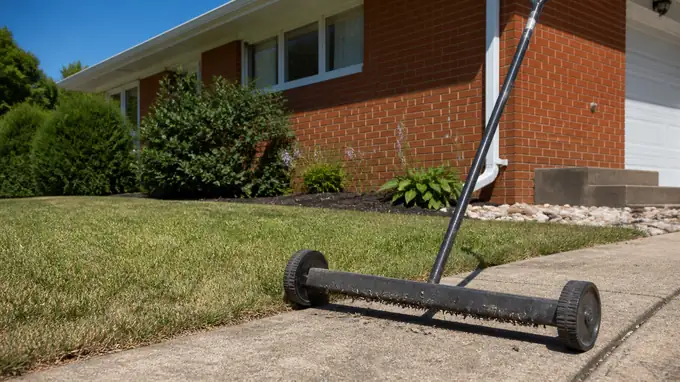
A worker pushes a magnetic sweeper across the lawn to collect stray nails. at a red-brick ranch home in Madison, WI, in clear late-morning sun.

Step 8: Cleanup

Magnets roll across the lawn, driveway and beds, then again in the opposite direction, to pick up stray nails. Gutters get cleared of granules and shingle scraps. Tarps come up, plants get unpinned, and the dumpster leaves the same day it was filled. We walk the property with you before we go. A roof job in Madison or Sun Prairie should leave no trace on the ground, only on the roof.

Get a Free Estimate

Request an Estimate

We warranty all of our work because we believe in what we do.

Tap to call +1 608-594-7071