+1 608-594-7071
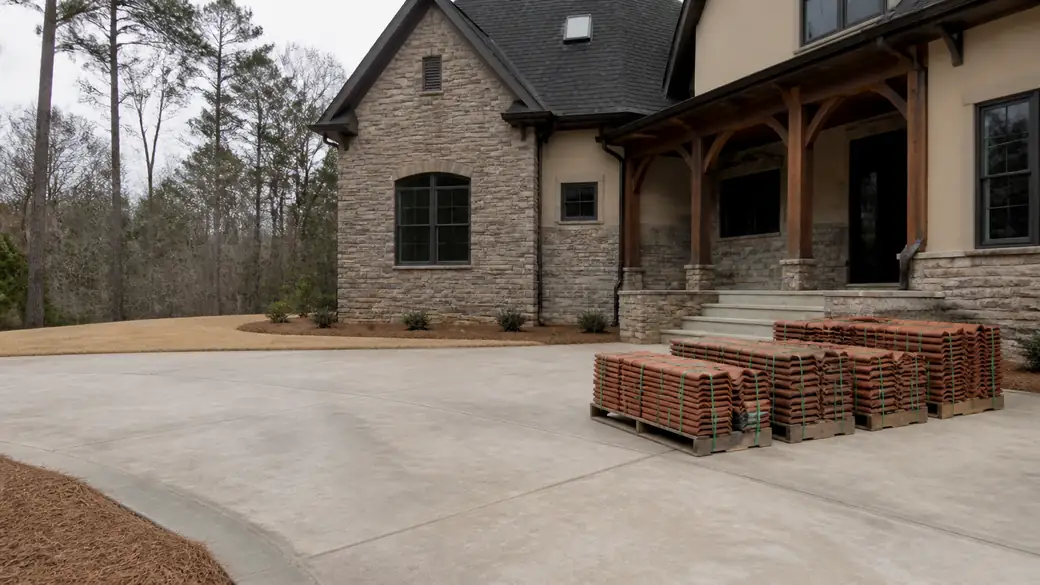
roof flashing installation completed by a local contractor at a stacked-stone and stucco home in Madison, WI, under bright midday cloud.

Roof Flashing Installation in Madison, WI

Flashing is the metal that closes the gaps a roof cannot close on its own. Where shingles meet a chimney, a wall, a vent pipe or a valley, water finds a way in unless something turns it back out. We install and replace that metal on residential and commercial roofs across Madison, pitched and flat. It is a small part of the roofing system by weight and a large part of it by consequence. Most of the leaks we trace do not start in the field of the roof. They start at an edge.

On a typical job we pull the old flashing and the shingles around it first, so we can see the deck and the framing underneath. Anything soft gets cut out and replaced. Then we set new step flashing, one piece per course, lapped under the shingle above and over the one below. Counterflashing goes into a cut in the masonry, not just pressed against it. Sealant is the last thing we reach for, never the first, because sealant fails and a metal lap does not.

The failures we see most are not dramatic. A chimney flashed with one bent sheet and a bead of caulk. Step flashing reused through two roof replacements because it looked fine from the ground. A pipe boot cracked at the collar. Each one lets a little water past, and the damage shows up months later as a ceiling stain, a soft spot underfoot, or a run of rot along a rafter. The roof looks whole from the street. The structure underneath is not.

Getting it right costs time on the roof and materials matched to the job, not the cheapest coil in the truck. With a median home in this market built in 1979, much of the flashing we open up is on its second or third roof, and the deck under it needs attention before anything new goes down. We would rather spend an extra hour there than come back for a repair. Call us for a free estimate, whether the house is in Madison or out toward Middleton.

Call +1 608-594-7071

Licensed, Bonded, and Insured ยท A combined 15 years of experience

Request an Estimate

We warranty all of our work because we believe in what we do.

What Roof Flashing Installation Involves

Image slot Roof Repair Near Me 680px · 16:9 · no image declared for this subject

Roof Repair Near Me

We repair the spots that actually leak: step flashing where a roof meets a sidewall, pipe boots split at the collar, valley metal rusted through, chimney counterflashing pulled out of the mortar joint. Most repairs mean stripping a few courses of shingle, setting new galvanized steel or copper flashing, and weaving shingles back in over it. Caulk is a stopgap, not a repair. We fasten and lap metal so water sheds on its own.

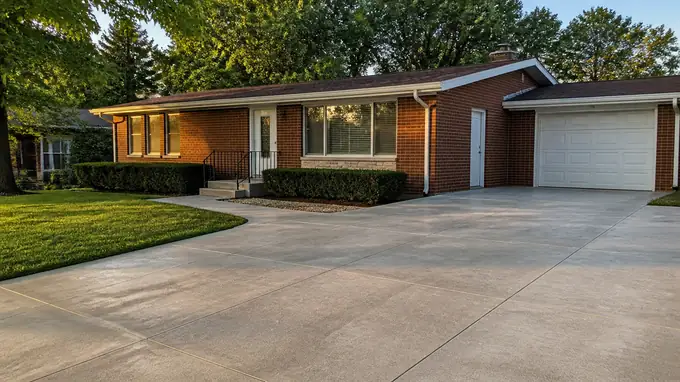
roof inspection completed by a local contractor at a red-brick ranch home in Madison, WI, in late afternoon light.

Roof Inspection

A roof inspection starts on the ladder, not the driveway. We walk the roof and check every flashing point: chimneys, skylights, plumbing stacks, sidewalls, valleys, and the drip edge along the eaves. We look for lifted nails, cracked rubber boots, sealant that has let go, and staining on the sheathing from inside the attic. You get a written list of what we found, what is urgent, and what can wait.

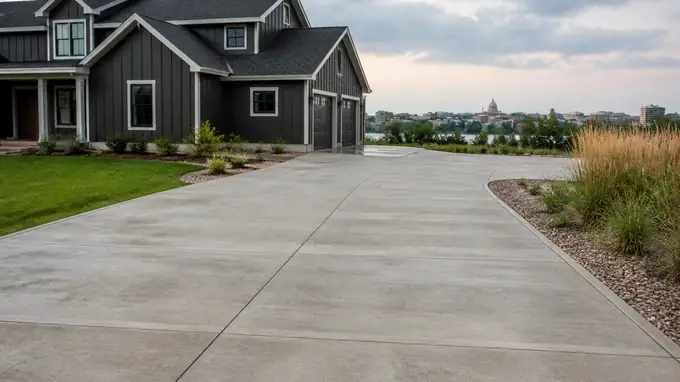
roof replacement completed by a local contractor at a charcoal farmhouse-modern home in Madison, WI, after a rain shower.

Roof Replacement

Tearing off to bare decking is where a replacement starts. We pull the old shingles, underlayment, and every piece of flashing, then inspect the sheathing and replace soft or delaminated panels. New ice and water shield goes in the valleys and along the eaves, synthetic underlayment over the field, then new drip edge, step flashing, and counterflashing before a single shingle is nailed. The City of Madison issues the permit, and we handle that paperwork.

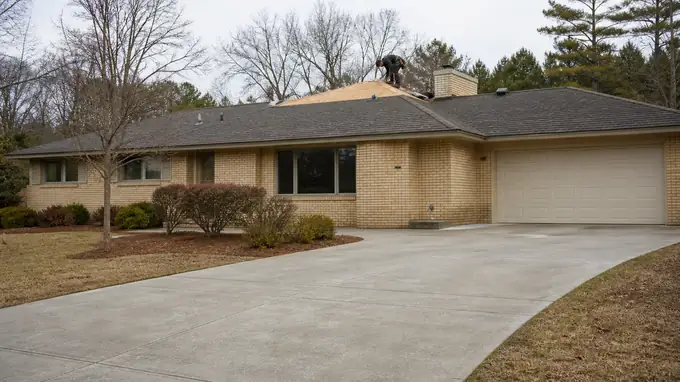
roof installation completed by a local contractor at a buff-brick ranch home in Madison, WI, under bright midday cloud.

Install Roofing

Roofing installation comes down to the transitions. Field shingles are simple; the trouble lives where the roof meets a chimney, a dormer wall, a skylight curb, or a flat section on a commercial building. We install step flashing shingle by shingle, not in one long strip, and bend our own counterflashing so it fits the masonry. Metal roofs get concealed-fastener flashing kits sized to the panel profile. Call for a free estimate, from Madison to Sun Prairie.

Roofing Systems and Materials for Madison

Most roofs we work on in Madison fall into three families: asphalt shingle, standing seam metal, and flat or low-slope membrane. Shingles cover the bulk of residential work. Metal shows up on additions, porches and buildings where the owner wants a roof that outlasts the siding. Flat roofs, usually EPDM or TPO, sit on commercial property and on the occasional modern house. Each system sheds water differently, and the flashing has to match the system it is protecting, not the one the installer knows best.

Every installation starts with a look at what is already there. We check the deck for soft spots, trace how water leaves the roof, and note every penetration, valley and wall junction. Then the materials go on in order: underlayment, self-adhered membrane where the roof meets a vertical surface, the field material, and flashing worked into each course as it is laid rather than tacked on afterward. Ridge and soffit ventilation gets confirmed before we leave. A roof that cannot breathe wears out early.

Trouble usually shows up at transitions, not in the open field. Chimneys, skylights, sidewalls and plumbing stacks account for most of the leaks we trace. With the median Madison home built in 1979, many houses are old enough that the roof may already be on its second shingle layer, with flashing reused each time. On flat roofs, low spots hold standing water and seams open up. On metal, a mismatched fastener can corrode a panel from the inside out. None of this is dramatic at first. It is a stain on a ceiling, then a repair, then a replacement.

Getting it right means choosing materials for the roof in front of us. A steep shingle roof in Middleton and a flat commercial roof in Madison need different membranes, different metal and different details, and we do not carry one answer for both. Maintenance matters as much as installation: cleared valleys, sealed pipe boots and a look at the flashing every few years keep small repairs from turning into structural damage. Call us for an estimate on a repair, a replacement or a new roofing system, residential or commercial.
What Decides the Price of Roof Flashing Installation

Flashing is a small part of a roof, so its price comes down to a handful of things we can check from the driveway and the attic. The median home in this market dates to 1979, and what a house has picked up since then matters more than its footprint. Here is what moves the number.

What changes the priceWhich wayWhy
Roof pitch and stories (count them from the street)costs moreAbove about 8/12 or two stories up, we stage and tie off, and the work goes slower.
Number of penetrations: chimneys, plumbing vents, skylights, satellite mountscosts moreEach one gets its own flashing. A house with two chimneys and three skylights is a different job than one vent stack.
Decking under the old flashing (press it from the attic)costs moreSoft or stained plywood comes out before new metal goes on. Rot hides under leaks.
How the chimney was done last timecosts moreCaulk smeared over face-nailed metal means we cut a proper reglet into the mortar joint for counter flashing.
Truck access to the roof edgecosts moreA fenced yard, a detached garage or a shared drive means we carry ladders and materials by hand.
Metal type and gaugecosts moreCopper or heavy-gauge steel outlasts aluminum and costs more per foot. Match what is on the rest of the roof.
Where water collects (look for a dead valley behind the chimney)costs moreStanding water needs a cricket, not just flashing, or the leak comes back.
Shingles that lift and reset cleanlycosts lessSound, single-layer shingles mean less tear-back and less disposal.

Between bids, compare what each one actually names. Is the metal type and gauge written down? Is every penetration counted? Does the chimney get a cut-in reglet or a bead of caulk? What happens when we find rotted decking, and is tear-off and disposal included? A bid that answers those is one you can hold someone to.

What Customers Say About Our Roofing Services

Most conversations start with a leak or a stain on a ceiling, and the first thing we tell people is that flashing is usually the cause, not the shingles. We explain what we found, show photos from the roof, and lay out the repair or replacement as plain steps. Nobody should have to take our word for it. On a house built around 1979, the median for this market, we often find flashing that has been patched over several times, and we say so.

Once the day comes, we walk the property with you and cover anything below the work area before a single nail comes out. Old flashing comes off. The deck underneath gets checked for water damage and structural softness, then new metal goes in at chimneys, valleys, walls and vents. We seal every joint and test it with a hose before we pack up. Cleanup is part of the job, not an extra, and we run a magnet across the lawn for nails.

Ask us anything about the finished work. We leave you with photos of the new flashing in place and a short note on what to watch: staining near the chimney, granules in the gutters, water at a wall junction after heavy rain. Regular maintenance catches small problems before they turn into a full roof replacement, and we say that to every homeowner, residential or commercial, whether the house sits in Madison or out in Middleton. If something looks off later, call. We would rather look at it early than after the drywall goes.

Get a Free Estimate

Request an Estimate

We warranty all of our work because we believe in what we do.

Tap to call +1 608-594-7071