+1 608-594-7071
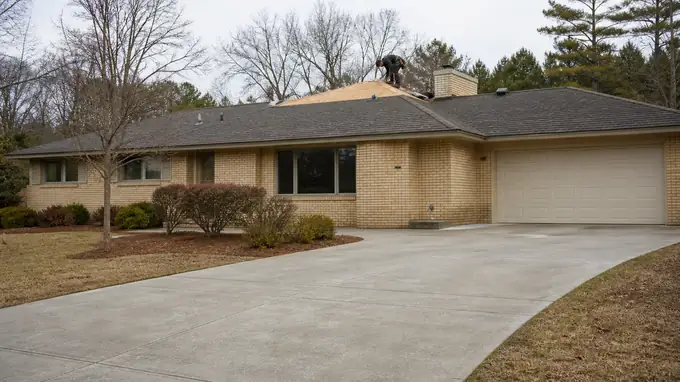
roof coating completed by a local contractor at a tan-brick colonial in Madison, WI, under an overcast sky.

Roof Coatings in Madison, WI

We apply roof coatings across Madison and the surrounding towns, mostly on flat and low-slope commercial roofs where a full replacement is not yet the right call. Much of what we coat sits on buildings with some age on them. The median home here was built in 1979, and a roof that has been up that long has usually been patched more than once. A coating lays a fresh waterproof layer over the existing membrane or metal, restores the protection the roof had when it was new, and buys years of performance without tearing anything off.

Every job starts with us on the roof, not with a brochure. We walk the seams, the drains, and the flashing at every penetration and parapet, and we look for the low spots where water has been sitting. Repairs come first. Split seams get patched, failed flashing gets replaced, and wet insulation gets cut out, because a coating over a bad substrate just hides the leak. Once the roof is sound, dry, and clean, we apply the coating at the thickness the manufacturer calls for and check it as we go rather than eyeballing it.

Roofs mostly fail at the details. A cracked pitch pan, a lifted seam, a drain that clogs: these are where leaks start, and they rarely announce themselves until a ceiling below is stained. On a commercial building that can mean damaged stock, a rotted deck, or structural repairs that go well beyond the roof. Coating is maintenance, not magic. Done on a sound roof and kept up on a schedule, it keeps water out and puts off replacement. If you own a building in the Madison area, call us for an estimate.

Call +1 608-594-7071

Licensed, Bonded, and Insured ยท A combined 15 years of experience

Request an Estimate

We warranty all of our work because we believe in what we do.

What Roof Coatings Involves

Image slot Roof Repair Near Me 680px · 16:9 · no image declared for this subject

Roof Repair Near Me

Most repair calls start with a leak that shows up inside long before anyone looks at the roof. We trace water back to the source: lifted seams on a flat roof, cracked pipe boot flashing, fasteners backed out of metal panels, or a coating worn thin at the drains. Then we fix that spot with matching materials rather than smearing mastic over it. Small repairs done right keep a whole roofing system in service.
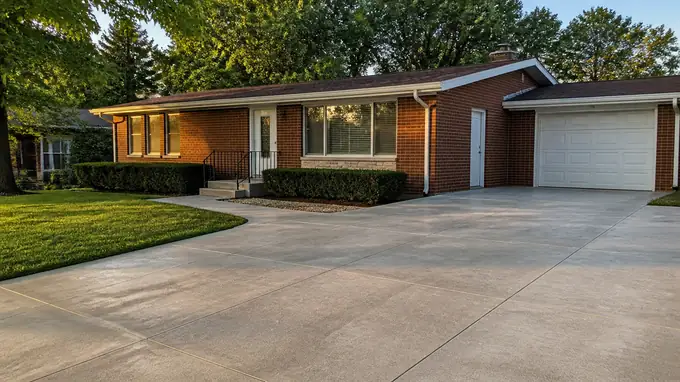
roof inspection completed by a local contractor at a red-brick ranch home in Madison, WI, in late afternoon light.

Roof Inspection

An inspection tells you whether a roof is a coating candidate or past that point. We walk the whole surface, probe for wet insulation, check membrane adhesion, and pull a core sample where a roof has been layered. Flashing at curbs, parapets and penetrations gets the closest look, since that is where most leaks begin. Wet insulation rules out a coating until it comes out. You get photos and a plain written summary of what we find.

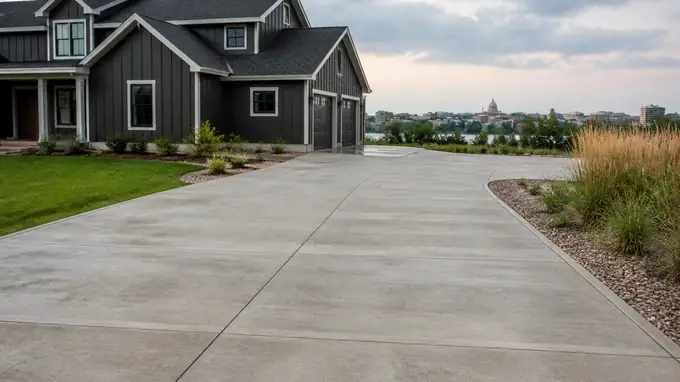
roof replacement completed by a local contractor at a charcoal farmhouse-modern home in Madison, WI, after a rain shower.

Roof Replacement

Sometimes a coating cannot save a roof. When the deck is soft, the insulation is saturated, or a membrane has failed across most of its area, replacement is the honest answer. We tear off to the deck, replace damaged decking, set new insulation and cover board, and install a new membrane, standing seam metal, or shingles depending on the building. Full replacement resets the roof and gives a coating something sound to bond to later.

roof installation completed by a local contractor at a buff-brick ranch home in Madison, WI, under bright midday cloud.

Install Roofing

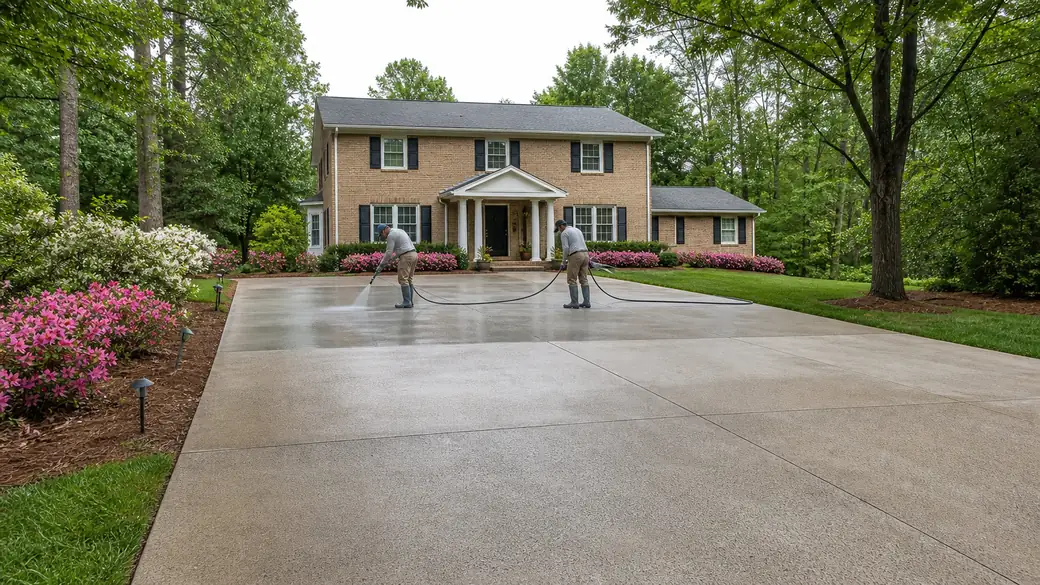
Installation is where coatings either perform or fail. We pressure wash the roof, repair seams and flashing, then prime as the manufacturer specifies. Silicone or acrylic goes on in two coats to a measured wet mil thickness, with polyester fabric embedded at seams, drains and penetrations. On commercial roof coating services we check dry film thickness before we leave. Residential and commercial jobs get the same steps; only the materials change.

Roofing Projects We've Completed in Madison

Most of our coating work is on flat and low-slope commercial roofs around Madison: warehouses out toward Middleton, strip retail, small office buildings, a few church halls. The membrane underneath is usually sound but tired. Seams lift, ponding water leaves rings, and the surface chalks under your hand. A coating puts a new weathering layer over all of that without tearing the roof off. We also coat metal roofs on shops and outbuildings, and flat sections over residential additions.

Every job begins with a walk of the roof, not a quote from the ground. We check for wet insulation with a moisture meter, because coating over trapped water seals the problem in. Then the repairs: flashing resealed at curbs and penetrations, open seams stitched, drains cleared, low spots built up. The roof gets pressure washed and left to dry. Only then do we prime and roll two coats, working seams and edges by hand first.

Not every roof should be coated, and we say so. A membrane shot through with wet insulation or split at every seam needs replacement, and a coating on top of it only delays the leak. The median Madison home was built in 1979, and roofs of that age often carry a few rounds of old repairs that have to come off before anything new goes on. On a typical warehouse job, that means two days of prep for one day of coating.

What Decides the Price of Roof Coatings

The price of a roof coating comes down to what is on your roof right now and what it takes to get a clean, dry, well-prepped surface to coat. We look at the building before we quote. So can you. Most of the factors below are visible from the roof hatch or the ground, and knowing them ahead of time makes the estimate faster and the bid easier to judge. Our commercial roof coating services follow the same logic on a flat roof over a shop as on a low-slope residential addition.

What changes the priceWhich wayWhy
Existing membrane in good shape (EPDM, TPO, modified bitumen)costs lessWe clean, prime and coat over it. No tear-off.
Saturated insulation under the membranecosts moreWet material has to come out and be replaced before any coating goes on, or the water stays trapped.
Ponding water that sits more than 48 hourscosts moreLow spots need tapered fill or added drains, and the coating needs a thicker build in those areas.
Open seams, cracked flashing, rusted metal edgescosts moreEvery penetration and seam gets reinforced with fabric and base coat before the top coat. More of them, more labor.
Reinforced system with embedded polyester fabriccosts moreTwo extra passes and more material, but it handles movement and structural stress better on an older roof.
Truck and lift can park next to the buildingcosts lessMaterial goes up by hoist. Hand-carrying pails across a lot adds hours.
Roof-mounted equipment (HVAC units, vents, conduit)costs moreWe coat around and under each one and flash every curb.
Permit filed with the City of Madisoncosts moreThe permit fee and inspection scheduling are part of the job on most commercial coatings.

When you compare bids, line up the same things: dry-film thickness in mils, whether the seams and flashing get fabric reinforcement or just a brush coat, and what each contractor plans to do about wet insulation and ponding. A low number that skips prep is not the same job. Ask for the product data sheet so you can see the coverage rate and the manufacturer's spec for your roof type, whether the building is in Madison or out in Middleton.

Frequently Asked Questions About Roof Coatings in Madison

What are the benefits of cool roof coatings?

Cool roof coatings reflect sunlight instead of absorbing it, so the membrane underneath runs cooler and expands and contracts less over a day. Less movement means fewer stress cracks at seams and flashing, which is where most flat roof leaks start. A white or light coating also takes some load off the building's cooling in summer. On a commercial roof that is still structurally sound, coating is a way to add protection without tearing anything off.

What types of roof coatings does Madison Precision Roofing use?

We use acrylic, silicone, and polyurethane coatings, and we pick between them based on the roof, not on habit. Silicone goes on roofs that hold standing water. Acrylic suits sloped or well-drained roofs where cost and easy recoating matter more. Polyurethane handles foot traffic and mechanical wear. Before any of it, we test adhesion on the existing surface, because a coating that does not bond to the substrate is just an expensive layer of paint.

How long do roof coatings last for leak prevention?

That depends on the coating type, how thick it was applied, and the condition of the roof it went on. A coating over a dry, sound membrane with repaired flashing lasts far longer than the same product sprayed over trapped moisture or open seams. We measure film thickness in mils as we go, because thin spots fail first. Regular maintenance and a timely recoat keep the leak protection going well past the original application.

What are the different types of roof coatings?

The main families are acrylic, silicone, polyurethane, and asphalt-based aluminum coatings. Acrylics are water-based, breathable, and easy to reapply. Silicones are the go-to for ponding water and long UV exposure. Polyurethanes come in aromatic and aliphatic forms, with the aliphatic top coat holding color and resisting wear. Aluminum coatings are the traditional choice over built-up and modified bitumen roofs. Each has a substrate it suits and a substrate it does not.

How long do roof coatings last?

Longer than most people expect on a well-prepared roof, and shorter than the brochure says on a poorly prepared one. Surface prep decides most of it: power washing, priming where needed, sealing seams and penetrations, and letting everything dry before the first coat. Madison's median home was built in 1979, and plenty of commercial roofs in town are of similar age. Those roofs can still take a coating if the deck and insulation underneath are dry and sound.

What types of roof coatings work best for Madison's climate?

We pick the coating for the roof in front of us rather than for the forecast. Where water ponds after a rain, silicone holds up because it does not break down sitting wet. Where the roof drains well, acrylic gives good reflectivity and simple recoating. Where rooftop equipment brings foot traffic, polyurethane resists the wear. Our commercial roof coating services start with a walk of the roof, and the coating choice follows from what we find there, in Madison or Middleton alike.

Get a Free Estimate

Request an Estimate

We warranty all of our work because we believe in what we do.

Tap to call +1 608-594-7071