+1 608-594-7071
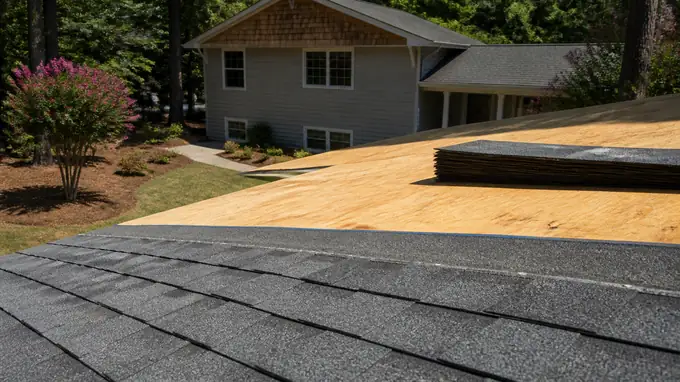
metal roof installation completed by a local contractor at a grey split-level home in Madison, WI, in clear late-morning sun.

Metal Roof Installation in Madison, WI

We install metal roofing on houses and commercial buildings in Madison. Standing seam, exposed fastener, metal shingle, low-slope panel for flat commercial roofs: we put on the system that fits the building, and we do the whole job ourselves, from tearing off the old roof to the last piece of flashing. The median home in Madison was built in 1979. A roof that age has usually been replaced at least once already, and the owner is deciding whether to do it again with asphalt or make this the last time. That is usually why people call us.

Leaks on a metal roof rarely start in the middle of a panel. They start at the flashing, at a vent or chimney, in a valley where water slows down, at a fastener that backed out. The difference between a metal roof that performs and one that fails early is the installation: how the panels are seamed, how the flashing is cut and lapped, how the underlayment runs at the eaves and edges. Those details are the part of the roof nobody sees once it is finished, and they are where we spend our time. If you own a house or a building in Madison or Middleton and are weighing metal, call us for a free estimate.

Call +1 608-594-7071

Licensed, Bonded, and Insured ยท A combined 15 years of experience

Request an Estimate

We warranty all of our work because we believe in what we do.

What Metal Roof Installation Involves

Image slot Roof Repair Near Me 680px · 16:9 · no image declared for this subject

Roof Repair Near Me

Most repair calls on a Madison roof come down to flashing, not shingles. Step flashing along a chimney or sidewall works loose, the rubber on a pipe boot splits, and water tracks under the deck from there. We lift the surrounding courses, fit new galvanized or aluminum flashing, and set proper counterflashing rather than a bead of caulk. On metal roofs we check fastener heads and replace worn gaskets. A small repair done right stops the leak.
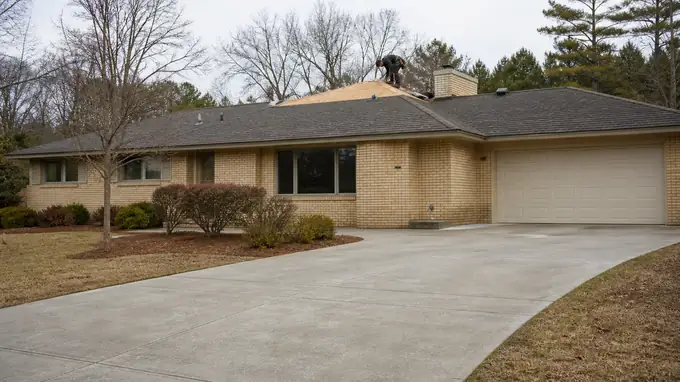
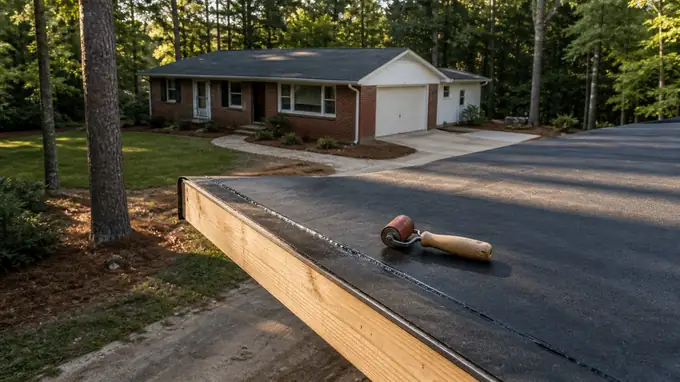
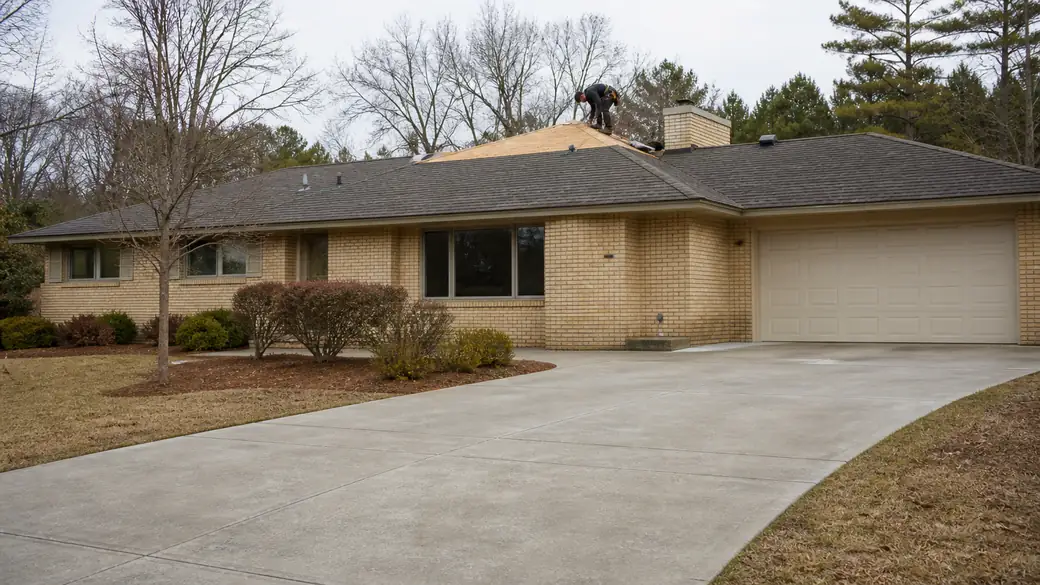
roof inspection completed by a local contractor at a red-brick ranch home in Madison, WI, in late afternoon light.

Roof Inspection

An inspection starts in the attic, where stains on the sheathing show where water has already been. Up top we check flashing, valleys, fasteners, ridge caps and how the decking feels underfoot. The median Madison home was built in 1979, so we look for a second shingle layer and soft plywood that would need replacing before any metal goes on. You get a plain report of what is sound and what is not.

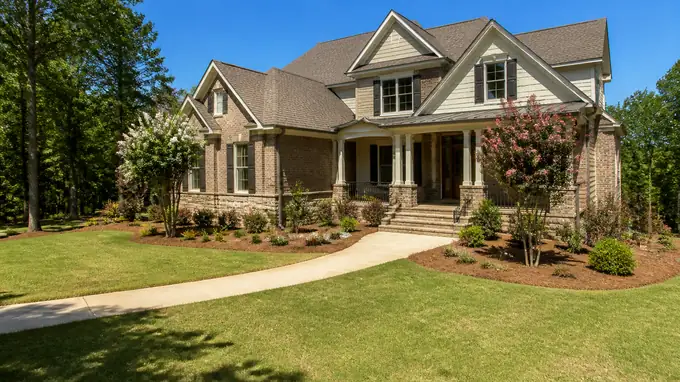
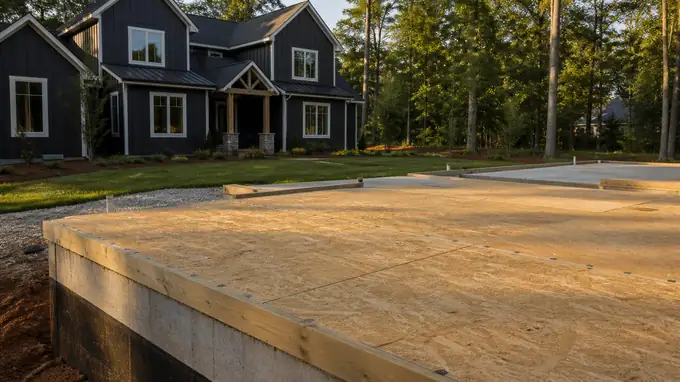
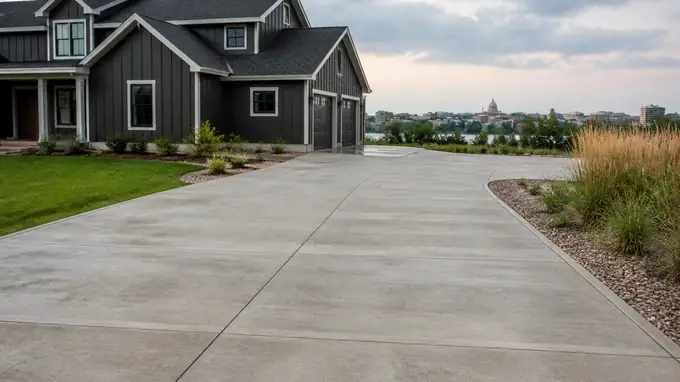
roof replacement completed by a local contractor at a charcoal farmhouse-modern home in Madison, WI, after a rain shower.

Roof Replacement

Replacement means tearing off to the deck, not layering over what is there. We strip the old shingles, replace rotted or delaminated sheathing, and run self-adhered underlayment at the eaves and valleys with synthetic underlayment over the rest. For metal, that is standing seam panels in painted steel with a Kynar finish, or exposed fastener panels where the design calls for it. The City of Madison is the permitting authority for this work, and we pull the permit.

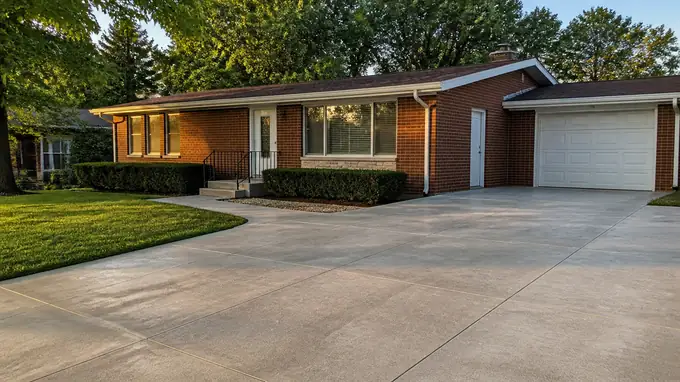
roof installation completed by a local contractor at a buff-brick ranch home in Madison, WI, under bright midday cloud.

Install Roofing

Installing a metal roof starts with a flat, dry deck and a straight starting line. Panels go on square to the eave, clipped or screwed at the manufacturer's spacing, with hemmed panel ends and a closed ridge to keep water and wind out. Trim, gable flashing and pipe boots are cut and formed on site to fit the roof, not the other way around. Install metal roofing this way and it outlasts the asphalt roof it replaced, in Middleton or anywhere else we work.

Roofing Projects We've Completed in Madison

Most of the metal roofs we install in Madison go on houses, and the median home here was built in 1979. That age shapes the job. Decking under an original asphalt roof often shows water damage somewhere, so the work usually starts with tearing off the old layers, replacing soft sheathing, and rebuilding the flashing at chimneys and sidewalls before any panel goes down. Standing seam is the usual pick for residential installation. On garages and additions we have also put down exposed fastener panels where the owner wanted a lower profile.

Commercial buildings make up the rest: low-slope and flat roofs where a metal roofing system replaces a worn membrane, and repair calls where the leaks trace back to failed flashing rather than the panels. Those jobs start with a structural look at what the building can carry and where the clips and fasteners need to land. We also take on maintenance for metal roofs other crews installed, tightening fasteners and resealing penetrations. A job in Fitchburg gets the same crew, materials and process as a house in Madison.

What Decides the Price of Metal Roof Installation

Two houses on the same block, same footprint, can come back with very different numbers for a metal roof. The panels are rarely the reason. What sits under them, what has to come off first, and how hard it is to get material onto the roof drive most of the price. Most of it you can check yourself before we walk the property. With the median home around Madison built in 1979, we usually find the roof deck tells us more about the job than the shingles on top of it.

What changes the priceWhich wayWhy
Layers of shingles already on the roofcosts moreTwo or three layers mean more tear-off labor, more disposal, and more hidden damage in the decking underneath.
Condition of the roof deckingcosts moreSoft plywood or rotted boards get replaced before any metal goes down. Panels need a solid, flat surface to fasten to.
Panel gauge and paint systemcosts moreThicker steel resists denting and holds its shape on long runs. Better coatings hold color longer. Both cost more per square.
Pitch and height of the roofcosts moreSteep or tall roofs slow the crew, need more staging and fall protection, and take longer to work safely.
Chimneys, vents, skylights and valleyscosts moreEvery penetration and valley needs custom flashing. A plain gable installs faster than a cut-up roofline.
Truck and dumpster accesscosts lessClose parking means panels go from trailer to roof in one move. Tight lots and long carries add hours.
Flat or low-slope sectionscosts moreLow pitch needs standing seam or a membrane transition, plus careful detailing where water leaves the roof.
Standing seam vs. exposed fastenercosts moreStanding seam hides the screws and takes more fabrication. Exposed fastener panels screw through the face and go on faster.

When you compare bids, line up the same items. Check whether each includes full tear-off or goes over the old shingles, what gauge and finish the panels are, whether decking repair is included or billed as it turns up, what underlayment goes down, and how flashing at every penetration is handled. Two bids that look far apart often stop looking that way once those details sit side by side.

Frequently Asked Questions About Metal Roof Installation in Madison

What happens to the cleaning water and debris?

We contain it. Before tear-off starts, tarps go over the landscaping and a dump trailer is parked as close to the roof edge as the driveway allows. Old shingles, nails and flashing go straight into it, and a magnet sweep of the yard follows at the end of every day. Rinse water drains where it always has, through the gutters, with downspouts kept clear so it does not pool against the foundation.

Are there any specific building codes in Madison, WI for installing wood shake roofs?

Yes. Wood shake goes in under the same adopted building code as every other roof in Madison, and it carries its own requirements: fire classification of the shakes, interlayment between courses, fastener type and length, and how far the shakes may overhang the eaves. Where a new roof goes over an old one, the code also limits how many layers can stay. We pull the permit and build to the inspector's checklist, not to habit.

How much energy can cool roofs save on commercial buildings?

That depends on the building more than the roof. A cool roof reflects sunlight instead of absorbing it, so a flat commercial roof with a light membrane or a reflective metal finish runs cooler in summer and the air conditioning under it works less. How much of that reaches the bill turns on insulation, how much of the building is roof, and how the space is used. A walk on the existing roofing system tells more than a brochure.

What types of skylights do you install?

Fixed, venting and tubular, in curb-mounted and deck-mounted styles. On a metal roof we set the curb and flashing at the same time as the panels, so the skylight is part of the roofing system rather than a hole cut in it afterward. Deck-mounted units sit low and suit a steep residential roof. Curb-mounted units are the standard on flat and low-slope commercial roofs. Water management at the flashing decides whether it leaks, so that is where our time goes.

Are architectural shingles worth the extra cost?

Yes, for most roofs. Architectural shingles are thicker and laminated, and they carry a higher wind rating than the flat single-layer shingle. They hide the small waves in the decking of an older house, which matters around Madison, where the median home was built in 1979. They also hold their granules longer before curling sets in. Where they are not worth it: a shed, a detached garage you plan to replace, or a house going on the market next spring.

What types of asphalt shingles perform best in a hot, sunny climate?

Shingles chosen for the roof, not the region. The shingle we put on a house in Middleton is picked for what that roof actually faces: its pitch, the shade over it, the ventilation in the attic, and whether the decking is solid. A well-ventilated attic does more for shingle life than any rating on the bundle. That is a question we answer standing on the roof, not from a chart. For a roof you intend to keep a long time, metal roofing installation belongs in the same conversation.

How a Metal Roof Installation Job Runs in Madison

An inspector walks a shingle roof checking for cracked and missing shingles. at a brick-and-siding two-story home in Madison, WI.

Step 1: Roof Inspection

We start on the roof, not in the driveway. That means walking every plane, checking flashing at chimneys and sidewalls, probing the decking for soft spots, and looking inside the attic for water staining and daylight. Metal roofing installation only performs as well as what sits under it. On a house built around 1979, which is the median here in Madison, the original deck often has a story to tell, and we want to read it before we quote anything.

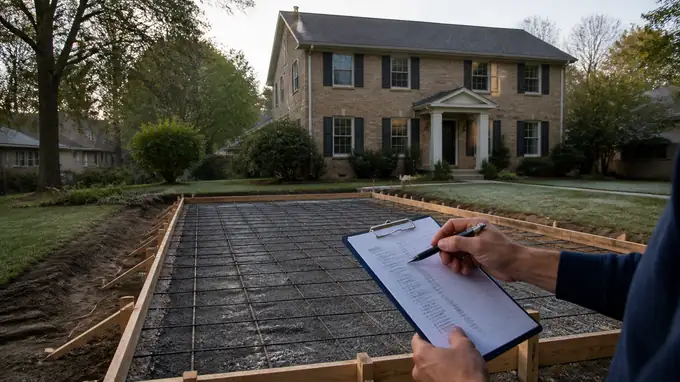
A contractor reviews a written roof replacement quote with a homeowner on the front porch. at a tan-brick colonial in Madison, WI, in early morning light.

Step 2: Written Estimate

Our estimate lists exactly what we found and exactly what we propose. Panel profile and gauge, fastener type, underlayment, flashing metal, trim details, and any deck repair we can already see. If a decision depends on what we uncover during tear-off, we say so in writing. You should be able to hand this document to another roofing contractor and have them understand the job. Vague estimates create arguments later. Specific ones prevent them.

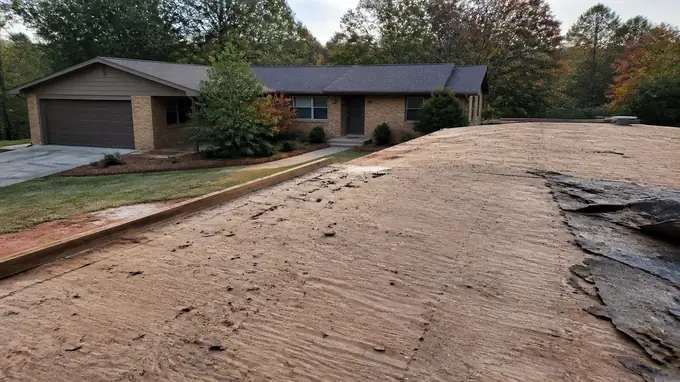
The stripped roof deck sits exposed after old shingles and felt are removed. at a buff-brick ranch home in Madison, WI, in early morning light.

Step 3: Removal of Old Materials

Tear-off comes down to the bare deck on nearly every job. We strip shingles, felt, old flashing, and any rusted vents or pipe boots. The one exception is a single sound layer of asphalt where an over-frame system makes sense, and we decide that during inspection, not on the day. Debris goes straight into a lined trailer or dumpster set on plywood to protect your driveway. Gutters get a check and a clearing.

A roofer fastens new OSB decking sheets with a staggered nailing pattern. at a charcoal farmhouse-modern home in Madison, WI, in late afternoon light.

Step 4: Deck Repair

Once the deck is exposed, we sound it out board by board. Rotted plywood or delaminated sheathing gets cut back to solid framing and replaced with matching thickness, usually 7/16 OSB or 1/2 inch CDX. Loose boards get refastened to the rafters. Where an older roof still has spaced plank decking, we may add a plywood layer so the panel clips have something solid to bite. This is where structural problems get fixed, not covered up.

A roofer seals overlapping underlayment seams along the eave edge. at a red-brick ranch home in Madison, WI, in late afternoon light.

Step 5: Underlayment Installation

Metal sheds water fast, so the layer beneath it has to handle what blows under a panel or backs up at a valley. We roll out a high-temperature synthetic underlayment across the entire deck, lapped and capped according to the manufacturer's spec, with self-adhered membrane at eaves, valleys, and every penetration. Drip edge and starter trim go on before the field. Skipping this step is the most common shortcut on cheap metal jobs.

A roofer nails asphalt shingles into place course by course. at a grey split-level home in Madison, WI, in clear late-morning sun.

Step 6: Roofing Installation

Panels go on next, and this is where the trade shows. Standing seam in 24 or 26 gauge steel, concealed clips, and factory Kynar finishes are our standard when we install metal roofing on a residential property. Exposed-fastener panels are used where they fit the building and budget. Each panel is squared to the eave, clipped at the layout spacing, and seamed or crimped so it can expand without buckling. Flashing is bent on site for every chimney, skylight, and wall.

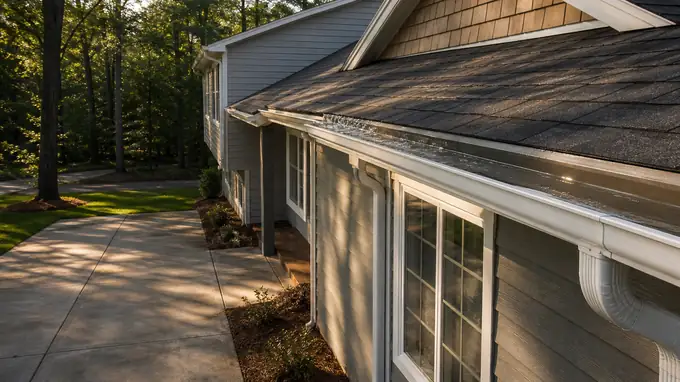
A roofer checks water flow through a newly reattached gutter after installation. at a grey split-level home in Madison, WI, in late afternoon light.

Step 7: Final Inspection

Before the ladders come down, we walk the roof one more time. We check seam engagement, fastener torque, sealant at end laps and around pipe boots, and the fit of ridge caps and closures. Then we go inside and look up from the attic again with the lights off. Any gap in the roofing system shows itself here. Everything gets photographed and reviewed with you so you can see what you paid for.

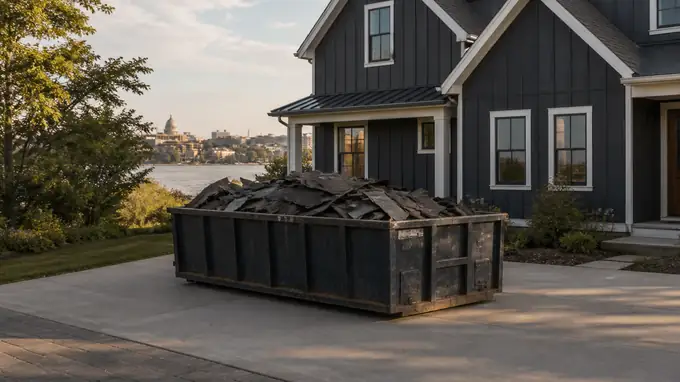
Workers load the last bundles of old shingle debris into a driveway dumpster. at a charcoal farmhouse-modern home in Madison, WI, in late afternoon light.

Step 8: Cleanup

Cleanup is part of the job, not a favor. We run a rolling magnet across the lawn, driveway, and flower beds to pull nails and clips, then do it a second time in a different direction. Scrap metal is sorted for recycling. Gutters are flushed of tear-off grit. The dumpster leaves the same day it is full. If we moved a grill or a patio chair to get a ladder in, it goes back where it started.

Get a Free Estimate

Request an Estimate

We warranty all of our work because we believe in what we do.

Tap to call +1 608-594-7071