+1 608-594-7071
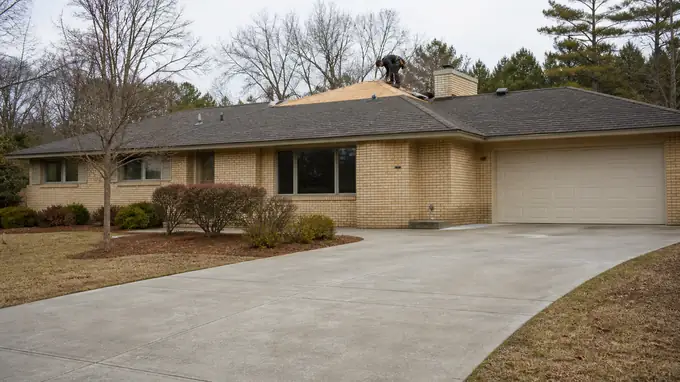
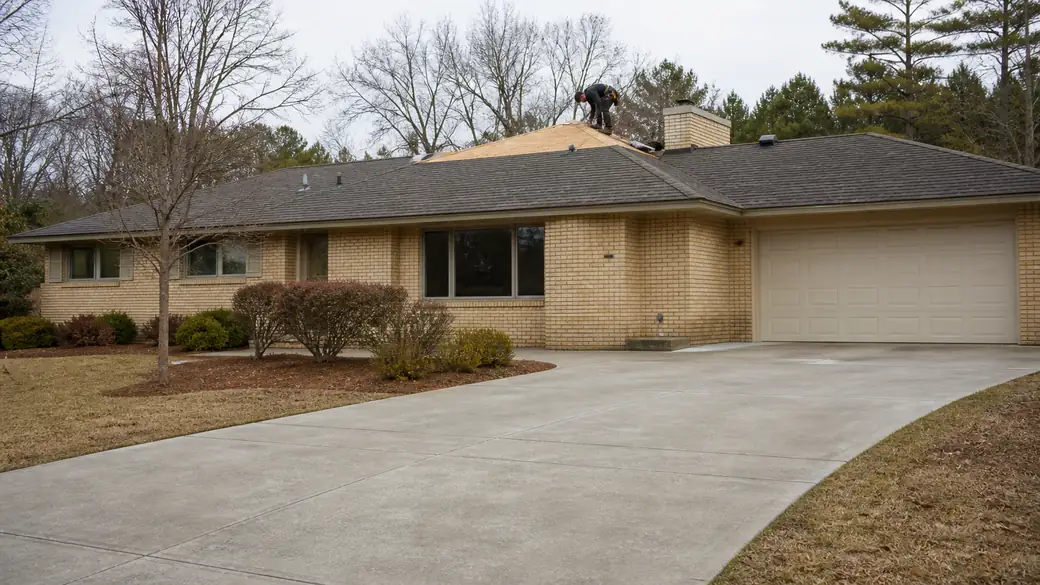
roof installation completed by a local contractor at a buff-brick ranch home in Madison, WI, under bright midday cloud.

Roof Installation in Evansville, Wisconsin

A new roof in Evansville has to handle about 36 inches of snow and 32 inches of rain a year, season after season. We install residential and commercial roofing systems built for that: shingle, metal and flat roofs, set on a deck we have inspected and repaired first. Materials matter. So does the flashing at every chimney, wall and vent, because that is where most leaks start.

Problems with a new roof usually trace back to shortcuts nobody noticed on installation day: nails driven high, underlayment skipped at the eaves, old vent boots reused to save an hour. We do not take them. Each layer goes on in the right order, and we handle the permit, so the job is right on paper too. If your roof is due for replacement, call for a free estimate.

Call +1 608-594-7071

Request an Estimate

What We Do in Evansville

Image slot Roof Repair Near Me 680px · 16:9 · no image declared for this subject

Roof Repair Near Me

Most roof leaks start at the flashing, not the shingles. Step flashing along a sidewall lifts, a pipe boot cracks after a few summers, or the sealant behind chimney counter-flashing dries out and lets water run under it. We trace the water to where it actually gets in, then repair that point with matching materials. Missing shingles, torn underlayment and soft decking get the same treatment: cut back to sound wood and rebuilt properly.
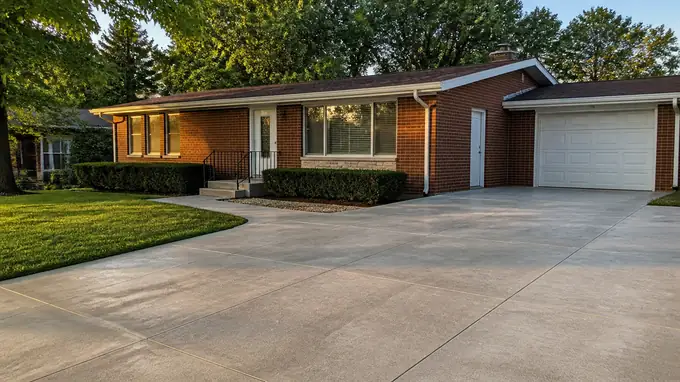
roof inspection completed by a local contractor at a red-brick ranch home in Madison, WI, in late afternoon light.

Roof Inspection

We walk the roof first, then the attic. On top we check for granule loss, nail pops, lifted tabs, cracked boots and every flashing detail at walls, valleys and chimneys. Underneath, we look for daylight at the decking, stained sheathing, frost on nail tips in winter and how well the ventilation is working. We photograph what we find and explain it plainly: what needs work now, what can wait, and what is fine.

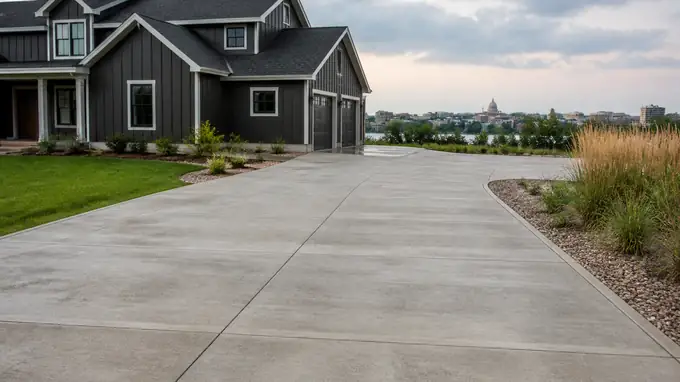
roof replacement completed by a local contractor at a charcoal farmhouse-modern home in Madison, WI, after a rain shower.

Roof Replacement

A tear-off takes the roof down to the deck, and that is where the real condition shows. Soft or delaminated sheathing comes out and gets replaced to match the existing thickness. Ice and water shield goes along the eaves and through the valleys, with synthetic underlayment over the rest. Drip edge, flashing, vents and pipe boots are all new. Reusing old flashing under new shingles is the most common reason a replacement fails early.

Install Roofing

New construction and additions start from bare framing, so every detail is ours from the beginning. We sheath the deck, set drip edge under the underlayment at the eaves and over it at the rakes, and lay out courses so the cuts land clean at valleys and ridges. Architectural asphalt shingles cover most residential work. Low-slope sections and flat commercial roofs get TPO or EPDM membrane over tapered insulation, with seams welded or fully adhered.

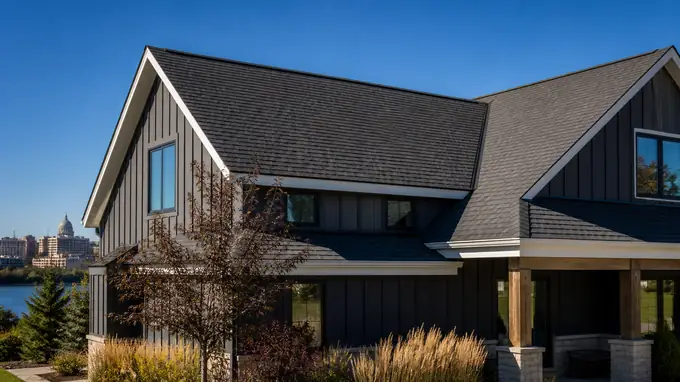
metal roof installation completed by a local contractor at a grey split-level home in Madison, WI, in clear late-morning sun.

Metal Roof Installation

Standing seam steel sheds snow well, which matters with about 36 inches of it a year. We install concealed-fastener panels with a PVDF finish over high-temperature underlayment, fixed with clips that let each panel move as it heats and cools. Exposed-fastener panels cost less up front. They also depend on rubber washers that harden and leak over time. Snow guards go above doors and walkways, because a metal roof tends to drop its snow all at once.

Why Evansville Chooses Madison Precision Roofing

We install every roof with the same crew from tear-off to the last ridge cap, so nobody hands your house to a stranger halfway through. Before we choose materials, we check the decking, the ventilation and every piece of flashing. A new roof on a tired structure only hides the problem. Around 36 inches of snow falls here in a typical year, and we build for that weight and the melt that follows.

Most leaks on newer roofs start at the details: a valley laid wrong, a chimney sealed with caulk instead of metal flashing, a vent boot nobody finished. Small things, and they decide how the whole roof performs. We take our time on them. Residential or commercial, pitched or flat, we tell you plainly what the building needs and what it does not. Then we do the work the way we said we would.

Choosing the Right Roofing System in Evansville

For most houses, asphalt shingles are the sensible choice. They install cleanly, repair easily, and handle about 36 inches of snow and 32 inches of rain a year without trouble, provided the flashing and ventilation beneath them are done right. Metal roofing is the other system we install often. It sheds snow readily and holds up for a long time, though it asks for more precision at every seam and edge. Flat and low-slope sections, on porches, additions and commercial buildings, take a membrane instead of shingles.

The right system depends on the building more than the brochure. We start with the pitch, the condition of the deck, and whether the structure can carry the weight of what you have in mind. Then we ask how long you plan to own the property. A roof you will live under for decades justifies different materials than one you will hand to a buyer before long. We lay out the options that suit the building and explain the tradeoffs plainly. You decide.

What Decides the Price of Roofing in Evansville

Most of a roofing price is set before the first shingle goes on. It comes from what sits under your current roof, how steep it is, and how easily a crew and a truck can reach it. You can check most of these yourself from the yard or the attic, which makes any estimate easier to read.

What changes the priceWhich wayWhy
Old layers stacked under the current roofcosts moreEvery layer is torn off and hauled away before we can see the deck, and each adds labor and disposal.
Soft, stained or sagging decking (look from the attic)costs moreRotted boards can't hold fasteners. We replace them before any new roofing goes down.
Steepness of the roofcosts more when steepA roof you can't walk calls for harnesses, roof jacks and slower, careful work.
Chimneys, skylights and vent pipescosts moreEach breaks through the roof and needs its own flashing, which is where most leaks start.
Valleys, dormers and changes in rooflinecosts moreEvery intersection is cut and flashed by hand, and water concentrates there.
Clear driveway access for a truck and dumpstercosts lessShort carries keep the job moving. Tight lots, overhead lines or fragile landscaping add time and protection.
Nearly flat porch or addition roofscosts moreLow-slope sections need a membrane system instead of shingles, with different materials and details.
Ice at the eaves and overflowing gutterscosts moreWith about 36" of snow a year, eaves get an ice and water barrier, and problem edges get more of it.

When you set competing bids side by side, look for whether the old roof comes off, how damaged decking is priced, and which flashing is replaced rather than reused. A low bid often stays low only because it leaves those questions open.

Evansville Questions

What is the lifespan of architectural shingles on commercial buildings?

It depends less on the shingle than on the roof under it. Architectural shingles only belong on the steep-slope parts of a commercial building, such as an office front or a mansard, never on the flat sections. How long they last comes down to ventilation, pitch, flashing detail and how carefully the installation was done. We look at all of that before recommending them for any Evansville property.

Can you install green roofs on existing commercial buildings, or only new construction?

Yes, existing buildings can take them, but the building decides. A green roof adds soil, plants and held water, and that weight sits on a structure that was never designed for it. So the first job is a structural review of the deck and framing. If it carries the load, we add the membrane, root barrier and drainage layers over it. If it doesn't, reinforcement comes first.

Will emergency repairs be covered by my homeowners insurance?

No, not automatically. Coverage depends on your policy and on what caused the damage: a limb through the roof after a storm is often treated differently from a leak that has been growing for years. Your insurer makes that call, not us. What we can do is photograph the damage, write up what we found and what the repair involved, and hand you records that support the claim.

How does the warranty work for repairs done on storm-damaged roofs?

Two things are in play: whatever coverage came with the original roof, and the terms on the repair itself. Patching a storm-damaged section with the wrong materials can affect coverage the manufacturer already gave you, so we match the existing system where we can and note it plainly where we can't. Whatever applies to the repair belongs in writing on the estimate. If it isn't there, ask.

Can you handle emergency repairs on both residential and commercial properties?

Yes. Storm damage doesn't care what kind of building it lands on, and the order of work is the same: stop the water first, then fix it properly. On a house that usually means tarping, replacing torn shingles and resealing flashing. On a flat commercial roof it means finding the breach in the membrane, drying what got wet and patching with compatible materials. Call and tell us what you're seeing.

Why are gutters important for commercial buildings?

A commercial roof sheds water off a large surface, and here that means about 32 inches of rain and 36 inches of snow a year to move somewhere. Without working gutters, that water runs down walls, pools at entrances and soaks toward the foundation. Clogged or undersized gutters also push water back under the roof edge, where it turns into leaks and rot. On an Evansville building, regular maintenance keeps all of that where it belongs.

What to Expect on a Evansville Roofing Job

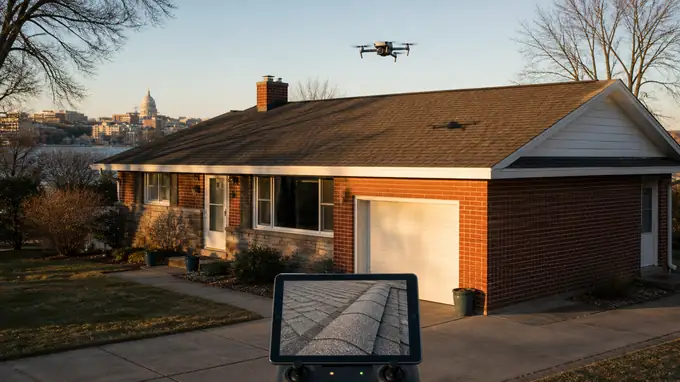
A drone hovers over a steep roof to photograph areas too high to reach by ladder. at a red-brick ranch home in Madison, WI, in late afternoon light.

Step 1: Roof Inspection

We start on the roof itself, not from the driveway. We walk the field, check the flashing at chimneys, walls and vents, and look for granule loss, cracked or lifted shingles, and soft spots underfoot. Then we go into the attic to look for water stains, daylight showing through the deck, and signs of poor ventilation. What we find decides whether the roof needs repairs or a full replacement, and we tell you which.

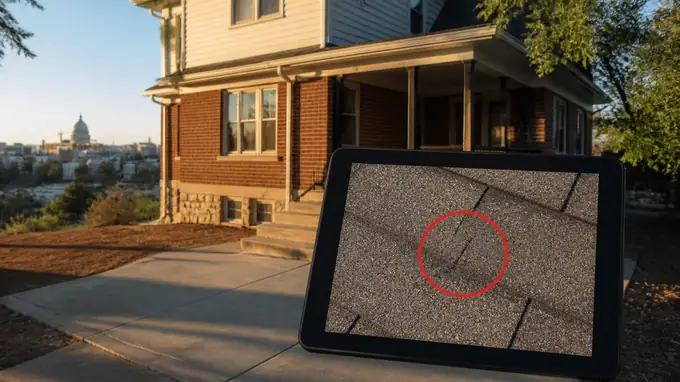
A roofer scrolls through inspection photos on a tablet while preparing the homeowner's estimate. at a brick-and-siding two-story home in Madison, WI.

Step 2: Written Estimate

Everything goes on paper before any work is agreed. The estimate names the shingle or metal panel, the underlayment, the flashing we will replace rather than reuse, and how we handle ventilation. It also spells out how we deal with rotten decking if we find it once the old roof is off, so nothing comes as a surprise mid-job. Optional items are marked as optional. You read it, ask what you like, and decide.

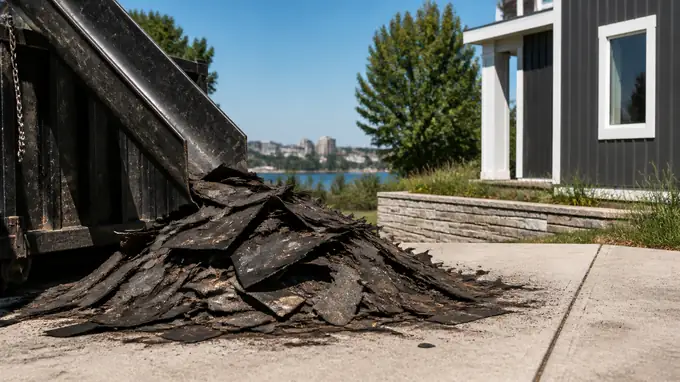
Workers tear off old shingles and toss them down a debris chute. at a charcoal farmhouse-modern home in Madison, WI, in clear late-morning sun.

Step 3: Removal of Old Materials

Tear-off goes all the way down to the bare deck. We strip the shingles, old felt, rusted drip edge and tired flashing, because laying new roofing over old layers hides damage and shortens the life of the new roof. Before the first shingle comes off, we protect the property: tarps over plantings and siding, boards leaned against the walls where debris falls, and a dumpster or trailer set as close to the house as it can go.

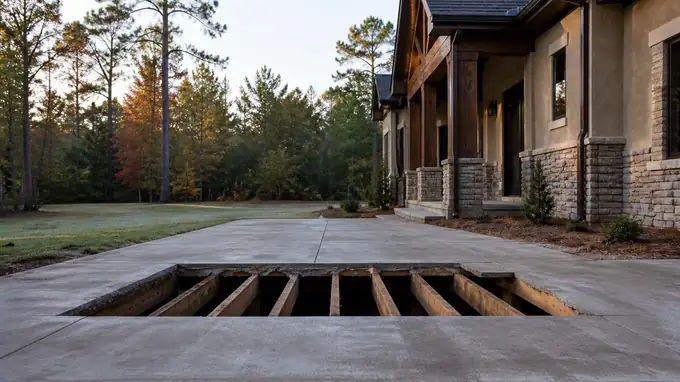
A roofer checks exposed roof rafters for daylight gaps before sheathing goes back down. at a painted-white-brick two-story home in Madison, WI.

Step 4: Deck Repair

Bare decking shows what the old roof was hiding. We walk every sheet, pushing on soft spots and looking for delamination, rot around penetrations, and nails that never found a rafter. Damaged plywood or OSB is cut back to solid framing and replaced with sheathing of the same thickness, so the new roof lies flat. Loose boards get renailed. If the rafters themselves show structural damage, we stop and show you before going any further.

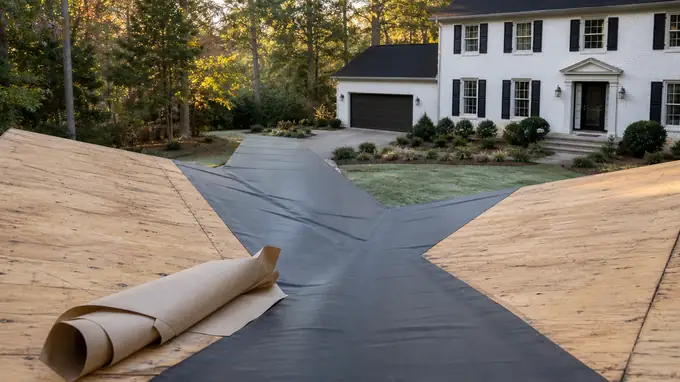
A roofer installs ice-and-water shield in a roof valley before the main underlayment. at a painted-white-brick two-story home in Madison, WI.

Step 5: Underlayment Installation

A roof here carries about 36 inches of snow in an average year, so the eaves get self-adhering ice-and-water shield first, run up past the warm wall line. Valleys and the areas around chimneys and skylights get the same membrane. The rest of the deck is covered in synthetic underlayment, lapped and fastened to the manufacturer's spec. Drip edge goes under it at the eaves and over it at the rakes. That order keeps wind-driven water off the wood.

A roofer fits new flashing around a roof vent during shingle installation. at a brick-and-siding two-story home in Madison, WI, in late afternoon light.

Step 6: Roofing Installation

Shingles go on in straight courses from the eaves up, beginning with a starter strip so the first row seals down properly. Every nail lands on the line the manufacturer marks, because a nail driven high is a common reason shingles blow off. New step flashing is woven in course by course at every wall, and pipe boots are replaced, not reused. On metal or flat roofs, the same attention goes into seams, fasteners and edge details.

A contractor and homeowner walk the yard for a final look at the completed roof. at a charcoal farmhouse-modern home in Madison, WI.

Step 7: Final Inspection

A walk of the finished roof comes before we call it done. We check that every shingle has sealed flat, that flashing sits tight at walls and chimneys, that no nail heads are left exposed, and that vents and pipe boots are seated properly. Gutters get checked for loose fasteners and any damage from the tear-off. Then we go over it with you, from the ground or the attic, and point out what was replaced and why.

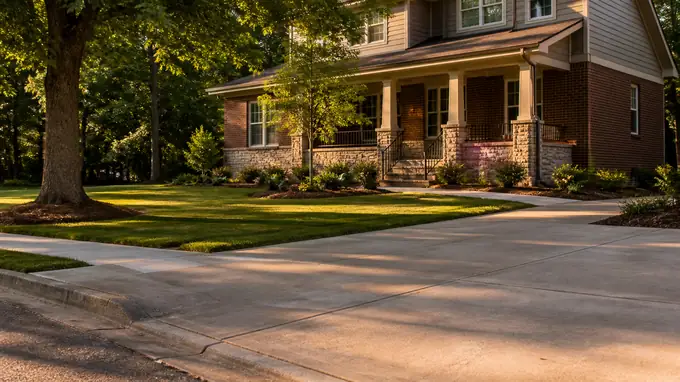
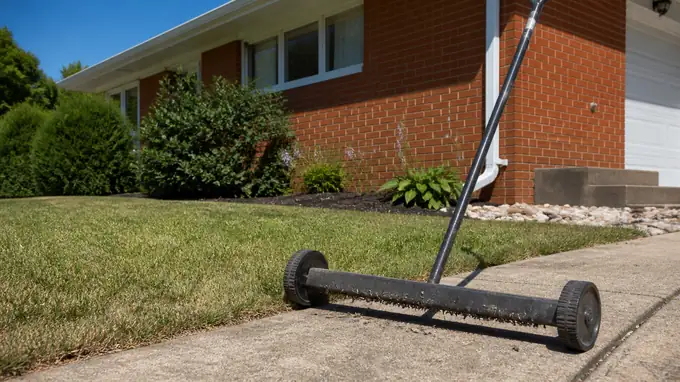
A worker pushes a magnetic sweeper across the lawn to collect stray nails. at a red-brick ranch home in Madison, WI, in clear late-morning sun.

Step 8: Cleanup

Nails are the part of cleanup people notice, so we run magnetic sweepers across the lawn, beds, driveway and street, then go over it all a second time. Tarps come up, and the dumpster or trailer leaves with the old roofing in it. Gutters are cleared of shingle grit. We check flower beds and window wells by hand. The job is finished when the yard looks the way it did before we arrived, not when the last shingle goes down.

Get a Free Estimate

Request an Estimate

Tap to call +1 608-594-7071