+1 608-594-7071
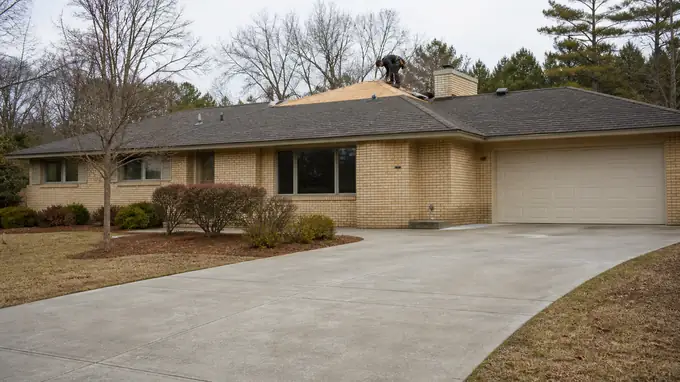
A finished roof photographed from across the yard, showing uniform shingle rows and clean flashing from ridge to eaves. at a tan-brick colonial in Madison, WI.

Gutter Guard Installation in Madison, WI

A gutter guard sits over the open top of your gutter and lets water in while keeping leaves, seeds and shingle grit out. Done right, it means fewer ladder trips, fewer overflows at the corners, and less water spilling against the fascia and foundation. We fit guards to the gutters you already have when they are sound, and we tell you plainly when they are not.

Madison sees about 32 inches of rain and 36 inches of snow in an average year, and most of it leaves the roof by way of the gutters. The median home here was built in 1979, so plenty of gutter runs, hangers and roof-edge flashing have been working for decades. We look at all of it before anything gets covered. Call for a free estimate.

Call +1 608-594-7071

Request an Estimate

What Gutter Guard Installation Involves

Image slot Roof Repair Near Me 680px · 16:9 · no image declared for this subject

Roof Repair Near Me

Most roof leaks start at the flashing, not the shingles. Step flashing pulls away from a sidewall, the rubber collar on a pipe boot cracks, or an overflowing gutter lets ice back up under the first course. Water also travels along the deck before it shows on a ceiling, so we trace it to the real entry point first. Then we repair what failed with matching materials, so the fix ties into the roof around it.
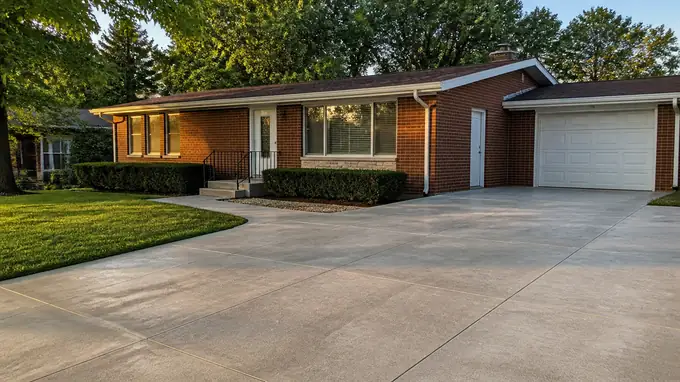
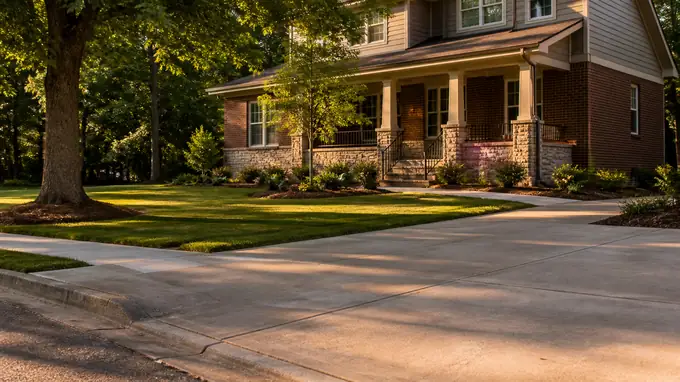
roof inspection completed by a local contractor at a red-brick ranch home in Madison, WI, in late afternoon light.

Roof Inspection

We walk the whole roof, then go into the attic below it. Up top we look for granule loss, creased or lifted shingles, cracked sealant around vents and soft spots in the deck underfoot. Inside, we check for daylight at the nail line, dark stains on the sheathing and rusted nail tips, all signs of trapped moisture. With around 36 inches of snow a year, the eaves get a close look too, since that is where meltwater refreezes.

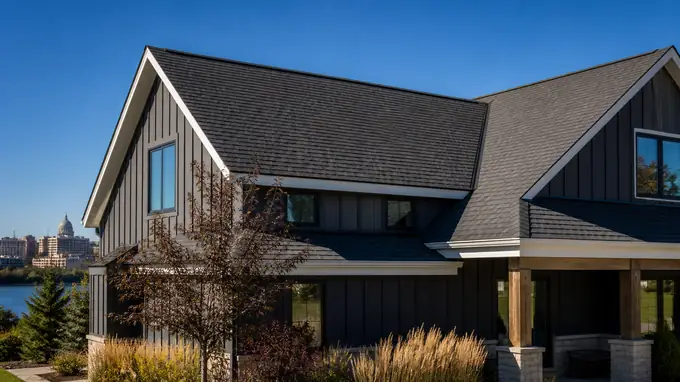
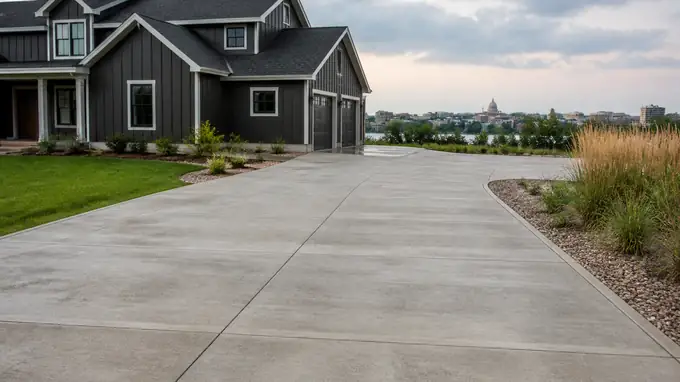
roof replacement completed by a local contractor at a charcoal farmhouse-modern home in Madison, WI, after a rain shower.

Roof Replacement

A replacement starts with a full tear-off to the deck. The median home here was built in 1979, so the sheathing underneath has had decades of attic heat and moisture; we walk every sheet and replace any that flex or show rot. Then comes ice and water shield at the eaves and valleys, synthetic underlayment over the rest, new drip edge and new flashing throughout. Reusing old flashing under new shingles is where many replacements go wrong.

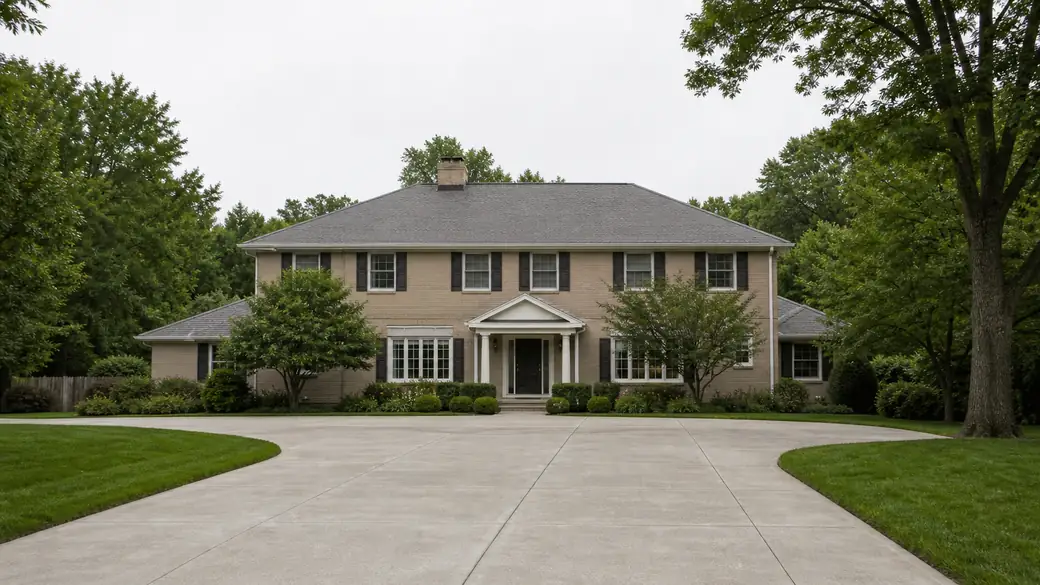
roof installation completed by a local contractor at a buff-brick ranch home in Madison, WI, under bright midday cloud.

Install Roofing

New roofing on an addition, garage or new build gets the same layered system as a replacement, minus the tear-off. Architectural shingles go down hand-nailed on the manufacturer's nail line, since high nailing is a common cause of blow-offs. For metal, we run standing seam steel panels on concealed clips so the panels can expand and contract without working fasteners loose. Flat sections get a fully adhered membrane. At the eaves, drip edge is set to shed water squarely into the gutter.

Our Warranty and Guarantee

Ask about coverage before you ask about anything else. A gutter guard warranty is only worth what it names: the guard itself, the fasteners holding it, and whether the gutter underneath counts. Read for exclusions around ice and snow load, since this area sees about 36 inches of snow a year and guards carry that weight.

Call for a free estimate and bring these questions with you. Ask what the materials are rated for, who covers the installation if a guard lifts or a seam leaks, and how water damage behind a failed guard is handled. Get every answer in writing, from us or from anyone else you are comparing. Plain terms protect your property better than broad ones.

Roofing Systems and Materials for Madison

A gutter guard is only as good as the roof edge it attaches to. The median home around Madison was built in 1979, and at that age the drip edge, fascia and flashing may have been repaired on a different schedule than the shingles. So we check where the roofing meets the gutter first, and fix any damage before a guard goes on.

Each roof type takes its own guard. On asphalt shingles, it tucks under the first course without breaking the seal. On metal, we fasten to the gutter lip and leave the panels alone. Flat sections get a screen sized for the water they carry. With about 32 inches of rain and 36 inches of snow a year, the guard has to shed both.

How Much Does Gutter Guard Installation Cost in Madison?

Most of what sets the price of gutter guards is already on your house: the gutters themselves, the wood behind them, and how high they sit. We price from what we find at the roof edge, not from a photo. With the median home here built in 1979, plenty of the gutter runs we see have been patched or rehung at least once, and that shows up in the estimate.

What changes the priceWhich wayWhy
Gutters that sag, pull away, or hold standing watercosts moreA guard sits on the gutter. A run that is out of pitch gets rehung or replaced first, or the guard just locks the problem in.
Soft or rotted fascia boardcosts moreHangers need solid wood to bite into. Bad sections come out and get replaced before anything is fastened.
Upper-story eaves or a steep roof pitchcosts moreHigher, steeper edges mean more ladder work, roof anchors, and a slower installation.
Old screens, failed guards, or packed debriscosts moreAll of it comes out and the gutters get flushed before new guards go on.
Many inside and outside cornerscosts moreEvery corner is cut and fitted by hand. Long straight runs go quickly.
Metal roofing or no drip edge at the eavecosts moreSome guards tuck under the first course of shingles. Metal or a bare edge calls for a different mount and extra flashing work.
Fine micro-mesh instead of a perforated covercosts moreMesh keeps out smaller debris but takes more material and more careful fitting.
Sound gutters that already drain freelycosts lessWe check the pitch, clean, and fasten guards straight on.

When you compare bids, make sure each one prices the same guard type, the same total length, and the same number of corners. Check whether gutter repair and fascia replacement are included or left out. Ask how each installer attaches the guard (under the shingles, to the fascia, or to the gutter lip), because that decides how it holds up under snow.

Frequently Asked Questions About Gutter Guard Installation in Madison

What is the best gutter guard system for my home?

It depends on what lands on your roof and what shape your gutters are in. Stainless micro-mesh stops almost everything, including shingle grit and seed pods. Reverse-curve hoods handle big leaves well but need the right roof pitch to work. Foam inserts and plastic screens go in quickly and wear out quickly. Plenty of Madison homes date from around 1979, so we check the gutters themselves first. A guard on a sagging run only hides the problem.

Who are the best gutter guard installers near me?

Look for the crew that gets on a ladder before naming a product. A good installer checks the pitch of every run, the fascia behind it, and where water goes once it leaves the downspout. They should be able to tell you plainly why one guard suits your roof and another doesn't. That is how we work at Madison Precision Roofing, and you are welcome to put every one of those questions to us.

How do you ensure the quality and durability of your gutter guard products?

Most of it comes down to what the guard is fastened to. We check hangers and fascia first and replace rotted wood before anything goes on, because a guard is only as solid as the board behind it. We use corrosion-resistant fasteners, set each guard without breaking the seal on the shingles, and keep the gutter pitched toward its outlet. Then we run a hose through every section and watch where the water goes.

What warranty or guarantees do you offer on your gutter guard installations?

Coverage belongs on paper before anyone climbs a ladder, not agreed on a handshake. Ask us what applies to your job, and don't sign anything until the terms are written down where you can read them. The same goes for the guard itself: find out what the maker covers and what voids it. Some products lose their coverage if shingles are lifted or nailed through during installation, which is one more reason we do neither.

Which gutter guard type is best for heavy debris or nearby trees?

Fine stainless micro-mesh, in most cases. Pine needles and maple seeds slip through coarse screens and wedge into the lips of hood-style guards, while a tight mesh keeps them sitting on top where wind and rain can clear them. Under heavy tree cover we also look at gutter size and downspout count, since no guard fixes a gutter that was undersized to begin with. Mesh still needs an occasional brush-off. Short.

How do you measure snow load capacity?

We don't treat it as one number on a spec sheet. Madison sees about 36 inches of snow a year, and what matters is what that snow does on your particular roof: how steep the pitch is, whether it lets go in sheets, and where it lands. We look at hanger spacing, the condition of the fascia, and how the gutter is fastened, then choose a guard stiff enough to shed snow rather than fold under it.

How a Gutter Guard Installation Job Runs in Madison

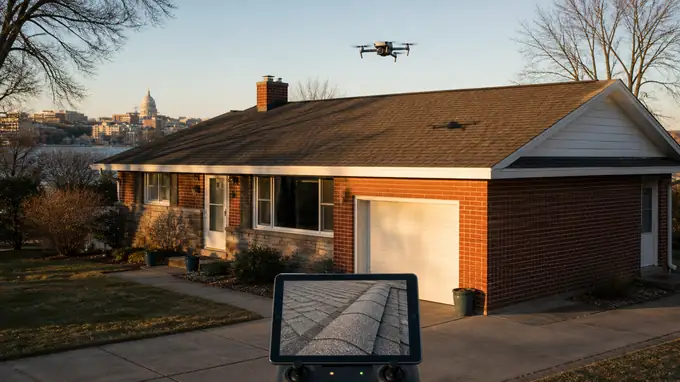
A drone hovers over a steep roof to photograph areas too high to reach by ladder. at a red-brick ranch home in Madison, WI, in late afternoon light.

Step 1: Roof Inspection

We start on the ladder, not the driveway. We check the lowest shingle courses, the drip edge, the fascia board and every gutter hanger, because a guard is only as good as the edge it sits on. Soft fascia, loose spikes and gutters pitched the wrong way all show up here. We photograph what we find, so you see the same roof edge we saw.

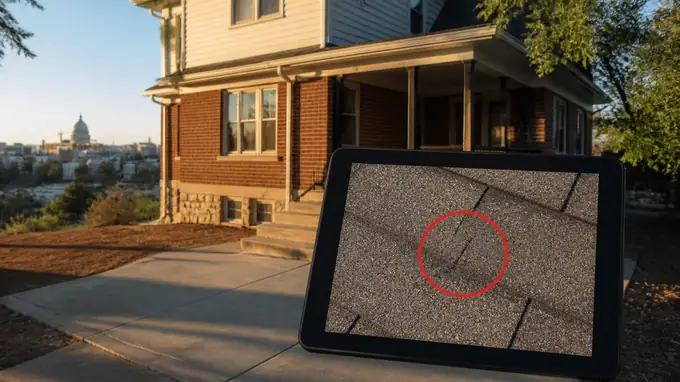
A roofer scrolls through inspection photos on a tablet while preparing the homeowner's estimate. at a brick-and-siding two-story home in Madison, WI.

Step 2: Written Estimate

The estimate lists every run of gutter by length, the guard we recommend and any repair the inspection turned up, each on its own line. For most homes that means stainless micro-mesh on an aluminum frame, screwed to the gutter lip. Snap-in plastic screens go on faster, but they warp and pop loose under about 36 inches of snow a year. If a gutter is too far gone to carry a guard, the estimate says so.

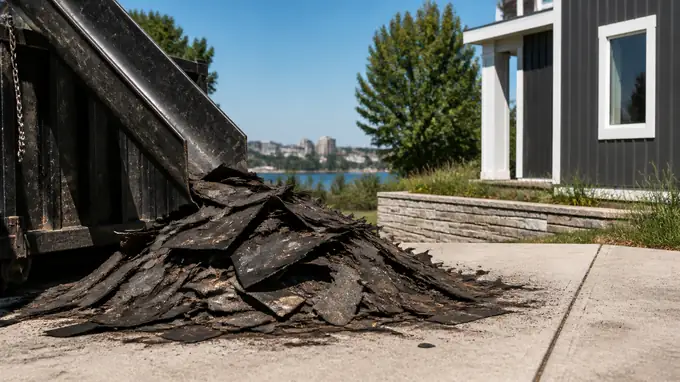
Workers tear off old shingles and toss them down a debris chute. at a charcoal farmhouse-modern home in Madison, WI, in clear late-morning sun.

Step 3: Removal of Old Materials

Old guards come off first, along with whatever is packed underneath them: shingle grit, maple seeds, roofing nails from past repairs. We pull failing spike-and-ferrule hangers and replace them with hidden hangers screwed into the rafter tails. Seams that drip get scraped to bare aluminum and resealed. Downspouts are flushed and checked at the elbows, where most clogs actually sit.

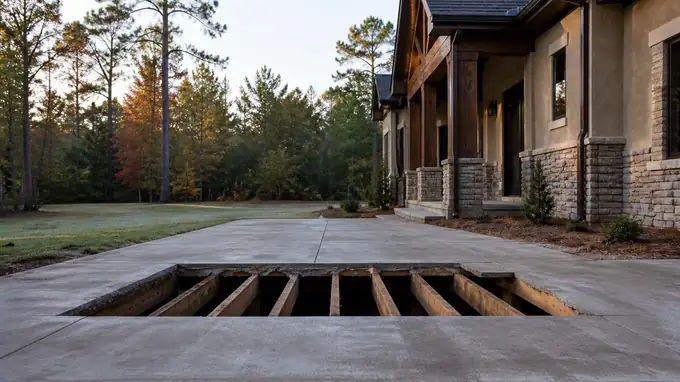
A roofer checks exposed roof rafters for daylight gaps before sheathing goes back down. at a painted-white-brick two-story home in Madison, WI.

Step 4: Deck Repair

Years of overflow leave their mark at the eave. With the median home in Madison built in 1979, plenty of the roofs we open up have edge decking that has gone soft or delaminated. We cut damaged plywood or plank back to sound wood, sister any rotted rafter tail, and replace bad fascia with primed lumber or wrap it in aluminum coil. A guard screwed into punky wood simply pulls out.

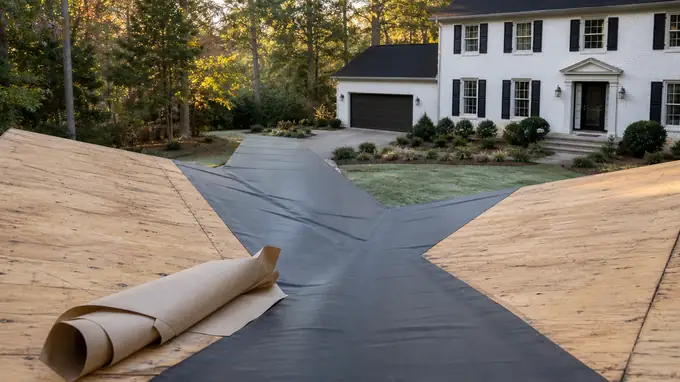
A roofer installs ice-and-water shield in a roof valley before the main underlayment. at a painted-white-brick two-story home in Madison, WI.

Step 5: Underlayment Installation

Before any guard goes on, the eave has to shed water on its own. We lay self-adhering ice-and-water membrane along the edge and over the repaired decking, then set new drip edge so it laps into the gutter instead of behind it. Water running behind a gutter rots fascia and streaks siding. That is the leak most homeowners blame on the guard, and it is really a flashing problem.

A roofer fits new flashing around a roof vent during shingle installation. at a brick-and-siding two-story home in Madison, WI, in late afternoon light.

Step 6: Roofing Installation

Here the roofing and the guard become one system. We reset or replace the lowest shingle courses, seal the tabs down so wind cannot lift them, and slide the guard's back edge under the shingle rather than nailing through it. A nail through the roof field is a leak waiting to happen. The front edge screws to the gutter lip, and every hanger gets a final tightening.

A contractor and homeowner walk the yard for a final look at the completed roof. at a charcoal farmhouse-modern home in Madison, WI.

Step 7: Final Inspection

We run a hose down every valley and inside corner, because that is where heavy water overshoots a guard or pools behind it. Downspouts should run full and clear. We check gutter pitch with a level, confirm every screw is seated, and look at the flashing where a gutter meets a wall. Anything we are not happy with gets fixed before the ladder comes down.

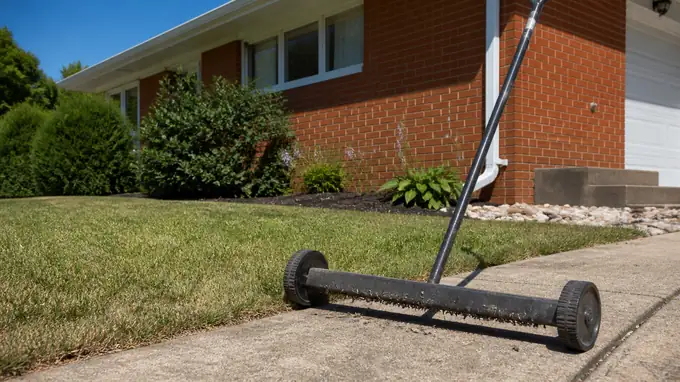
A worker pushes a magnetic sweeper across the lawn to collect stray nails. at a red-brick ranch home in Madison, WI, in clear late-morning sun.

Step 8: Cleanup

Old gutter sections, bent hangers, cut mesh and shingle scraps go into our trailer, not your recycling bin. We run a magnetic sweeper over the lawn, beds and driveway for stray nails and screws, then rinse grit off the siding and windows below the eave. Last, we walk the property with you, show you what was repaired and point out anything worth keeping an eye on.

Get a Free Estimate

Request an Estimate

Tap to call +1 608-594-7071