+1 608-594-7071
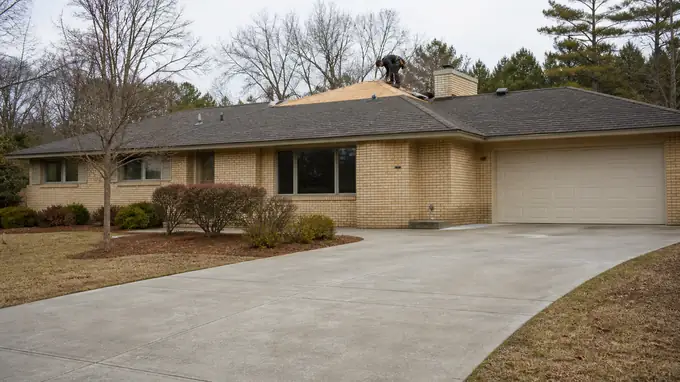
A finished roof photographed from across the yard, showing uniform shingle rows and clean flashing from ridge to eaves. at a tan-brick colonial in Madison, WI.

Roof Repair Near Me in Madison, WI

Most roof repairs are small. A few lifted shingles, a cracked pipe boot, flashing pulled away from a chimney: caught early, each one stays a small job. Left alone, each one lets water into the building. We take on repair work across Madison, from a single missing shingle to a leak that has already stained a ceiling, on residential roofs and flat commercial ones, and no job is too small to call about.

The median home here was built in 1979. On a house that age, the leak rarely starts where the stain shows up. Water gets in at a seam or a nail hole, runs along the decking, and drips somewhere else entirely. We trace it back to where it starts before we touch anything, because a patch over the wrong spot will not hold up to about 36 inches of snow and 32 inches of rain a year.

Call +1 608-594-7071

Request an Estimate

What Roof Repair Near Me Involves

Image slot Roof Repair Near Me 680px · 16:9 · no image declared for this subject

Roof Repair Near Me

Most leaks we trace start at the flashing, not the shingles. Step flashing along a sidewall lifts, chimney counter-flashing loses its sealant, or the rubber collar on a pipe boot cracks and sends water down the vent stack. We replace the failed piece, weave new shingles into the existing courses, and seal every nail we expose. Small roof repairs like these are worth doing early. Left alone, the decking underneath softens and the job grows.
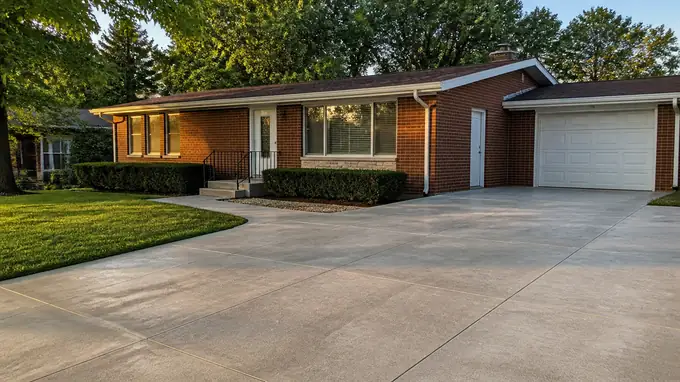
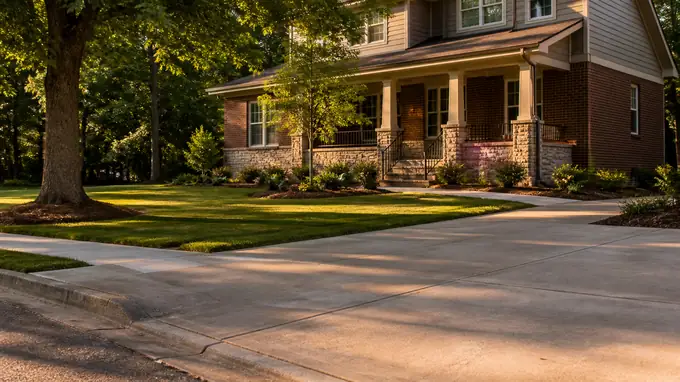
roof inspection completed by a local contractor at a red-brick ranch home in Madison, WI, in late afternoon light.

Roof Inspection

The attic tells us more than the shingles do, so that is where we finish. Daylight at the nail line, dark rings on the sheathing, or frost on nail tips in winter all point to something specific. Outside, we look for granules collected in the gutters, cracked sealant at penetrations, soft spots underfoot and worn valleys. With the median Madison home built in 1979, we also count the layers already on the deck. That count often decides between repair and tear-off.

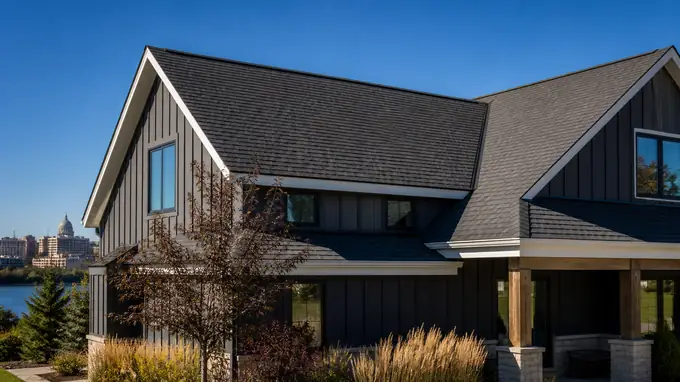
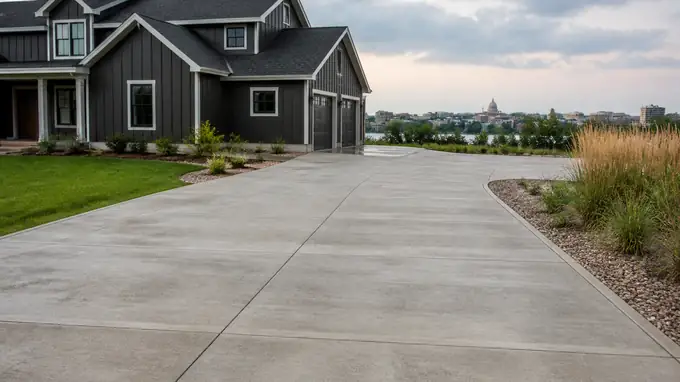
roof replacement completed by a local contractor at a charcoal farmhouse-modern home in Madison, WI, after a rain shower.

Roof Replacement

Replacement means a full tear-off down to bare deck. Every old layer comes off, and any sheathing that has delaminated or rotted gets cut out and replaced. With about 36 inches of snow a year, we run ice and water shield along the eaves and through the valleys, then synthetic underlayment over the rest. Drip edge, vents and wall flashing are all new. Reusing tired flashing under fresh shingles is how a new roof starts leaking early.

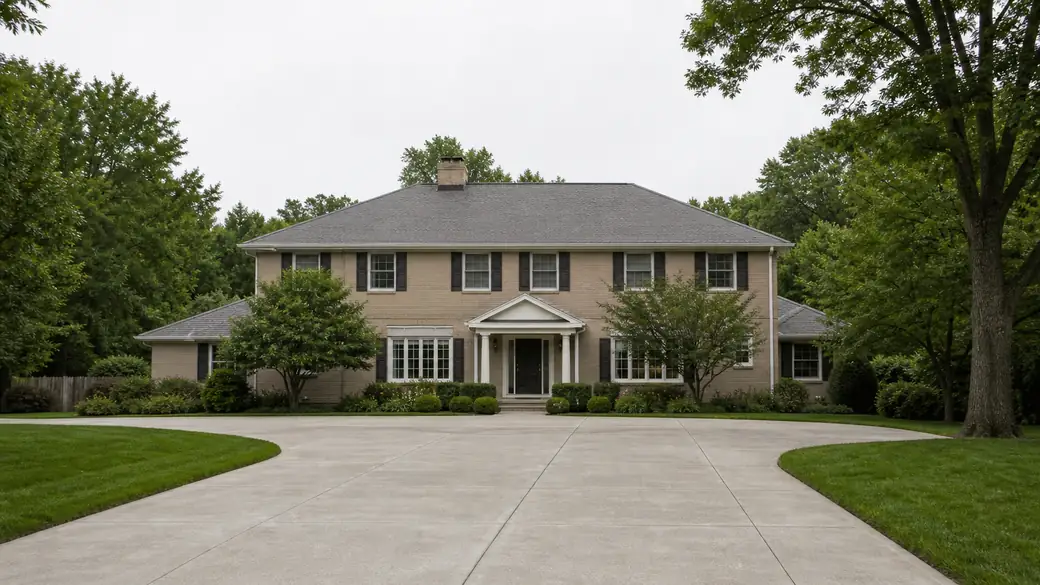
roof installation completed by a local contractor at a buff-brick ranch home in Madison, WI, under bright midday cloud.

Install Roofing

New roofing installation covers more than whole houses: garages, additions, dormers and the flat section over a porch. On pitched roofs we lay architectural asphalt shingles, each one fastened on the manufacturer's nail line over synthetic underlayment. Shallow and flat areas get a fully adhered EPDM or TPO membrane, turned up the wall and tucked under counter-flashing, because shingles cannot shed water at that pitch. Standing seam metal suits either. We handle the permit.

Our Warranty and Guarantee

A repair should outlast the weather that caused it. We trace a leak to where water actually gets in, which is often a few feet uphill of the stain on your ceiling. Then we fix that spot with materials matched to the roof on the house, so the new flashing or shingles sit and shed water the way the old ones did.

Before we leave, you see what we found and what we did, in photos and plain words. We tell you straight if a small roof repair is buying a few seasons on a roof near the end of its life. With about 36 inches of snow a year here, that is worth knowing before the next winter, not after.

Roofing Systems and Materials for Madison

We repair asphalt shingle roofs, standing-seam and screwed-panel metal, and the flat membrane roofs that cover porches, additions and commercial buildings. Each one sheds water its own way, so each one fails in its own places. Shingles lift and crack. Metal loosens at the fasteners and seams. Flat roofs leak at the edges, at the drains and wherever a pipe comes through.

For a repair, we match what is already on the roof: the same shingle profile where we can find it, the same metal gauge, a membrane that bonds to the one in place. Madison gets about 36 inches of snow a year, so we watch eaves and valleys closely, since that is where meltwater backs up. With the median home here built in 1979, we also check the flashing around each repair, not just the spot that leaked.

How Much Does Roof Repair Near Me Cost in Madison?

We price a repair after we have been on the roof and in the attic, because the cost sits in details you can see from both places. A small leak over a bath fan and a slow leak at a chimney can look the same from the ceiling below. They are not the same job. Most of what moves the number is something you can check on your own property before anyone climbs a ladder.

What changes the priceWhich wayWhy
Layers of shingles already on the roofcosts more with each layerEvery layer has to come off before we can reach the deck, and the tear-off and disposal add labor and weight.
Soft spots or dark stains on the decking, seen from the atticcosts moreDamaged sheathing has to be cut out and replaced before new materials go down, or the repair will not hold.
Pitch of the roofcosts more when steepA roof you cannot walk comfortably needs harnesses, roof jacks and slower, more careful work.
How close a truck can park to the housecosts more when farA long carry across the yard, a tight driveway or overhead lines means more hands moving materials and debris.
Chimneys, skylights and walls that meet the roofcosts more with each oneFlashing at these points is fitted by hand, and old flashing often has to come out rather than be patched over.
Flat or low-slope sections where water sitscosts moreStanding water points to a drainage problem that a patch alone will not fix.
Gutters and downspouts that overflowcosts more when they need workWater backing up at the eaves damages the roof edge, and repairing it without fixing the drainage brings the leak back.

When bids come in far apart, compare the scope before the total. Check whether each one says how many layers come off, how damaged decking is handled, whether flashing is replaced or reused, and whether cleanup and the permit are included. A lower number usually leaves one of those out.

Frequently Asked Questions About Roof Repair Near Me in Madison

Are architectural shingles worth the extra cost?

Yes, for most houses we work on. Architectural shingles are laminated from two layers, so they are thicker and heavier than three-tab and hold their edges down better in wind. The extra depth also hides the small dips an older roof deck picks up over the years. That matters here, where the median home in Madison was built in 1979. On a garage or shed, three-tab still does the job fine.

Can you detect a leak without removing shingles or tiles?

Yes, most of the time. Water rarely comes in where the stain shows on the ceiling, so we start in the attic and follow the wet trail uphill along the rafters and decking. From there we check the flashing, vents and pipe boots above that spot. Often the cause is a cracked boot or lifted flashing we can see from the surface. We only pull shingles when the evidence points underneath them.

What is the difference between wood shakes and wood shingles in appearance and performance?

Shakes are split from the log, so they come out thick, rough and uneven at the butts, which gives the roof a deep, rustic shadow line. Shingles are sawn on both faces. They are thinner, tapered and uniform, and they lie flat for a tailored look. Shingles shed water tightly on their own. Shakes need felt woven between the courses. Both need airflow underneath and steady maintenance to last.

Do you provide emergency services during storms or severe weather conditions?

Yes. If wind tears shingles loose or a limb comes through the roof, call us. We won't put a crew up in lightning, high wind or on ice, because that risks people and rarely saves the roof. Once conditions are safe, storm work is temporary protection first: a tarp or patch that stops the water. We photograph the damage for your insurance claim, then plan the permanent repair separately.

How long do cool roofs typically last in hot climates?

About as long as the same roof in a darker color. A cool roof is a reflective membrane, coating or shingle, and its life depends on that material, the installation and how well the roof drains. In hot climates, the reflective surface keeps the membrane cooler, though it dulls with dirt and needs cleaning or recoating. With 36" of snow a year here, we pick flat roofing materials for water and weight first.

What equipment do you use to detect hidden leaks?

Mostly a moisture meter, a good light and a garden hose. The meter finds wet decking and insulation that looks dry, and it maps how far the water has spread. On flat roofs, a thermal camera helps, because trapped water holds heat differently from dry areas after sundown. When the source still hides, we run a water test, soaking one section at a time while someone watches inside.

How a Roof Repair Near Me Job Runs in Madison

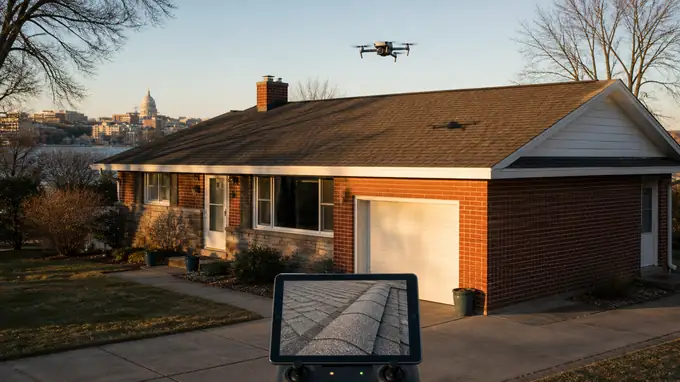
A drone hovers over a steep roof to photograph areas too high to reach by ladder. at a red-brick ranch home in Madison, WI, in late afternoon light.

Step 1: Roof Inspection

We start on the roof itself, not from the driveway. We walk the slopes where it is safe to, check shingles for lifted tabs, cracked seals and granule loss, and look at the flashing around chimneys, vents and skylights, since that is where most leaks begin. Then we go into the attic to find stains, damp sheathing or daylight. Water often travels along a rafter before it drips, so the ceiling stain rarely marks the actual hole.

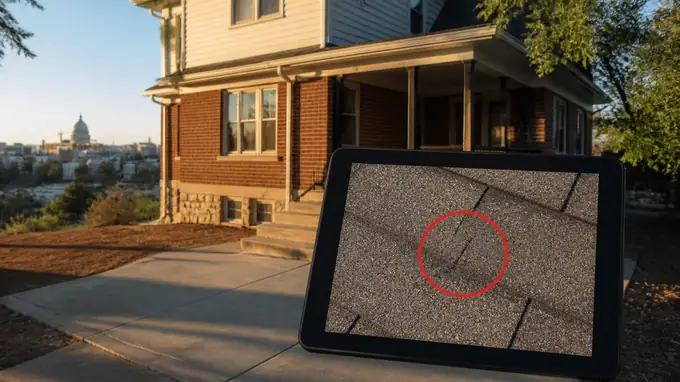
A roofer scrolls through inspection photos on a tablet while preparing the homeowner's estimate. at a brick-and-siding two-story home in Madison, WI.

Step 2: Written Estimate

You get the scope on paper before anyone touches a shingle. The estimate lists what we found, where it is, and what we plan to do about it: which flashing gets replaced, how many courses of shingles come off, whether any decking is suspect. Small roof repairs get the same written treatment as bigger jobs. If a repair makes less sense than a partial replacement on an older roof, the estimate says so plainly and shows both.

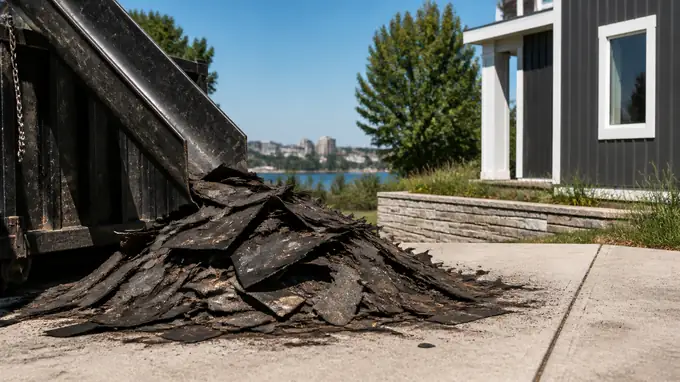
Workers tear off old shingles and toss them down a debris chute. at a charcoal farmhouse-modern home in Madison, WI, in clear late-morning sun.

Step 3: Removal of Old Materials

Old material comes off only as far as the damage goes. We lift shingles by hand around the repair area, pull the nails, and cut back to sound material so the new work ties into courses that still seal properly. Rotted flashing, dried pipe boots and brittle underlayment all come out rather than being patched over. Tarps go down on the lawn and over plantings first, and debris goes straight into a trailer, not onto your gutters.

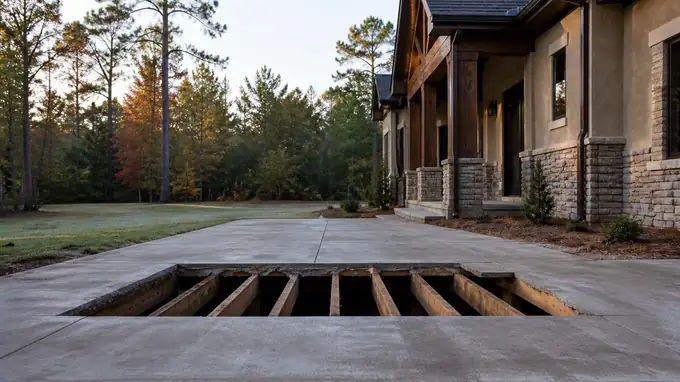
A roofer checks exposed roof rafters for daylight gaps before sheathing goes back down. at a painted-white-brick two-story home in Madison, WI.

Step 4: Deck Repair

With the old layers off, the deck tells the truth. We press and probe every sheet in the opened area and cut out anything soft, delaminated or stained through. Replacement panels match the thickness of what is already there so the new roof lies flat, with ends landing on rafters and clips between them. On a house built around 1979 (the local median), a slow leak can soak the decking for years before anyone sees a stain.

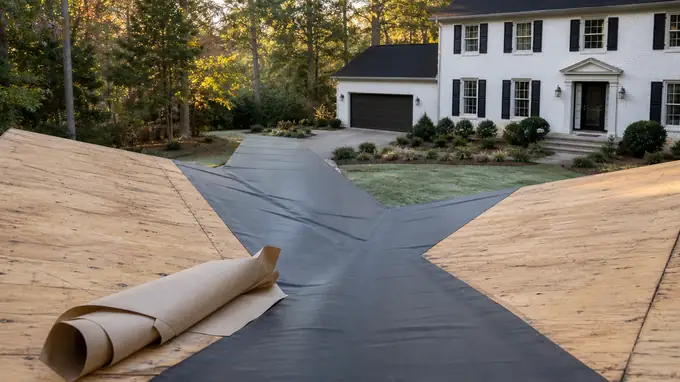
A roofer installs ice-and-water shield in a roof valley before the main underlayment. at a painted-white-brick two-story home in Madison, WI.

Step 5: Underlayment Installation

Underlayment is the layer that stops water when shingles fail. Along eaves, in valleys and around penetrations we lay a self-adhered ice and water membrane, lapped over the existing sheet so water sheds downhill and never runs behind a seam. The open field gets synthetic underlayment, fastened with cap nails rather than staples. With about 36 inches of snow a year here, the eaves and valleys are where melt sits longest, and they get the most attention.

A roofer fits new flashing around a roof vent during shingle installation. at a brick-and-siding two-story home in Madison, WI, in late afternoon light.

Step 6: Roofing Installation

New shingles are matched to the existing roof as closely as the product line allows, then woven into the surrounding courses and hand-sealed where the old strips have lost their tack. We nail on the manufacturer's line, not above it, because high nails are a common reason shingles blow off. Step flashing goes in piece by piece at every wall, counterflashing is cut into mortar at chimneys, and pipe boots are replaced rather than caulked.

A contractor and homeowner walk the yard for a final look at the completed roof. at a charcoal farmhouse-modern home in Madison, WI.

Step 7: Final Inspection

A repair is not finished until we check it the way we checked the roof at the start. Every nail line, seal strip and flashing lap gets looked at again, and we go back into the attic to check the sheathing around the old leak and look for daylight. Where it is practical, we run a hose over the repaired section and watch from inside. If the work needed a permit, we handle the permit inspection too.

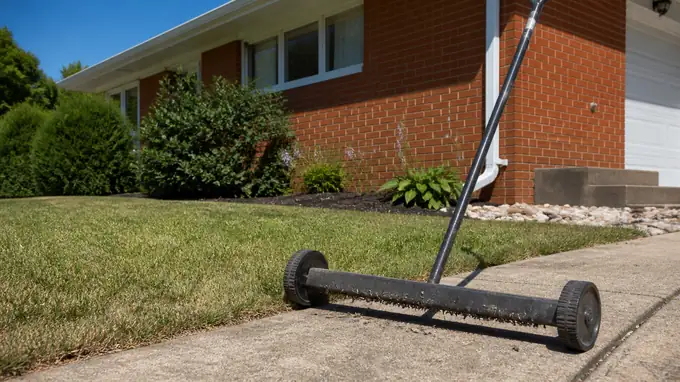
A worker pushes a magnetic sweeper across the lawn to collect stray nails. at a red-brick ranch home in Madison, WI, in clear late-morning sun.

Step 8: Cleanup

Cleanup covers more than the obvious pile. We sweep the roof and gutters for granules, nail tips and loose sealant, then run a magnetic roller across the lawn, driveway and beds in crossing passes. Tarps come up last so nothing shaken loose from them gets left behind. Old shingles, flashing and packaging leave with us, not in your trash bins. At the end, we walk the property with you so you can point out anything we missed.

Get a Free Estimate

Request an Estimate

Tap to call +1 608-594-7071