+1 608-594-7071
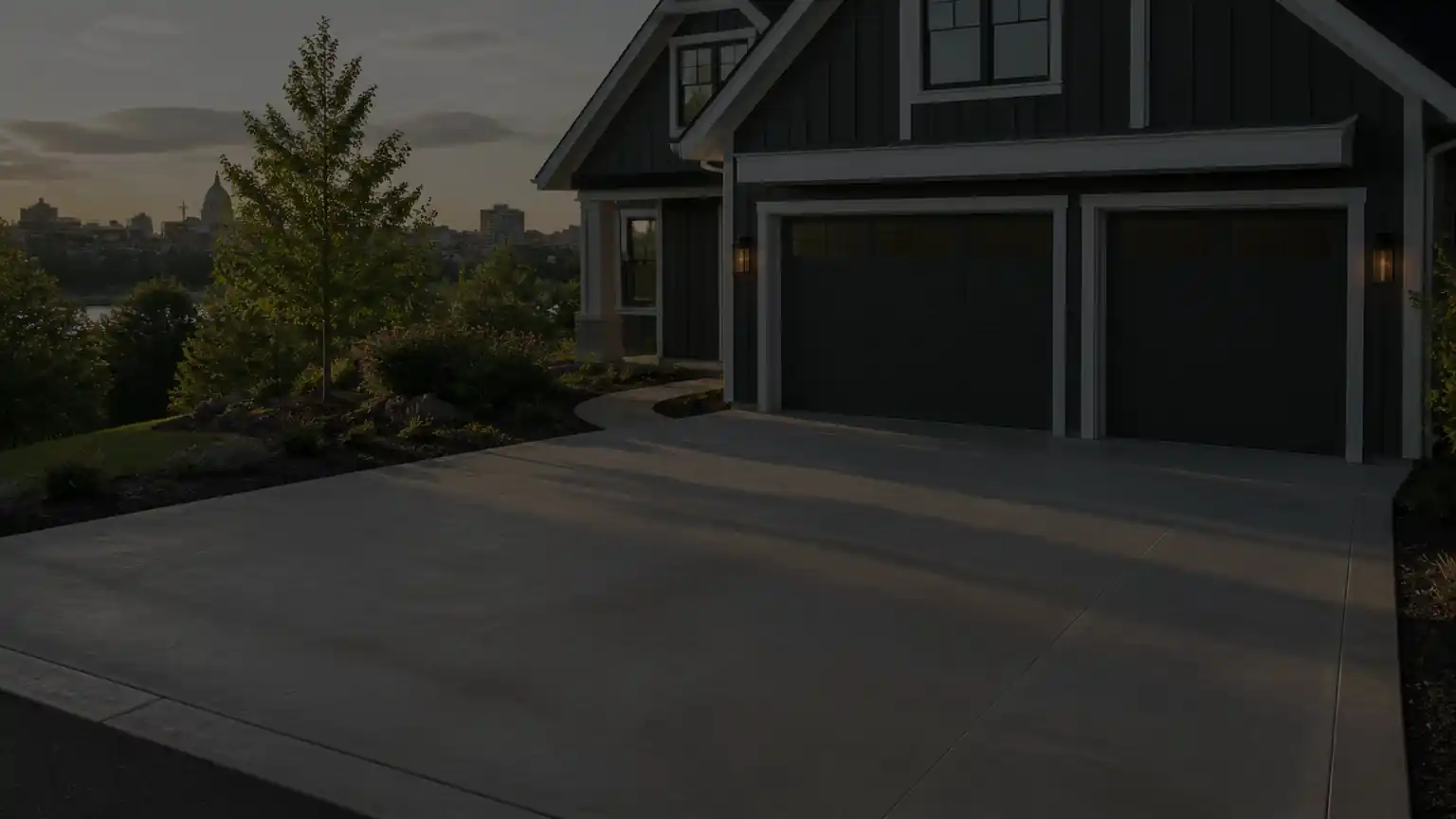
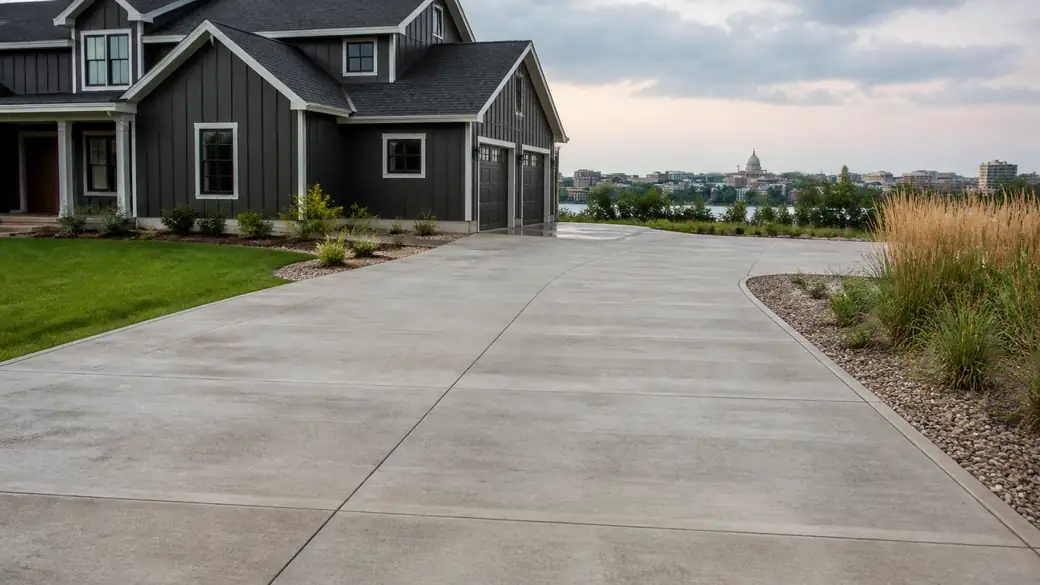
roof replacement completed by a local contractor at a charcoal farmhouse-modern home in Madison, WI, after a rain shower.

Roof Replacement in Marshall, Wisconsin

Roof replacement means stripping the old roof down to the deck and building a new one from there. We do this work on residential and commercial property in Marshall. A roof here takes about 32 inches of rain and 36 inches of snow in an average year. That is why the parts that matter most are the ones nobody sees: the deck, the underlayment, and the flashing.

The job starts on the roof, not at a desk. We go into the attic, check the decking for soft spots and old leaks, and tell you what we find before any materials are ordered. Then we handle the permit and do the replacement in sections, tearing off only what we can cover again the same day. Water damage found under the old roof gets repaired, not covered over. Call for a free estimate.

Call +1 608-594-7071

Request an Estimate

What We Do in Marshall

Image slot Roof Repair Near Me 680px · 16:9 · no image declared for this subject

Roof Repair Near Me

Most leaks start at the flashing, not in the open field of the roof. We check step flashing along sidewalls, counterflashing on chimneys, and the rubber boots around plumbing vents, which crack with age and let water run straight down the pipe. After that come blown-off shingles, lifted tabs and nail pops. We match the existing materials where we can. We also tell you plainly whether the roof has more years in it.
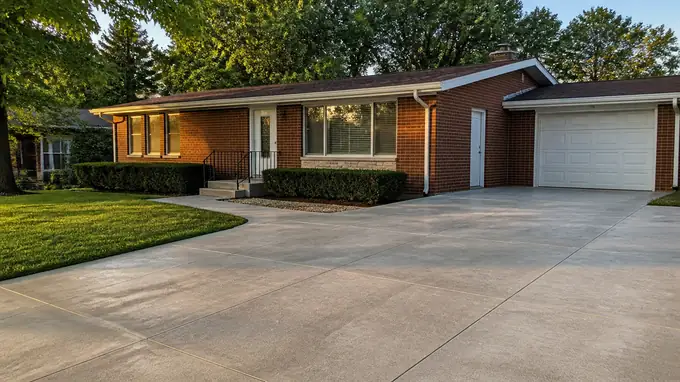
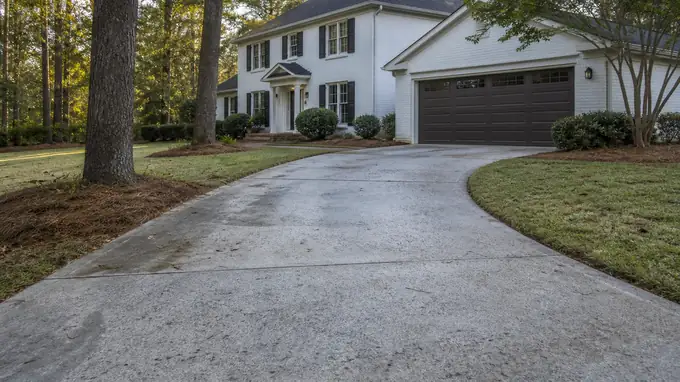
roof inspection completed by a local contractor at a red-brick ranch home in Madison, WI, in late afternoon light.

Roof Inspection

We start in the attic, because stained decking, rusted nail tips and damp insulation show problems the shingles hide. Up top we walk the whole roof, feeling for soft spots in the sheathing and looking for granule loss, cracked or curling shingles and exposed nail heads. Then the valleys, flashing, vents and gutters. You get photos of everything we found, good and bad, so you can see the roof the way we saw it.

Roof Replacement

A replacement means a full tear-off down to the deck. We pull the old shingles and underlayment, cut out any rotted sheathing and replace it, then put on new drip edge. Ice and water shield goes along the eaves and up the valleys, with synthetic underlayment over the rest. New flashing, new pipe boots, then shingles nailed to the manufacturer's pattern. With 36 inches of snow in an average year, the eaves are where that membrane earns its place.

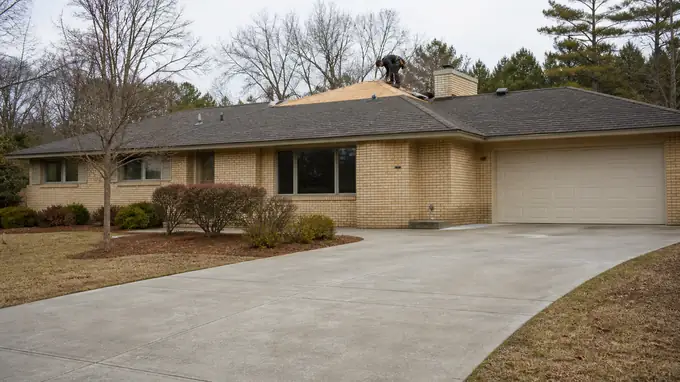
roof installation completed by a local contractor at a buff-brick ranch home in Madison, WI, under bright midday cloud.

Install Roofing

New construction and additions get a roof built from bare sheathing: drip edge, ice and water shield, synthetic underlayment, then architectural asphalt shingles. Where the pitch is too low for shingles, we put down a flat roofing membrane (EPDM or TPO) instead. On an addition, the hard part is the tie-in. We weave the new roof into the old one and flash the wall where they meet, since that seam is where water finds its way in years later.

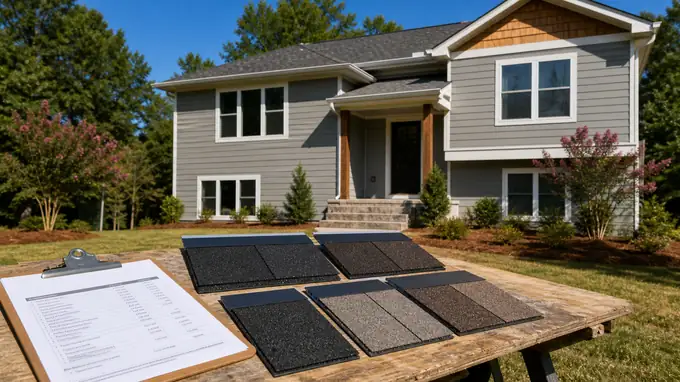
metal roof installation completed by a local contractor at a grey split-level home in Madison, WI, in clear late-morning sun.

Metal Roof Installation

Standing seam is what we recommend most: 24 or 26 gauge steel panels with a PVDF painted finish that holds its color. The panels attach with hidden clips, so they can expand and contract without tearing at the fasteners. Exposed-fastener panels are the other option, with screws sealed by neoprene washers that need checking as they age. Snow slides off metal quickly, so we add snow guards over doors, walkways and lower roofs.

Why Marshall Chooses Madison Precision Roofing

A roof in Marshall has to handle about 36 inches of snow and 32 inches of rain a year, so we build every replacement around keeping water out. That means tearing off to the deck, checking it for structural damage, and replacing soft boards before anything new goes down. We set flashing by hand at chimneys, walls and valleys, because that is where most leaks start. Nobody rushes that part.

Honest advice is part of the job. If a repair will carry your roof a few more years, we say so and quote the repair instead of the replacement. We show you the materials we plan to use and explain why they suit your house. Crews sweep the yard for nails before leaving, and the gutters get cleared of debris. Call for a free estimate when you are ready.

Choosing the Right Roofing System in Marshall

Asphalt shingles suit most pitched residential roofs, and they remain the sensible default for a house with a steady slope and sound framing. Standing seam metal sheds snow cleanly and holds up well in wind. Low-slope sections, like a porch roof or a garage addition, need a flat membrane instead, because shingles on a shallow pitch let water back up under the laps. Which system fits your house comes down to the pitch, the structural framing underneath, and how long you plan to stay.

The area gets about 32 inches of rain and 36 inches of snow a year, so whatever goes on has to handle both. Before we recommend anything, we get up on the roof and look at the decking, the ventilation, and the flashing around chimneys and walls. Those details decide performance more than the material on top. A good shingle over tired flashing still leaks. We show you what we found and explain why one option fits better than another. Then the choice is yours.

What Decides the Price of Roofing in Marshall

Two roofs the same size in Marshall can come in far apart on price, and most of the reasons are visible from the driveway or the attic. We walk the property, climb the roof and look underneath it before we write a number. These are the things that move it.

What changes the priceWhich wayWhy
More than one layer of old shinglesCosts moreEvery extra layer means more tear-off labor, more weight in the dumpster and more disposal. You can often count layers at the edge of the roof.
Soft or stained deckingCosts moreRotted sheathing gets cut out and replaced before new underlayment goes down. Dark stains on the attic boards usually mark where it is.
Steep pitchCosts moreA roof you cannot stand on comfortably needs harnesses and roof jacks, and every course goes on slower.
Chimneys, skylights and dormersCosts moreEach one needs its own flashing, fitted and sealed by hand. They are also where most leaks start.
A clear path from the driveway to the eavesCosts lessWhen the truck and dumpster can sit beside the house, debris drops straight in instead of being carried across the yard.
Long eaves and deep valleysCosts moreWith about 36 inches of snow a year, we run ice and water membrane farther up the eaves and down every valley where meltwater collects.
Low-slope porch or addition roofsCosts moreAnything too flat for shingles needs a membrane roofing system, with its own materials and seams.
Overflowing gutters and rotted fasciaCosts moreWater that has been spilling over the edge usually softens the fascia, and that wood has to be replaced before new drip edge goes on.

When you compare bids, check whether each one says the old layers come off, how much decking replacement is included, and which flashing is replaced rather than reused. Look for where ice and water membrane is specified. A lower bid that says nothing on those points is usually quoting a smaller job.

Marshall Questions

Do solar panels damage roofs?

No, not when the roof and the mounts are handled properly. The damage we see comes from racking bolted through shingles without proper flashing, which lets water follow the fastener down into the deck. Age matters too. Putting panels on a roof near the end of its life means paying to pull them off again for the replacement. If you are planning solar in Marshall, have the roof looked at first.

What information do I need to get an accurate estimate from the online calculator?

Start with your address, the rough footprint of the house, and how steep the roof is. The calculator also asks what is on the roof now (asphalt, metal or flat), how many layers it has, and whether you have leaks or visible damage. Skylights, chimneys and vents all add flashing work, so count them. Closer answers give a closer figure. A free estimate on the roof itself settles it.

Do you offer ongoing monitoring during winter?

No, we do not run a standing winter inspection program. What we do is repair work through the cold months when something goes wrong: a leak at the flashing, shingles lifted by wind, water backing up behind ice at the eaves. With about 36 inches of snow a year here, the best protection is a roof that goes into winter sound. If you have doubts about yours, call us in the fall.

Do skylights increase energy efficiency, and how do they affect heating and cooling costs?

Yes, in some ways, and they cost you in others. A skylight brings daylight into rooms that would otherwise need lamps on all afternoon, and a south-facing unit picks up some sun heat in winter. Glass still loses more heat than an insulated roof, though, and it gains heat in summer. Size, glazing and placement decide which way that balance tips. Most skylight calls we get are about leaks, not energy bills.

How long does re-pitching take?

Longer than a straight replacement, because re-pitching is structural work before it is roofing work. We strip the old roof, frame the new slope, sheath it, and then install the roofing system on top. Weather, the size of the building and the permit (we handle the permit) all shape the schedule. The real answer for your house comes from seeing it. That is why the timeline is part of the estimate.

What type of warranty do you offer on new installations?

Coverage depends on the roofing system and the materials that go on your roof, so we do not list terms on this page. Shingle, metal and flat roofing products each come with their own manufacturer paperwork, and careful installation is what keeps that paperwork from ever being needed. Ask about it when you call Madison Precision Roofing for a free estimate. Get anything you are relying on in writing before work starts.

What to Expect on a Marshall Roofing Job

An inspector checks the attic framing for water stains with a flashlight. at a painted-white-brick two-story home in Madison, WI, in early morning light.

Step 1: Roof Inspection

We start on the roof itself, not from the driveway. We walk every slope that is safe to walk, check the flashing at chimneys, sidewalls and vents, look for split rubber on pipe boots, and press on the deck around valleys to feel for soft spots. In the attic we look for daylight at the nail lines, damp sheathing, stained rafters and how well the vents move air. You get the photos, so you see what we saw.

A roofer shows a homeowner asphalt shingle samples while reviewing the estimate. at a grey split-level home in Madison, WI, in clear late-morning sun.

Step 2: Written Estimate

Everything we found ends up on paper, line by line. The estimate names the shingle line and color, the underlayment, where ice and water shield goes, the drip edge, and whether each piece of flashing is reused or replaced. Rotten decking gets its own line, so you know how it is handled before the old roof comes off. We handle the permit, and that is written in too. Read it, ask questions, and compare it with anyone else's.

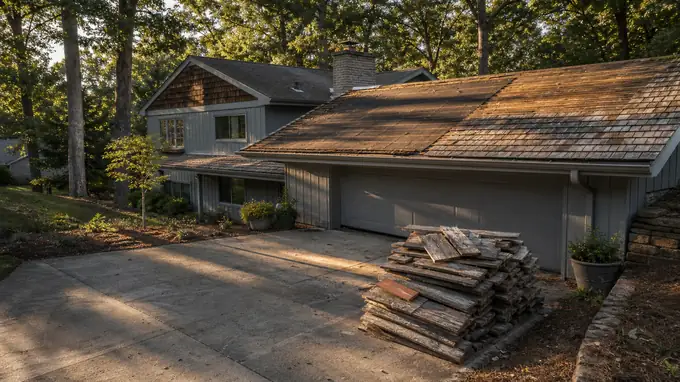
Workers strip aging cedar shakes from a roof before replacement. at a grey split-level home in Madison, WI, in late afternoon light.

Step 3: Removal of Old Materials

Tear-off goes down to the bare deck, every layer. We don't shingle over an old roof: it hides rot and adds weight the framing never needed to carry. Tarps go over shrubs, siding and the edge of the lawn, and the dumpster or trailer sits as close to the eaves as the driveway allows. Old nails get pulled, not hammered flat. We only strip what we can dry in before the end of the day.

A roofer replaces a rotted section of plywood roof sheathing with new board. at a brick-and-siding two-story home in Madison, WI, in early morning light.

Step 4: Deck Repair

Once the deck is bare, it tells the truth. We look for delaminated plywood, OSB swollen at the edges, and boards that sag between rafters. Most of that damage comes from slow leaks at flashing, or from warm, damp attic air condensing on the underside of the sheathing. Anything soft gets cut back to solid framing and replaced with sheathing of matching thickness, nailed off to the rafters. A cracked or rotted rafter, we show you before we sister it.

A roofer rolls synthetic underlayment across a bare deck, overlapping each row. at a brick-and-siding two-story home in Madison, WI.

Step 5: Underlayment Installation

With about 36 inches of snow a year, the eaves get ice and water shield first: a self-adhering rubberized membrane that seals around every nail driven through it. It also goes in the valleys and around chimneys and skylights. The rest of the deck gets synthetic underlayment, lapped so water runs over each seam instead of into it. Drip edge goes under the membrane at the eaves and over the underlayment at the rakes. Reverse that, and water finds the gap.

A roofer installs cedar shakes with careful spacing and stainless fasteners. at a tan-brick colonial in Madison, WI, in early morning light.

Step 6: Roofing Installation

Shingles go on in the order water runs off: starter strip at the eaves, then course after course up the slope, each nailed in the strip the manufacturer marks. High nails are the most common reason shingles lift and tear off in wind. New step flashing is woven in at every sidewall, one piece per course, and counterflashing is cut into the chimney mortar. Pipe boots, vents and ridge cap finish the top. Metal and flat roofs follow the same rule.

A roofer checks sealant around a chimney flashing before closing out the job. at a buff-brick ranch home in Madison, WI, in early morning light.

Step 7: Final Inspection

Before anyone calls the job done, a second set of eyes walks the whole roof. We check that shingles lie flat with no exposed nail heads, that flashing is sealed and tight to the wall, that valleys are clean and the ridge vent is open along its full length. In the attic we look again for light and for air moving from soffit to ridge. Then we walk the property with you, point out what changed, and hand over the photos.

Workers fold up protective tarps laid over landscaping during the roof job. at a stacked-stone and stucco home in Madison, WI, in early morning light.

Step 8: Cleanup

Nails are the part homeowners worry about, and they should. We run a rolling magnet over the lawn, driveway, flower beds and walkways, then run it again in the other direction. Gutters get cleared of granules and shingle scraps, and downspouts get checked for clogs. Tarps come up folded inward so nothing they caught lands in the grass. The dumpster leaves with the last load. If a stray nail turns up in the yard later, call us.

Get a Free Estimate

Request an Estimate

Tap to call +1 608-594-7071