+1 608-594-7071
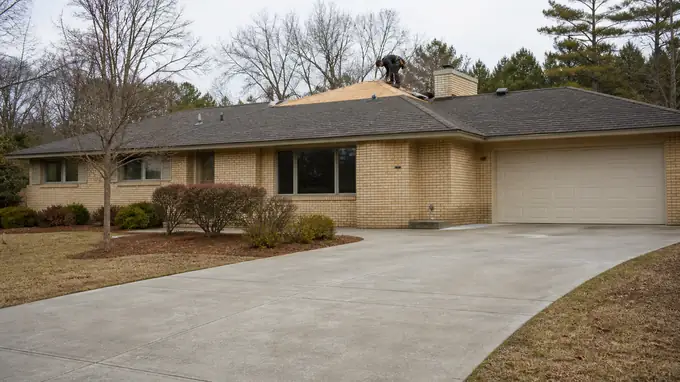
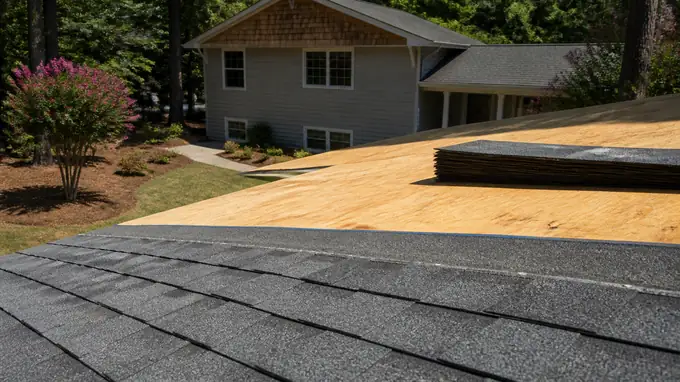
emergency roof repair completed by a local contractor at a grey split-level home in Madison, WI, in late afternoon light.

Emergency Roof Repair Near Me in Madison, WI

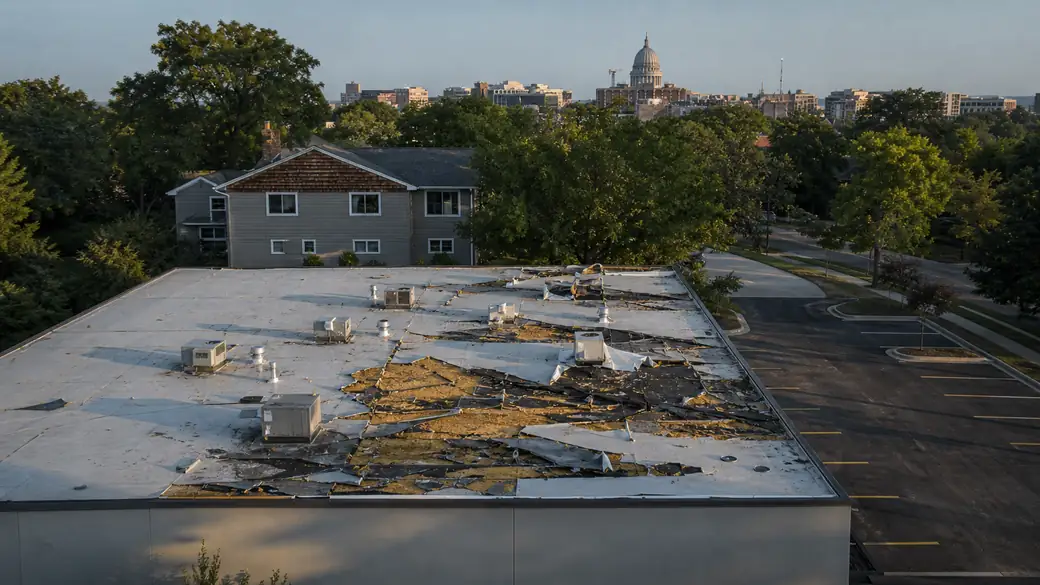
A roof that is letting water in does not wait for a convenient day, and neither should the repair. We handle emergency roof repair across Madison for homes and small commercial buildings: storm damage, torn shingles, lifted flashing, leaks that show up as a stain on the ceiling. The first job is protection. We stop the water, secure the damaged area and keep the building dry.

Once the roof is secure, we find out why it failed. The median home here was built in 1979, so we look past the torn shingles to the decking, the flashing and the structural members underneath. About 36 inches of snow a year finds every weak spot a quick patch leaves behind. We tell you plainly whether a repair will hold or the section needs replacement. Call for a free estimate.

Call +1 608-594-7071

Request an Estimate

What Emergency Roof Repair Near Me Involves

Image slot Roof Repair Near Me 680px · 16:9 · no image declared for this subject

Roof Repair Near Me

Most emergency calls trace back to a few things: a lifted or missing shingle, flashing pulled away from a chimney or sidewall, or a rubber pipe boot that has split with age. We find where the water actually gets in, which is often several feet uphill of the stain on your ceiling. Then we dry in the damage with underlayment and fastened sheeting, and make the permanent repair with materials that match what is already on the roof.
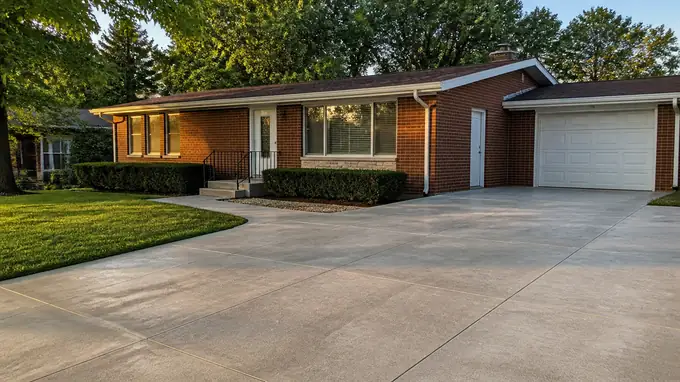
roof inspection completed by a local contractor at a red-brick ranch home in Madison, WI, in late afternoon light.

Roof Inspection

A house built around 1979, the median year for homes here, may be on its second or third roof, and each layer hides what is under it. We walk the surface, check every penetration and valley, and look at the decking from the attic for dark staining, soft spots and daylight. With about 36 inches of snow a year, we pay close attention to the eaves, where ice can back water up under shingles.

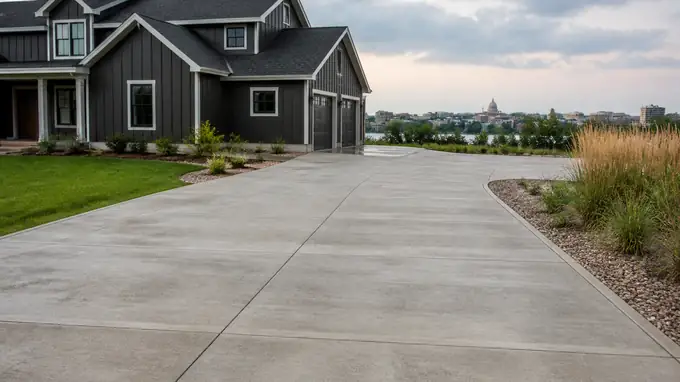
roof replacement completed by a local contractor at a charcoal farmhouse-modern home in Madison, WI, after a rain shower.

Roof Replacement

Sometimes patching just delays the inevitable. Curling tabs, granules collecting in the gutters, and soft decking in more than one spot usually mean the roof has run its course. A replacement means tearing off to the deck and cutting out rotted sheathing. Then comes ice and water shield along the eaves and valleys, synthetic underlayment, new drip edge and flashing, and architectural shingles or standing seam metal on top. We handle the permit.

roof installation completed by a local contractor at a buff-brick ranch home in Madison, WI, under bright midday cloud.

Install Roofing

Good installation is mostly details nobody sees from the street. We nail to the manufacturer's pattern, with six nails per shingle where the pitch calls for it. Step flashing goes in piece by piece at every wall, never as one bent strip. Intake and exhaust vents are balanced so the attic breathes, which keeps the deck dry. On flat and low-slope sections we install a membrane instead of shingles, because shingles are not built to shed standing water.

Our Warranty and Guarantee

The most useful thing we can leave you with after an emergency repair is a clear record of it. Before we come down off the roof, we walk you through what failed, what we replaced, and which materials went in. You get photos of the damage and of the finished repair, so you know exactly what was done to your property.

We also tell you plainly what kind of repair it is. A tarp or temporary patch keeps water out for now; it is not a permanent fix. If the flashing is worn or the deck underneath is soft, we say so and show you where. The median home here was built in 1979, so plenty of roofs carry older repairs that deserve an honest look.

Roofing Systems and Materials for Madison

Half the homes in Madison were built before 1979, and most of the roofs on them are asphalt shingle over wood decking. We also install and repair metal roofing, plus flat roofing systems (single-ply membrane) for low-slope residential sections and commercial buildings. On an emergency call, we patch with materials that match what is already up there, so the repair ties in cleanly with the rest of the roof.

The material matters less than how it is detailed. Madison sees about 32 inches of rain and 36 inches of snow a year, and that water finds the flashing first: around chimneys, along walls, in valleys. Most leaks start there, not in the open field of shingles. So we check the flashing on every repair, whatever the roof is made of, and look at the decking before anything goes back down.

How Much Does Emergency Roof Repair Near Me Cost in Madison?

We price an emergency repair by what we find under the damage, not by the storm that caused it, so the number comes after we've been on the roof. The median home here was built in 1979. A roof that old may already carry a second layer, older flashing, or decking that has taken water before. Most of what moves the price is something you can check yourself.

What changes the priceWhich wayWhy
Layers of shingles already on the roofcosts more per layerEvery layer comes off down to the deck before a repair will hold. Look at the edge of the roof to count them.
Soft or stained decking under the leakcosts moreWet plywood that flexes gets cut out and replaced. You can often see the stain from the attic.
Roof pitchsteeper costs moreA steep roof means harnesses, anchors and roof jacks, and every trip up is slower.
How close a truck can park to the damagefarther costs moreA fenced yard or narrow side path means carrying materials and debris by hand.
Chimney, skylight or wall flashing in the leak areacosts moreFlashing gets pulled and rebuilt, not caulked over, or the water finds the same path.
Water in the attic insulationcosts moreSoaked insulation has to come out before the deck is closed back up.
A flat section over a porch or additioncosts moreLow slopes take membrane, not shingles, and different materials on the truck.
Tarp now, permanent repair latercosts less todayTemporary protection stops the water. The full repair is priced separately once the roof dries.

Line competing bids up against each other. Check whether each one says tear-off or overlay, how much decking replacement is included, and whether flashing is replaced or reused. Ask who pulls the permit. We handle the permit on ours.

Frequently Asked Questions About Emergency Roof Repair Near Me in Madison

Who offers 24/7 emergency roof repair near me?

Madison Precision Roofing takes emergency roof calls, and a leak does not wait for business hours, so call as soon as water is coming in. The first job on any emergency is stopping the water: a tarp, a temporary patch, or resealing lifted flashing so the damage inside the house stops growing. The permanent repair follows once the roof is dry and we can see what actually failed.

Who are the best hail damage repair contractors near me?

The ones who show you the damage before they talk about replacement. Hail bruises shingles, knocks granules loose, dents metal vents and flashing, and cracks older materials. Not every roof that saw hail needs a new one, though. We go up, mark the hits, photograph them, and tell you plainly whether it calls for a repair, a partial replacement, or nothing. Ask any contractor you are considering to walk you through their photos.

Where can I find emergency flat roof repair services near me?

Right here. We repair flat and low-slope roofs on residential and commercial buildings across Madison, from porch roofs and garage additions to larger commercial property. Flat roofs leak differently. Water sits instead of running off, so a small split in a seam or failed flashing at a wall can travel a long way before it shows on a ceiling. We trace the water to its source first, then make the repair.

Who are the best skylight repair contractors near me?

Look for someone who treats a skylight as part of the roof, not a window. Most skylight leaks come from the flashing and curb around the unit rather than the glass, and caulk smeared over the gap rarely holds for long. We pull back the shingles, check the curb for rot, and reflash it properly. If the unit itself has failed seals or cracked glazing, we tell you and replace it.

What causes gutters to leak at the joints and seams?

Movement, mostly. Gutters expand and contract with every temperature swing, and over the years that works the sealant loose at corners, end caps and the joints between sections. Clogs make it worse, because standing water finds any weak seam. So does weight: with about 36 inches of snow a year here, ice and packed snow sitting in a gutter pull on the hangers and open the joints further. Poor pitch that leaves water pooling is the other common cause.

What type of gutters do you install for homes in Madison?

Mostly continuous aluminum gutters, formed on site to the length of each run so the only joints are at the corners and downspouts. Fewer joints means fewer places to leak. We size them to the roof area they drain, and larger or steeper roofs often need wider gutters and bigger downspouts. With the median home here built in 1979, we also check the fascia behind the old gutters for rot before hanging anything new.

How a Emergency Roof Repair Near Me Job Runs in Madison

An inspector walks a shingle roof checking for cracked and missing shingles. at a brick-and-siding two-story home in Madison, WI.

Step 1: Roof Inspection

The first thing we look for is where the water is actually getting in, which is rarely right above the stain on the ceiling. We go into the attic with a light and trace the drip back along the rafters. Then we walk the roof and check the flashing at chimneys, vents, skylights and valleys. If the roof is still open to weather, a tarp goes down and gets fastened to battens before anything else.

A contractor reviews a written roof replacement quote with a homeowner on the front porch. at a tan-brick colonial in Madison, WI, in early morning light.

Step 2: Written Estimate

You get the scope on paper before any work starts: what failed, what comes off, what goes back on, and which materials we use. If the damage runs deeper than one section, the estimate says so plainly and separates the urgent repair from what can wait. Nothing gets added once the roof is open without us showing you the problem and writing it up first. You decide what goes ahead.

The stripped roof deck sits exposed after old shingles and felt are removed. at a buff-brick ranch home in Madison, WI, in early morning light.

Step 3: Removal of Old Materials

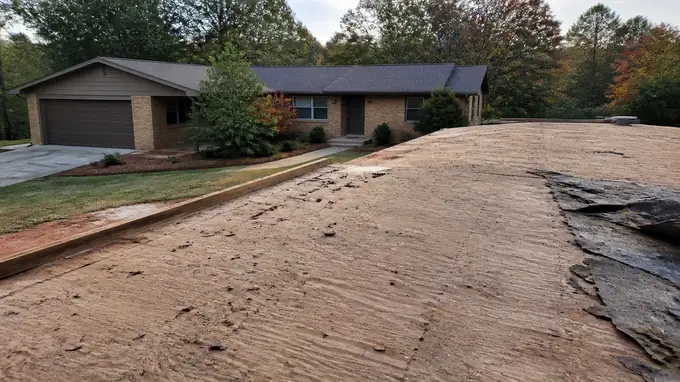
Shingles come off across the damaged area and a margin past it, down to bare decking, so we can see what the water did underneath. If an older layer sits under the top one, both come off in the repair zone. Nailing new shingles over a wet layer just hides the next leak. Old nails get pulled rather than hammered flat, and the tear-off lands on tarps, not in your flower beds.

A roofer fastens new OSB roof sheathing sheets with a staggered nailing pattern. at a red-brick ranch home in Madison, WI, under bright midday cloud.

Step 4: Deck Repair

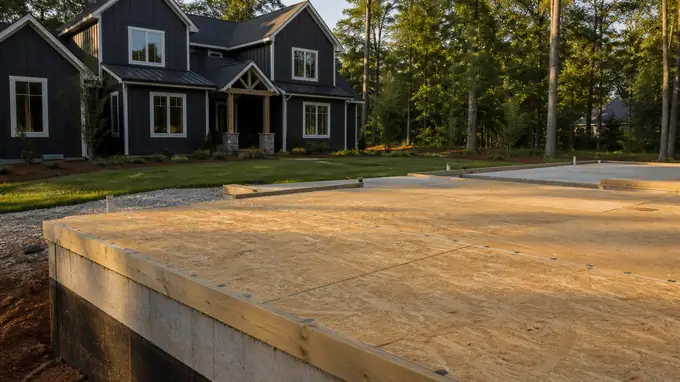
Wet decking tells on itself. Plywood delaminates, OSB swells at the edges and goes soft underfoot. We cut out every sheet that fails, back to the nearest rafters, and replace it with new sheathing of matching thickness so the new roof lies flat. Where a rafter or truss has been sitting wet, we probe it for rot and sister it with new lumber if it has lost strength. Structural problems get shown to you before they get covered.

A roofer seals overlapping underlayment seams along the eave edge. at a red-brick ranch home in Madison, WI, in late afternoon light.

Step 5: Underlayment Installation

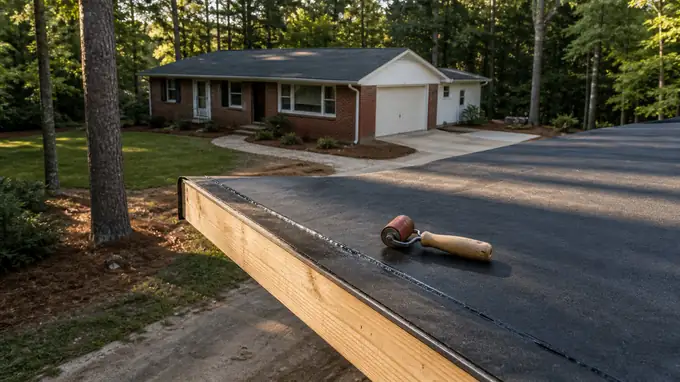
Ice and water shield goes down first at the eaves, in the valleys and around every penetration, because those are the spots where water backs up under shingles. The rest of the deck gets synthetic underlayment, lapped and fastened to the manufacturer's pattern. Where new underlayment meets old, we tuck it under the existing layer. Water running downhill should always cross a lap from above, never run into one.

A roofer nails asphalt shingles into place course by course. at a grey split-level home in Madison, WI, in clear late-morning sun.

Step 6: Roofing Installation

New shingles are matched to the existing roof as closely as the manufacturer still allows, in color and profile, so the repair does not read as a patch from the street. Each one gets its full nail count, placed in the nailing strip. Step flashing goes in piece by piece along sidewalls, and counter flashing is cut into the chimney mortar rather than caulked to the surface. Metal and flat roofs get repaired with the same system already there.

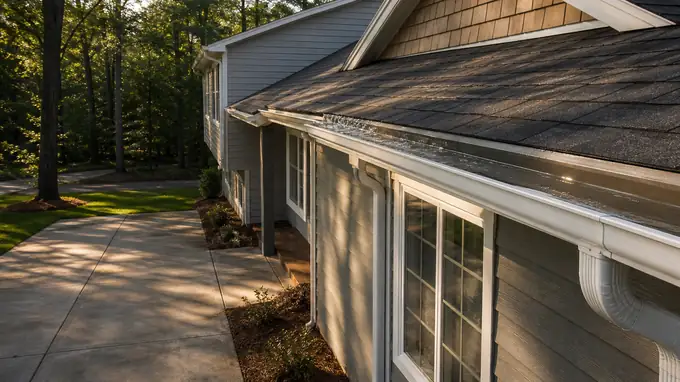
A roofer checks water flow through a newly reattached gutter after installation. at a grey split-level home in Madison, WI, in late afternoon light.

Step 7: Final Inspection

Before we call it done, we walk the whole roof, not only the section we touched. Flashing has to be sealed and lapped the right way. No nail heads can be exposed. Vents and pipe boots need to sit tight. After that we go back into the attic, where the leak started, and look at the underside of the repair. When conditions allow, we run a hose over the area and watch for water from inside.

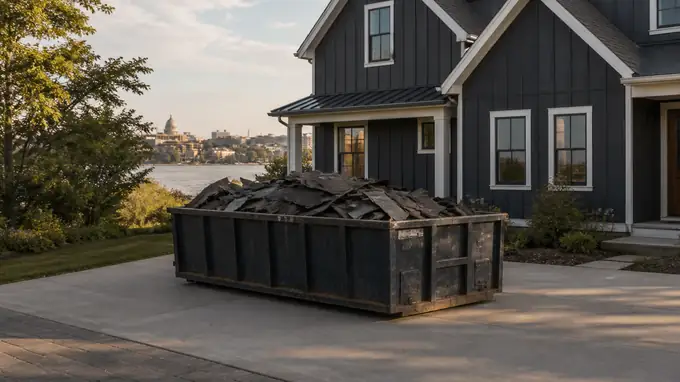
Workers load the last bundles of old shingle debris into a driveway dumpster. at a charcoal farmhouse-modern home in Madison, WI, in late afternoon light.

Step 8: Cleanup

Any roofing job scatters nails, so we run a magnetic sweeper across the lawn, driveway, beds and walkway, then go over it a second time. Gutters get cleared of grit and shingle scraps, since loose granules clog downspouts. Old materials leave the property with us. The yard should be safe to walk barefoot afterward, and we check with you that the site is back the way it was before we pack up.

Get a Free Estimate

Request an Estimate

Tap to call +1 608-594-7071