+1 608-594-7071
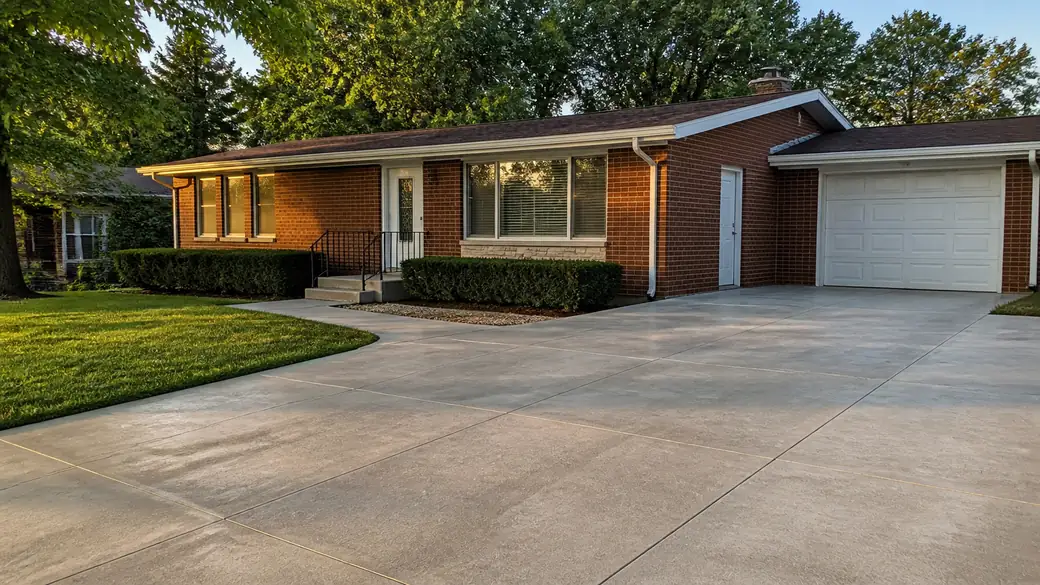
roof inspection completed by a local contractor at a red-brick ranch home in Madison, WI, in late afternoon light.

Roof Inspection in Madison, WI

A roof inspection tells you what your roof is actually doing, not what it looks like from the driveway. We inspect residential and commercial roofs across Madison: shingle, metal, and flat roofing systems, on homes and on commercial property. The reason people call is usually one of four: a leak, a storm, a sale, or a roof of unknown age they want a straight answer on. Half the homes here were built before 1979. Roofs that old have often been covered more than once, and layers hide things. A shingle field that reads fine from the ground can be sitting on soft decking.

We walk the roof rather than look at it from a ladder. Water finds the same places on nearly every roof: flashing at chimneys and sidewalls, valleys, pipe boots, and the seams and drains on flat sections. Those are where we spend the time. Inside, we check the attic for stains, daylight, and wet insulation, since a leak can travel a long way from where it starts before it shows on a ceiling. You get a written report with photos of anything we found, what it means for the roof, and whether it calls for a repair, a replacement, or nothing yet. Call us for an inspection.

Call +1 608-594-7071

Licensed, Bonded, and Insured ยท A combined 15 years of experience

Request an Estimate

We warranty all of our work because we believe in what we do.

What Roof Inspection Involves

Image slot Roof Repair Near Me 680px · 16:9 · no image declared for this subject

Roof Repair Near Me

Most calls we get are for a leak, not a whole roof. Water shows up on a ceiling, and the cause is usually flashing: a rusted step flashing at a sidewall, a cracked pipe boot, or a chimney counterflashing that pulled loose from the mortar. We find the entry point, replace the failed piece with new galvanized or aluminum flashing, and reseal it. Repairs on shingle, flat, and metal roofs across Madison and out to Middleton.
Roof Inspection

A roofing inspection starts on the roof, not in the driveway. We walk the surface and check shingle wear, granule loss, nail pops, and soft decking underfoot. Every flashing, valley, and penetration gets a close look, since that is where leaks begin. Inside, we check the attic for stains, damp insulation, and daylight at the eaves. You get a written report with photos of what we find and what it needs, if anything.

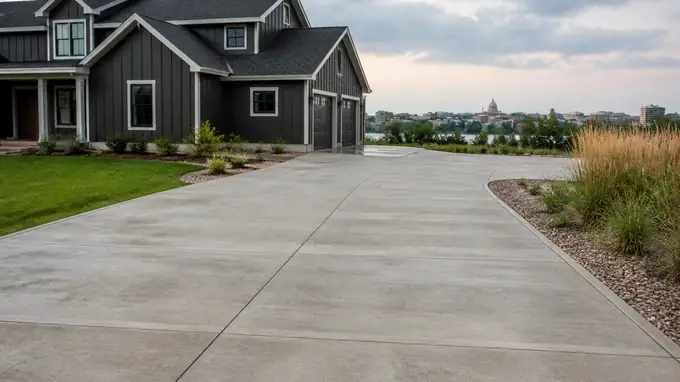
roof replacement completed by a local contractor at a charcoal farmhouse-modern home in Madison, WI, after a rain shower.

Roof Replacement

Homes here have a median build year of 1979, so a lot of roofs are on their second or third layer. We tear off to bare decking, replace rotted OSB or plank sheathing, and install ice and water membrane at eaves and valleys before the underlayment goes down. Architectural shingles, standing seam metal, or EPDM and TPO for flat sections. New drip edge, new flashing, and ridge vent on every replacement.

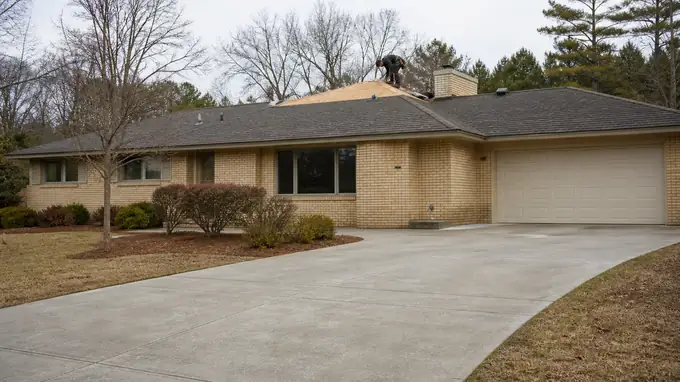
roof installation completed by a local contractor at a buff-brick ranch home in Madison, WI, under bright midday cloud.

Install Roofing

New installation on additions, garages, and new construction follows the same sequence every time. Decking is checked and fastened, then synthetic underlayment over the field and self-adhered membrane where water collects. We set flashing before the field material, not after, so it laps correctly. Metal panels get concealed fasteners and butyl seams. Shingles get six nails, not four. On flat roofs we taper insulation so water actually reaches the drains.

Roofing Projects We've Completed in Madison

Most of our work is residential: full roof replacement, storm damage repair, and flashing fixes around chimneys and skylights where leaks usually start. The median Madison home was built in 1979, so the roofs we see are rarely the first one on the house. We find layers stacked on layers, decking gone soft under a valley, and vents sealed with whatever was on the truck that day. Each replacement starts with a roofing inspection that maps all of it before a shingle comes off. Metal or asphalt, depending on what the house and the owner want.

Commercial jobs are the smaller share of the calendar: flat roofs on shops and small office buildings, with work running out toward Sun Prairie. Flat roofing systems fail differently. Water does not run off, it sits, so the trouble is ponding, seams pulling apart, and drains clogged until the membrane gives up. We repair what can be repaired and replace what cannot, and we say which is which before the work starts. Maintenance visits are part of that, because a flat roof that gets looked at rarely turns into a structural repair.

Roofing Systems and Materials for Madison

Most roofs we inspect are residential asphalt shingle, and most of our installation and replacement work is there too. We also install standing seam metal on homes that want a longer service life, and we handle flat and low-slope roofing systems on commercial buildings: TPO, EPDM and modified bitumen. Each material fails differently. Shingles lose granules and lift at the edges. Metal panels move with temperature and work their fasteners loose. Flat roofs pond water and open up at seams and penetrations. The median Madison home was built in 1979, so a good share of what we look at is a replacement roof rather than the original, and we read the previous work as carefully as the materials.

Flashing is where most leaks start, whatever the roof is made of. Chimneys, sidewalls, skylights and vent stacks all depend on metal and sealant that were cut and bent by hand, and a roofing inspection spends more time there than on the open field of shingles. We check for water staining in the attic, rot at the deck, and structural sag before we recommend a repair or a full replacement, because the right fix depends on what is under the surface. Maintenance is mostly sealant, fasteners and keeping drains clear. Replacement work inside the city is permitted through the City of Madison, and we handle that paperwork before the first shingle comes off.

What Customers Say About Our Roofing Services

Here is what we want you to be able to say when the job is done: the roof does what a roof is for, the yard looks the way it did when we pulled in, and nothing surprised you. We put the scope in writing before we start. A roofing inspection tells you what the roof needs, in plain terms with photos, and the decision is yours from there. Repair, replacement, or leave it alone this year.

Judge us on the report. The median home in Madison was built in 1979, and a house of that age has had time to collect the problems that hide under shingles: tired flashing at a chimney, soft decking, water tracking along a valley toward the ceiling. We find those on the inspection, not after the first leak. Read what we write, walk it against the roof, and ask about anything that does not match.

Frequently Asked Questions About Roof Inspection in Madison

Do you work with insurance companies to help with claims and paperwork?

Yes. When a storm damages a roof, we inspect it, photograph what we find, and write up the damage in the terms an adjuster uses. Homeowners in Madison hand that report to their insurer and we meet the adjuster on the roof if one comes out. We do not file the claim for you or decide what your policy pays. We document the roof honestly and let the paperwork follow.

What type of plants work best on green roofs and commercial rooftops in Madison?

Low sedums and other shallow-rooted succulents do the most reliable work on a green roof. They hold water in their leaves, tolerate thin growing medium, and do not need much tending. Deeper plantings add weight, and weight is a structural question before it is a gardening one. On a commercial building we check the deck, the membrane and the drainage first, then talk about what can grow on top of it.

How does weather impact the availability and timing of your repairs?

Rain, snow and high wind stop roofing work. Shingles do not seal on a wet deck, sealants will not cure in the cold, and a crew on a slick roof is a crew we send home. So a repair date can move. What we can do in bad weather is tarp an open area and keep water out until conditions allow the permanent fix. We tell you plainly when a job has to wait.

What causes green moss and algae growth on roofs?

Shade and moisture. A section of roof that stays damp, usually under trees or on a north-facing slope, gives moss and algae what they need. Algae shows as dark streaks and is mostly cosmetic. Moss is worse: it holds water against the shingles, lifts the edges, and works at the granules until the surface wears thin. Removing it gently and trimming back the shade fixes most of it.

Does homeowners insurance typically cover wind damage to roofs?

Yes, most standard policies treat wind as a covered peril, though the details vary by insurer and by the age of the roof. Some policies pay to replace, others pay a depreciated value. Read your declarations page or ask your agent. Our part is a roofing inspection that records lifted, creased or missing shingles and exposed flashing so the claim rests on real evidence rather than a guess.

Can you install gutters during winter or rainy weather?

Yes, within limits. Gutters hang on the fascia, not the roof surface, so light rain rarely stops the job. Cold matters more. Sealant at the seams and end caps needs to cure, and it does that poorly below freezing. Snow or ice on the roof edge is a hazard we will not work under. When a homeowner in Middleton calls in a bad stretch, we schedule around the next dry, workable day.

Get a Free Estimate

Request an Estimate

We warranty all of our work because we believe in what we do.

Tap to call +1 608-594-7071