+1 608-594-7071
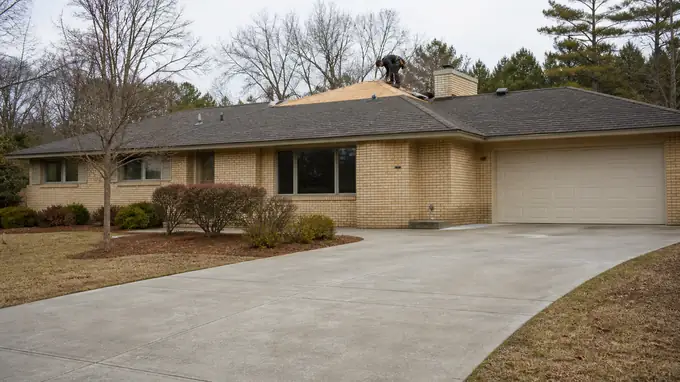
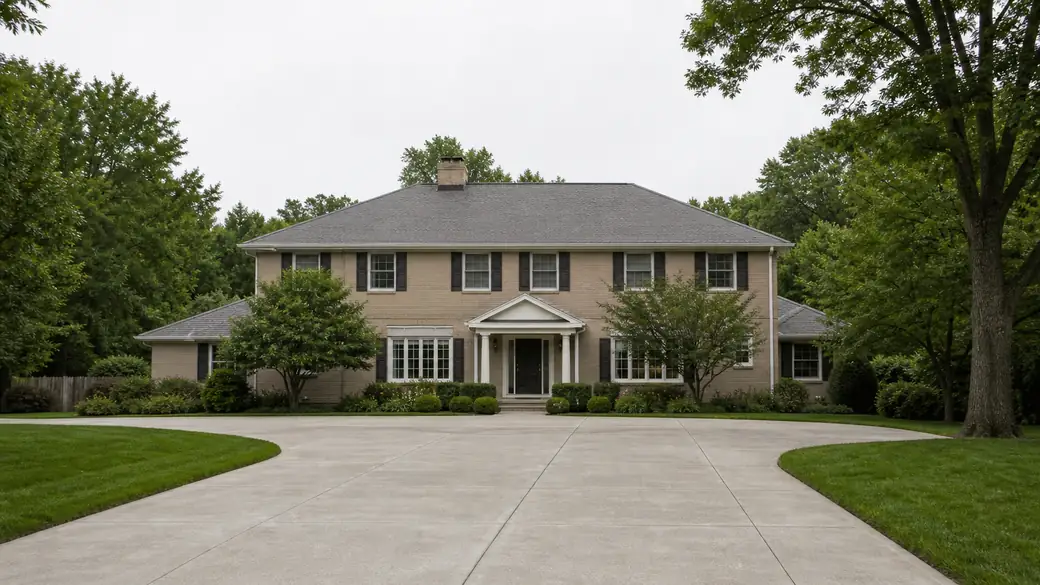
A finished roof photographed from across the yard, showing uniform shingle rows and clean flashing from ridge to eaves. at a tan-brick colonial in Madison, WI.

Roof Repair in Monona, Wisconsin

A roof repair should fix the cause, not the stain on the ceiling. In Monona we trace each leak back to where the water actually gets in, which is often a few feet from where it shows up inside. Usually that means lifted shingles, tired flashing around a chimney or vent, or a flat section that holds water. We repair residential and small commercial roofs of every common type, including metal.

Each year brings about 36 inches of snow and 32 inches of rain, so a small gap in a roof gets tested often. We start on the roof itself, looking at the shingles, flashing and decking before anything gets written up. If a repair will hold, we say so. If the roof is past patching, we say that too, and explain why. Call for a free estimate.

Call +1 608-594-7071

Request an Estimate

What We Do in Monona

Image slot Roof Repair Near Me 680px · 16:9 · no image declared for this subject

Roof Repair Near Me

Most leaks we trace start at a detail, not in the open field of the roof: step flashing lifted along a sidewall, a cracked rubber boot around a plumbing vent, or chimney counterflashing that has worked loose from its mortar joint. Water often enters a few feet uphill of the stain on your ceiling. We find the real entry point, repair it with matching materials, replace any soft decking underneath, and show you what we found.
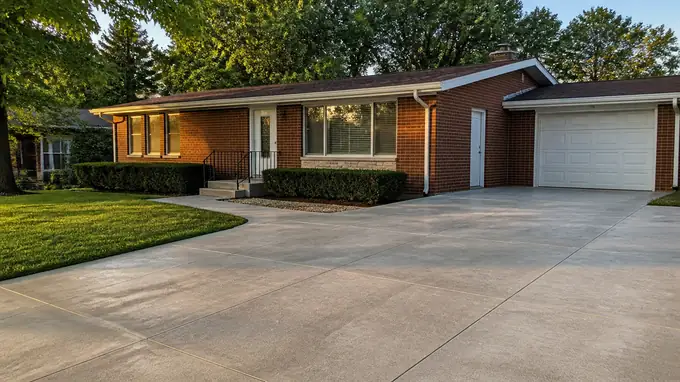
roof inspection completed by a local contractor at a red-brick ranch home in Madison, WI, in late afternoon light.

Roof Inspection

An inspection means someone on the roof and in the attic, not a glance from the driveway. Up top we check for granule loss, nail pops, failed sealant at penetrations and the condition of every flashing run. Inside, we look for daylight at the deck, dark staining on the sheathing, and whether the soffit and ridge vents actually move air. You get photos of each problem and a plain description of what it needs.

roof replacement completed by a local contractor at a charcoal farmhouse-modern home in Madison, WI, after a rain shower.

Roof Replacement

A replacement starts with a full tear-off down to the deck. We don't lay new shingles over old ones. With around 36 inches of snow a year, ice and water shield goes along the eaves and into the valleys, synthetic underlayment covers the rest, and new drip edge runs every edge. Rotted sheathing gets replaced, and wall and chimney flashing is new metal, never reused. A magnet sweep of the yard and driveway finishes the job.

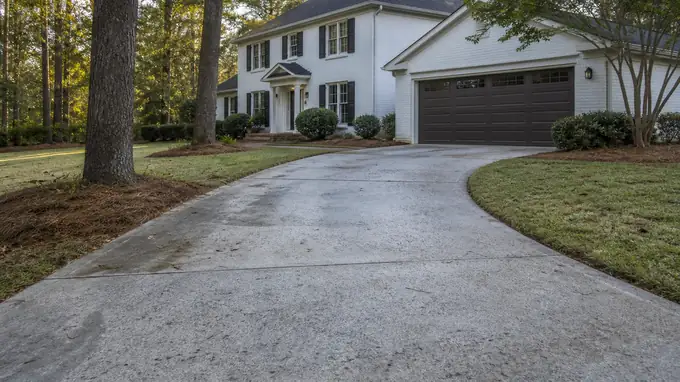
roof installation completed by a local contractor at a buff-brick ranch home in Madison, WI, under bright midday cloud.

Install Roofing

New construction and additions get the same build-up as a tear-off, laid on a clean deck from the start. Pitched sections usually take architectural asphalt shingles over synthetic underlayment. For flat and low-slope areas, such as a porch roof or a garage tied into the house, we install a fully adhered EPDM or TPO membrane. The seams, edge metal and wall terminations are detailed so water has nowhere to sit and nothing to get under.

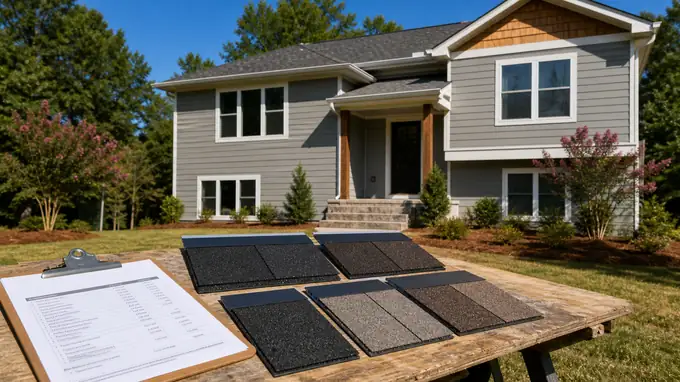
metal roof installation completed by a local contractor at a grey split-level home in Madison, WI, in clear late-morning sun.

Metal Roof Installation

Standing seam is the metal roof we install: steel panels with a baked-on painted finish, seams raised above the water line, fasteners hidden underneath. Each panel rides on clips so it can expand and contract without elongating screw holes, which is where exposed-fastener metal usually starts to leak. Underneath goes a high-temperature underlayment. We bend trim to fit the building on site and set snow guards above entries so a loaded slope doesn't release onto a walkway.

Why Monona Chooses Madison Precision Roofing

Most calls we get are about one leak, and most leaks start small: a lifted shingle, cracked flashing around a chimney, a vent boot that has split in the sun. We find the source before we touch anything. That means going into the attic, tracing the water back, and showing you what we found. If a repair will hold, we repair it. We only talk replacement when the roof is past saving.

The crew that inspects your roof is the crew that repairs it. We match materials to what is already up there, so a patched section does not stand out from the street. We handle the permit when one is needed and pick up the nails and old shingles before we go. A house in Monona or one across the line in Madison gets the same work, done the same way.

Choosing the Right Roofing System in Monona

Residential roofs mostly come down to three systems: asphalt shingles, standing seam metal, and a flat membrane over low-slope sections such as porches, garages and additions. Each one handles water in its own way. Shingles shed it in overlapping layers, and a damaged section can be repaired without touching the rest. Metal sheds snow and rain quickly in long panels, so the flashing at every wall, vent and chimney has to be right. Flat roofs depend on a sealed membrane and drainage that actually drains.

We start with the roof you already have and the building under it. The pitch settles a lot before anyone talks about materials. Then we look at the decking, the ventilation and the path water takes off the property. With about 36 inches of snow and 32 inches of rain a year, a system matched to the pitch outlasts one chosen for looks. Some roofs need a repair, not a replacement. When that is the case, we say so.

What Decides the Price of Roofing in Monona

Two Monona houses with the same footprint can come back with very different roofing estimates. Most of the difference sits in things you can check yourself from the driveway, a ladder at the gutter line, or the attic.

What changes the priceWhich wayWhy
Layers of shingles already on the roofCosts moreEach extra layer means more tear-off, more labor and more weight hauled away. You can often count them at the edge of the roof.
Soft or stained deckingCosts moreRotted sheathing has to come out before new materials go down. From the attic, look for dark patches, daylight or sag between rafters.
Pitch of the roofCosts more when steepA steep roof needs harnesses, roof jacks and slower, more careful work. A walkable pitch goes faster.
Room for the truck and dumpsterCosts less when clearA dumpster parked beside the house saves carrying debris by hand across a yard. Tight lots, fences and overhead lines slow everything down.
Chimneys, skylights and ventsCosts moreEvery penetration needs its own flashing. Old step flashing around a chimney is often rusted through and gets replaced, not reused.
Valleys and guttersCosts more when water backs upValleys carry the most water on any roof. If they hold debris or the gutters overflow, the flashing and underlayment there need more work.
Flat or low-slope sectionsCosts moreA porch roof or shallow dormer needs a membrane, not shingles. That is a separate installation.
How much ice and water barrier goes downCosts more with full coverageCovering the whole deck costs more than covering only the eaves and valleys. The estimate should say which, and where.

When you compare bids, line them up on the same points: how many layers come off, how much decking is allowed for, what underlayment goes where, and whether flashing is new or reused. A lower number that leaves one of those out is a different job.

Monona Questions

How long do asphalt shingles last?

It depends less on the label on the bundle than on what happens around it. Attic ventilation matters most: a hot, poorly vented attic bakes shingles from underneath and ages them early. Shingle grade matters too, and so does the installation, especially the nailing and the flashing at walls and chimneys. Architectural shingles generally outlast three-tab. On a Monona house, we read granule loss, curling and cracked tabs to tell you where yours actually stand.

How does attic insulation help prevent ice dams?

Ice dams start with heat. Warm air leaking out of the living space warms the roof deck, snow melts on the upper slope, and the water refreezes at the cold eaves. Good insulation and air sealing keep that heat downstairs, and proper ventilation keeps the deck cold and even. With around 36 inches of snow a year here, that balance does more than any heat cable. We check both before recommending repairs for leaks at the eaves.

Is hail damage covered by homeowners insurance?

Yes, in most policies, though the details belong to your insurer, not us. Sudden storm damage is usually covered; wear and age usually are not. Deductibles vary, and some policies treat older roofs differently. What we can do is inspect the roof, photograph bruised shingles, dented metal and damaged flashing, and write up what we find. You take that to your adjuster, and the claim itself stays between the two of you.

Can you install green roofs on existing commercial buildings, or only new construction?

Yes, existing buildings can take them, provided the structure can carry the weight. A saturated green roof is heavy, so the first step is a structural review of the deck and framing. Most retrofits also need a new waterproofing membrane and root barrier, since the old flat roof was never designed to sit under soil. If the building checks out, the installation runs much like any commercial roof replacement, with the planting layered on top.

Do green roofs really save energy costs?

Yes, though the savings are modest and depend on the building. Soil and plants add insulation and keep the membrane out of direct sun, which cuts cooling load most in summer. Single-story commercial buildings with large flat roofs see the most benefit, because so much of their exposed surface is roof. Energy alone rarely justifies one. Longer membrane life and stormwater protection usually carry the rest of the case.

Do you handle permits and building code compliance?

Yes. Madison Precision Roofing handles the permit for roofing work in Monona, and we build to the code that applies to the job: underlayment, flashing, ventilation and fastening. Where an inspection is required, it is part of our process, not an extra step for you. You should not have to track paperwork or work out which rules apply to your roof. That part is ours, and we plan the job around it from the start.

What to Expect on a Monona Roofing Job

An inspector checks the attic framing for water stains with a flashlight. at a painted-white-brick two-story home in Madison, WI, in early morning light.

Step 1: Roof Inspection

Someone climbs up and walks the whole roof, not just the corner above the ceiling stain. We check shingles for granule loss, cracked tabs and lifted edges, then look hard at the flashing around chimneys, vents and skylights, because that is where most leaks start. Inside, we go into the attic for damp sheathing, rusted nail tips and daylight where there shouldn't be any. You get photos of everything we find.

A roofer shows a homeowner asphalt shingle samples while reviewing the estimate. at a grey split-level home in Madison, WI, in clear late-morning sun.

Step 2: Written Estimate

The estimate lists the work line by line: what comes off, what goes on, which materials, and what we do if we find rot under the old layers. Repair or replacement, it says which and why. We name the shingle line, the underlayment and the flashing metal, so you can hold it up against anyone else's bid. Nothing on it is vague enough to mean two different things later.

Workers strip aging cedar shakes from a roof before replacement. at a grey split-level home in Madison, WI, in late afternoon light.

Step 3: Removal of Old Materials

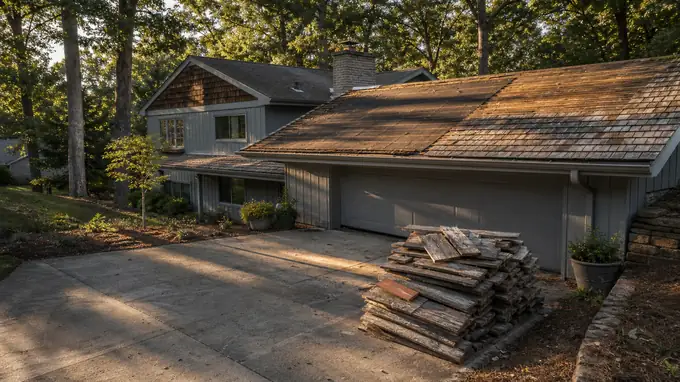
Tear-off starts at the ridge and works down, one section at a time, so the roof is never open wider than we can cover that day. Old shingles, felt, nails and rusted drip edge go straight into a dumpster or trailer, not onto your lawn. We lay tarps over beds and lean plywood against windows and siding. If rain moves in, the open section gets dried in before anyone climbs down.

A roofer replaces a rotted section of plywood roof sheathing with new board. at a brick-and-siding two-story home in Madison, WI, in early morning light.

Step 4: Deck Repair

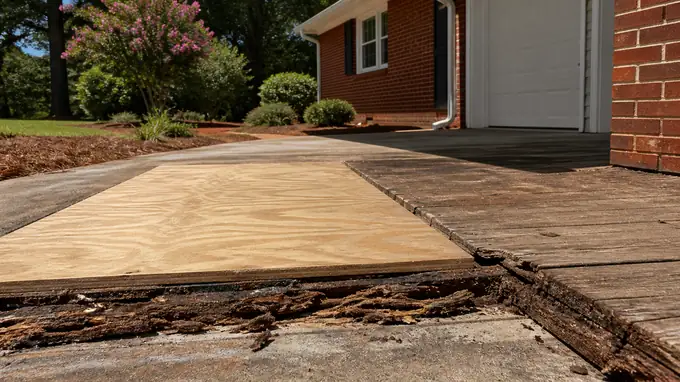
With the shingles off, the decking tells the truth. We walk every sheet, feeling for soft spots, and probe anything dark or delaminated. Rotted or spongy plywood and OSB gets cut back to the rafters and replaced with new sheathing of matching thickness, so the new roof lies flat. Loose boards get re-nailed. If a rafter underneath is cracked or stained through, we show you before we touch it. That is structural work.

A roofer rolls synthetic underlayment across a bare deck, overlapping each row. at a brick-and-siding two-story home in Madison, WI.

Step 5: Underlayment Installation

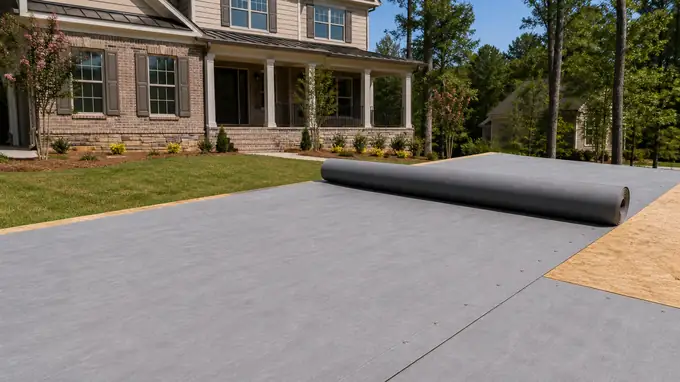
First down is ice and water shield, a self-adhering membrane that seals around every nail that passes through it. We run it up from the eaves, through the valleys and around chimneys and skylights, where snow sits and meltwater backs up. Snowfall here runs about 36 inches a year. Synthetic underlayment covers the rest of the deck, lapped and fastened to the manufacturer's pattern. New drip edge goes under the membrane at the eaves and over it at the rakes.

A roofer installs cedar shakes with careful spacing and stainless fasteners. at a tan-brick colonial in Madison, WI, in early morning light.

Step 6: Roofing Installation

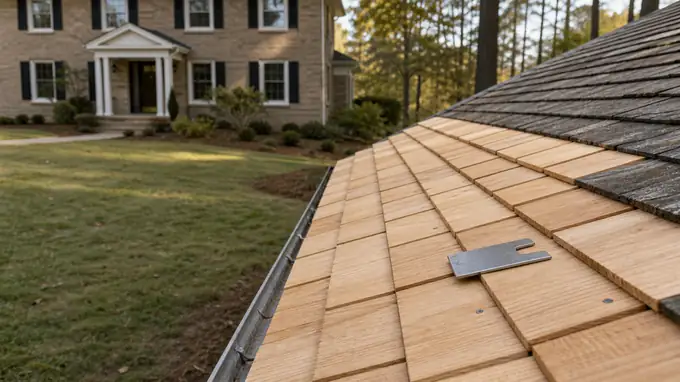
Shingles go on from the eaves up, starter strip first, each course nailed inside the manufacturer's nailing zone so wind can't peel them back. We bend new step flashing into every wall and chimney intersection rather than reusing old metal, and every pipe gets a new boot. Valleys are woven, closed-cut or open metal, depending on the pitch and what you chose. Ridge vent and cap shingles finish the top so the attic can breathe.

A roofer checks sealant around a chimney flashing before closing out the job. at a buff-brick ranch home in Madison, WI, in early morning light.

Step 7: Final Inspection

Before we call it finished, a different set of eyes walks the roof. They lift a shingle or two to check nail placement, look at every flashing joint, and confirm the vents are open and the valleys run clean. Then it's back into the attic to look for daylight at the penetrations. If the job needed a permit, we handle it and the inspection that comes with it. You get photos of the finished roof.

Workers fold up protective tarps laid over landscaping during the roof job. at a stacked-stone and stucco home in Madison, WI, in early morning light.

Step 8: Cleanup

Roofing nails are what people remember, usually by way of a tire. We run magnetic sweepers over the lawn, driveway, beds and street edge, then go over them a second time. Gutters get cleared of granules and scraps. Tarps come up, plywood comes off the windows, and the dumpster leaves with everything we tore off. Walk the yard with us before we go and point out anything we missed.

Get a Free Estimate

Request an Estimate

Tap to call +1 608-594-7071