+1 608-594-7071
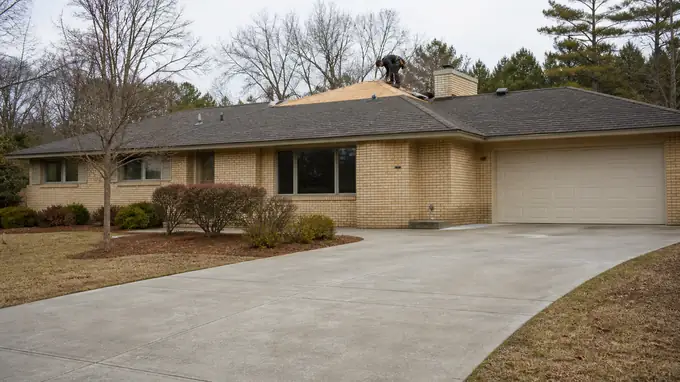
A finished roof photographed from across the yard, showing uniform shingle rows and clean flashing from ridge to eaves. at a tan-brick colonial in Madison, WI.

Roof Repair in Middleton, Wisconsin

A leaking roof usually doesn't need replacing. It needs someone to find where the water is getting in and fix that spot properly. We repair residential and commercial roofs: shingles lifted by wind, flashing pulled loose around a chimney or vent, flat roof seams that have opened up, and metal panels that have started to leak at the fasteners. The work is small, but it has to be right.

With about 36 inches of snow and 32 inches of rain a year here, a small gap in the roof gets plenty of chances to become a stained ceiling or a soft deck. We trace the leak to its source first, because the wet spot inside is rarely under the hole outside. Then we repair it with materials that match the roof. If your Middleton roof is leaking, call for a free estimate.

Call +1 608-594-7071

Request an Estimate

What We Do in Middleton

Image slot Roof Repair Near Me 680px · 16:9 · no image declared for this subject

Roof Repair Near Me

Most leaks we trace in Middleton start at the flashing, not the shingles. Step flashing behind siding lifts, the rubber boot around a vent pipe cracks, or sealant at a chimney dries out and lets water run under the counterflashing. We find where the water actually gets in, which is often a few feet uphill of the stain on your ceiling. Then we repair that spot with matching materials. Blown-off shingles and torn ridge caps get the same care.
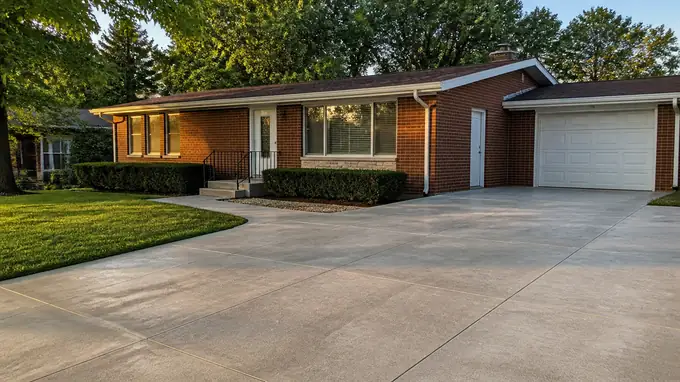
roof inspection completed by a local contractor at a red-brick ranch home in Madison, WI, in late afternoon light.

Roof Inspection

We walk the roof rather than judging it from the driveway. On top, that means checking for granule loss, soft decking underfoot, nail pops, cracked pipe boots and every run of flashing. Inside, we go up into the attic and look for daylight, damp sheathing, rusted nail tips and soffit vents blocked by insulation. We take photos as we go. Then we tell you plainly what needs repair now, what can wait, and what is fine.

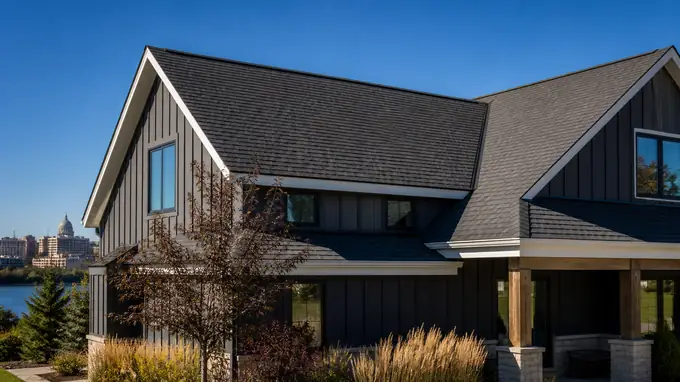
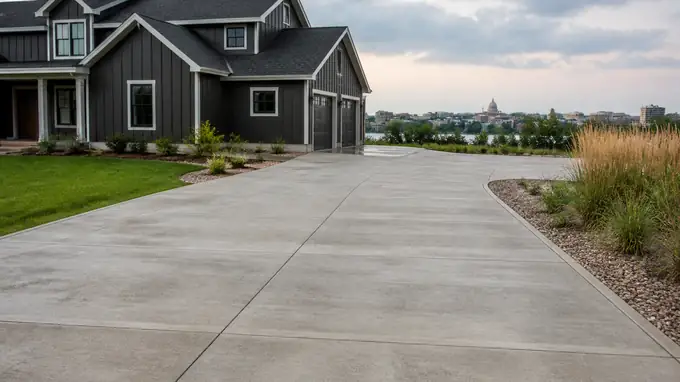
roof replacement completed by a local contractor at a charcoal farmhouse-modern home in Madison, WI, after a rain shower.

Roof Replacement

A replacement here means tearing off to the deck, not layering new shingles over old ones. Once the old roof is off, we can see the plywood or plank sheathing and replace any section that is soft or delaminated. Next comes ice and water shield along the eaves and in the valleys, synthetic underlayment over the rest, new drip edge, new flashing and proper ridge ventilation. With around 36 inches of snow a year to shed, the eave details matter.

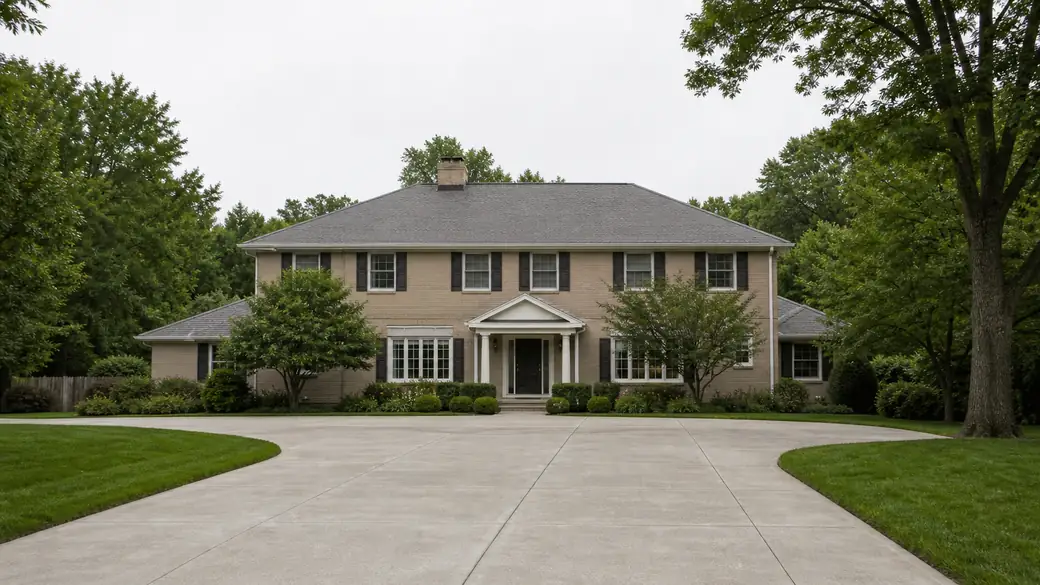
roof installation completed by a local contractor at a buff-brick ranch home in Madison, WI, under bright midday cloud.

Install Roofing

New construction and additions get the same system we build on a replacement, starting from bare sheathing. We lay out courses so the shingles line up across valleys and dormers. Every wall intersection is step-flashed piece by piece, never covered with one long bent strip. Low-slope sections over a porch or garage are the wrong place for asphalt shingles, so there we install a fully adhered EPDM or TPO membrane built for flat work. We handle the permit.

metal roof installation completed by a local contractor at a grey split-level home in Madison, WI, in clear late-morning sun.

Metal Roof Installation

Standing seam steel with concealed fasteners is what we install most often, because there are no screws through the panel face to back out and leak over time. Panels go down over a high-temperature underlayment and fasten with clips that let the steel expand and contract. Above entries and walkways, we fit snow guards so a roof full of snow does not slide off all at once. Trim, flashing and closures are formed to match the panel finish.

Why Middleton Chooses Madison Precision Roofing

We fix the cause of a leak, not the stain on the ceiling. Water rarely comes in where it shows up inside. It runs along decking and rafters first, so we trace it back to the flashing, the vent boot or the valley that actually failed. Then we tell you what we found, show you photos, and say plainly whether a repair will hold or the roof is past it.

Middleton gets about 36 inches of snow a year and around 32 inches of rain, and both find the same weak points: flashing at chimneys and walls, seams on flat sections, nails that have backed out. While we are up there, we check the whole roof, not only the spot you called about. Repair materials are matched to what is already on the building, so the patch blends in. Call for a free estimate.

Choosing the Right Roofing System in Middleton

The right roof depends on the pitch of the building, what sits under it, and how long you plan to stay. Asphalt shingles suit most residential roofs with a real slope, and they are the simplest to repair when a section takes damage. Standing-seam metal sheds water and snow quickly and asks for little maintenance. Flat and low-slope areas are different. Over porches, additions or commercial space, they need a membrane roofing system, because shingles cannot keep water out below a certain pitch.

Any of these has to handle about 32 inches of rain and 36 inches of snow a year. So before we suggest a material, we look at the parts that decide its performance: the flashing, the ventilation, and the decking underneath. Good materials laid over tired flashing still leak. We tell you plainly when a repair makes more sense than a replacement, and which system fits the building you actually have. Sometimes the answer is the roof you already own, with better details.

What Decides the Price of Roofing in Middleton

Most of what moves a repair price on a Middleton roof sits out of sight from the street. How many layers are already up there, what the deck underneath is doing, and how easily we can get materials up and debris down all count for more than the square footage. Nearly all of it is something you can check yourself.

What changes the priceWhich wayWhy
Layers of shingles already on the roofCosts more with each layerEvery old layer comes off before we can see the deck, and tear-off means labor and disposal.
Soft or stained deckingCosts moreWet plywood won't hold a nail, so those sheets get replaced before anything new goes down.
Steep pitchCosts morePast a walkable angle we set roof jacks and harnesses, and every task slows down.
Open driveway to the eavesCosts lessA truck or dump trailer that backs right up saves hours of carrying by hand.
Chimneys, skylights and pipe ventsCosts more with each oneEach penetration gets its own flashing, and these are where we find a lot of leaks.
Flat or low-slope sectionsCosts moreWater sits on them, so they need a membrane system rather than shingles.
Gutters that drain clearCosts lessWater backing up at the eaves rots fascia and deck edges, and that repair adds to the job.
Attic vents already in placeCosts lessAdding ventilation means cutting into the deck and flashing new openings.

Comparing bids side by side tells you more than the totals do. Check whether each one says how many layers come off, how much deck replacement is included, and whether the flashing is new or reused. Two numbers that look far apart often describe two different jobs.

Middleton Questions

Are cedar shakes treated for fire resistance?

Some are, and some are not. Untreated cedar is split or sawn wood, and it burns like wood. Fire-retardant shakes are pressure-treated at the mill, so the treatment goes into the fibre instead of sitting on the surface. The rating comes from the manufacturer, and we show you the product label before anything is ordered. If you want treated shakes on your roof, we source them and install them to the maker's instructions.

What materials do you use for reinforcement?

Most of it goes on before the shingles. We lay a self-adhered ice and water membrane along the eaves, in the valleys and around every penetration, then a synthetic underlayment over the rest of the deck. Soft or rotted sheathing gets cut out and replaced with new plywood. Metal drip edge and step flashing close off the edges. With about 36 inches of snow a year in this area, the eaves are where that membrane earns its keep.

Does Madison Precision Roofing work on large industrial, warehouse, and manufacturing facilities in Middleton, WI?

Yes. A big flat roof is mostly a question of scale and access, and we plan for both before a crew goes up. We look at the membrane, the drains, the flashing at every curb and parapet, and how water actually leaves the building. Repairs can often be done in sections so the floor below keeps working. For a full replacement on a large facility, we walk the roof with you first and write the scope from what we find.

What causes green moss and algae growth on roofs?

Moisture that never quite dries out. Shade from trees, a north-facing slope, and leaves packed into valleys all hold water against the shingles longer than sun and wind would. Around Middleton, with roughly 32 inches of rain a year, a shaded roof stays damp long enough to give spores a start. The dark streaks are usually algae. The green cushions are moss, and moss lifts shingle edges as it grows.

What types of commercial roofs do you work on?

Flat and low-slope roofs make up most commercial work: EPDM rubber, TPO and PVC single-ply membranes, modified bitumen, and older built-up tar and gravel. We also repair and install standing seam metal roofing on commercial buildings. Repairs usually start at the flashing, seams and drains, because that is where leaks begin. On a building with a mixed roof, say a pitched front section and a flat rear, we handle both parts as one job.

What preventive measures can I take to reduce moss growth between professional cleanings?

Keep the roof dry and clear. Trim back branches so sunlight reaches the shingles, and clean gutters and valleys each spring and fall so debris cannot sit and hold water. A strip of zinc or copper just below the ridge lets rain carry trace metal down the slope, which slows new growth. Skip the pressure washer; it strips the granules that give shingles their protection. If moss has already lifted edges, call us for a free estimate.

What to Expect on a Middleton Roofing Job

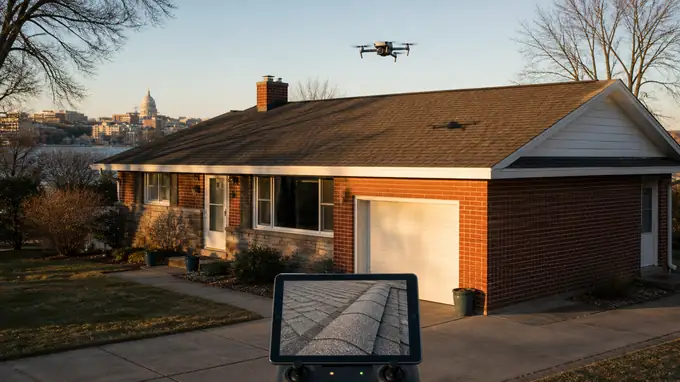
A drone hovers over a steep roof to photograph areas too high to reach by ladder. at a red-brick ranch home in Madison, WI, in late afternoon light.

Step 1: Roof Inspection

We get on the roof, not just look at it from the driveway. We check the shingles for granule loss, cracked tabs and lifted edges, then look hard at the flashing around chimneys, vents and skylights, because that is where most leaks start. In the attic we look for stained sheathing, damp insulation and nail tips that are rusting or dripping. Soft spots underfoot get marked. You see the photos we take, so you know what we saw.

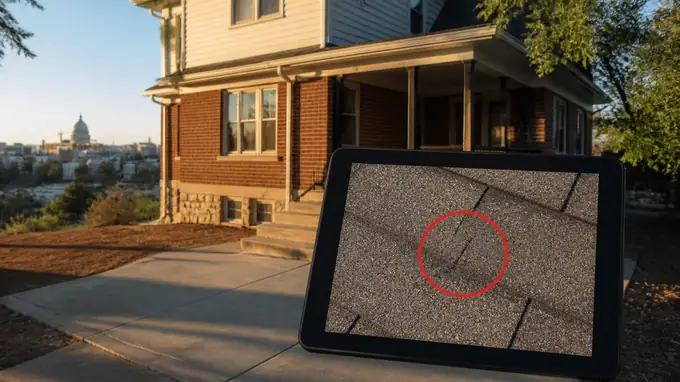
A roofer scrolls through inspection photos on a tablet while preparing the homeowner's estimate. at a brick-and-siding two-story home in Madison, WI.

Step 2: Written Estimate

The estimate lists what we found and what we plan to do about it, line by line. It names the shingle line and color, the underlayment, which flashing and drip edge get replaced, and any ventilation changes the attic needs. Deck replacement is written as a per-sheet item, since nobody knows how much rot sits under an old roof until it comes off. If something is optional, the estimate says so.

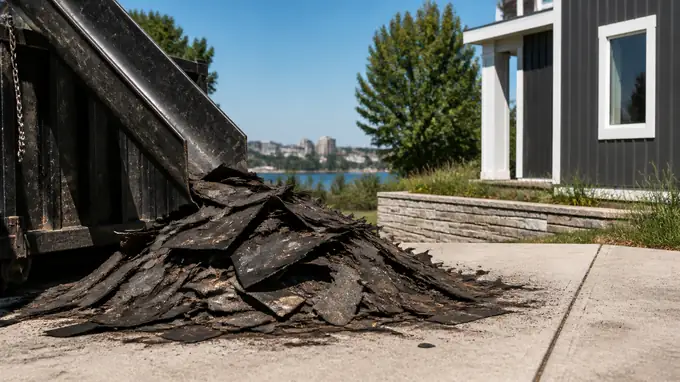
Workers tear off old shingles and toss them down a debris chute. at a charcoal farmhouse-modern home in Madison, WI, in clear late-morning sun.

Step 3: Removal of Old Materials

Tear-off goes down to bare decking. We strip every layer of shingles, the old felt and all the nails, because laying new shingles over old ones hides problems and adds weight the framing has to carry. Tarps cover the landscaping, and a trailer or dumpster sits close to the drop line. We open only as much roof as we can dry in the same day, so a passing storm finds underlayment, not open wood.

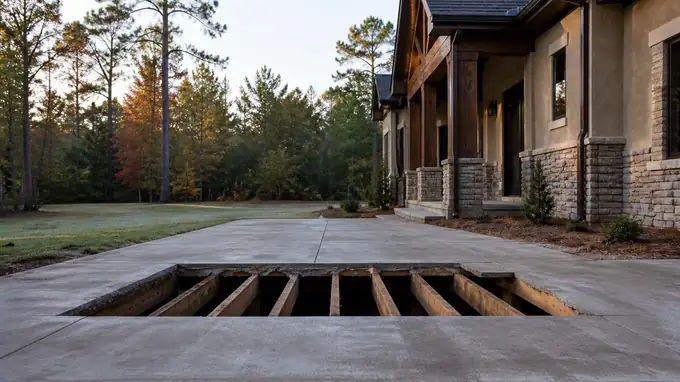
A roofer checks exposed roof rafters for daylight gaps before sheathing goes back down. at a painted-white-brick two-story home in Madison, WI.

Step 4: Deck Repair

With the old roof off, the decking tells its own story. We walk every sheet and replace anything soft, delaminated or blackened around old leaks, cutting in OSB or plywood that matches the existing thickness so the new roof lies flat. Loose boards get renailed to the rafters with ring-shank nails. Where sheets butt too tight, we leave an expansion gap. A cracked or sagging rafter is structural, so we stop and show you before going further.

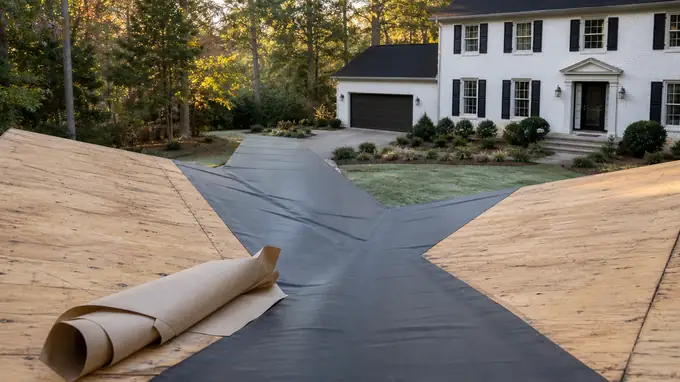
A roofer installs ice-and-water shield in a roof valley before the main underlayment. at a painted-white-brick two-story home in Madison, WI.

Step 5: Underlayment Installation

Over bare wood, the first layer is ice and water shield: a self-adhering membrane that seals around every nail driven through it. This area averages about 36 inches of snow a year, so it goes along the eaves, up the valleys and around chimneys and skylights, where meltwater backs up under ice. The rest of the deck gets synthetic underlayment, lapped and fastened in rows, with metal drip edge along the eaves and rakes.

A roofer fits new flashing around a roof vent during shingle installation. at a brick-and-siding two-story home in Madison, WI, in late afternoon light.

Step 6: Roofing Installation

Shingles go on in the pattern the manufacturer prints on the wrapper, with starter strip at the eaves and every nail placed in the nail line, not above it. High nails are a common reason shingles blow off. We replace pipe boots, step-flash each course where the roof meets a wall, and set counterflashing into the chimney mortar. Ridge vent or box vents go in sized to match the intake the attic already has.

A contractor and homeowner walk the yard for a final look at the completed roof. at a charcoal farmhouse-modern home in Madison, WI.

Step 7: Final Inspection

Before the crew leaves, someone who did not install the roof walks it. They check that every shingle is sealed flat, the flashing is tight, the valleys are clean, and no nail heads sit exposed. Pipe boots and vents get a second look. In the attic, we confirm air is moving through the new vents. We handle the permit, and if an inspection is required, we are there when the inspector walks the job.

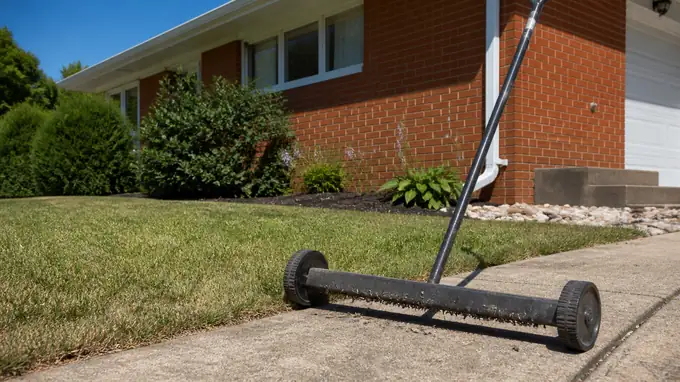
A worker pushes a magnetic sweeper across the lawn to collect stray nails. at a red-brick ranch home in Madison, WI, in clear late-morning sun.

Step 8: Cleanup

Magnetic sweepers go over the lawn, driveway, beds and street, more than once, because roofing nails land farther from the house than anyone expects. Gutters get cleared of granules and scraps. The tarps come off the plantings, and the trailer or dumpster leaves with the old materials in it. Then we walk the property with you, point out what we replaced, and hand over the photos of the deck and flashing work.

Get a Free Estimate

Request an Estimate

Tap to call +1 608-594-7071