+1 608-594-7071
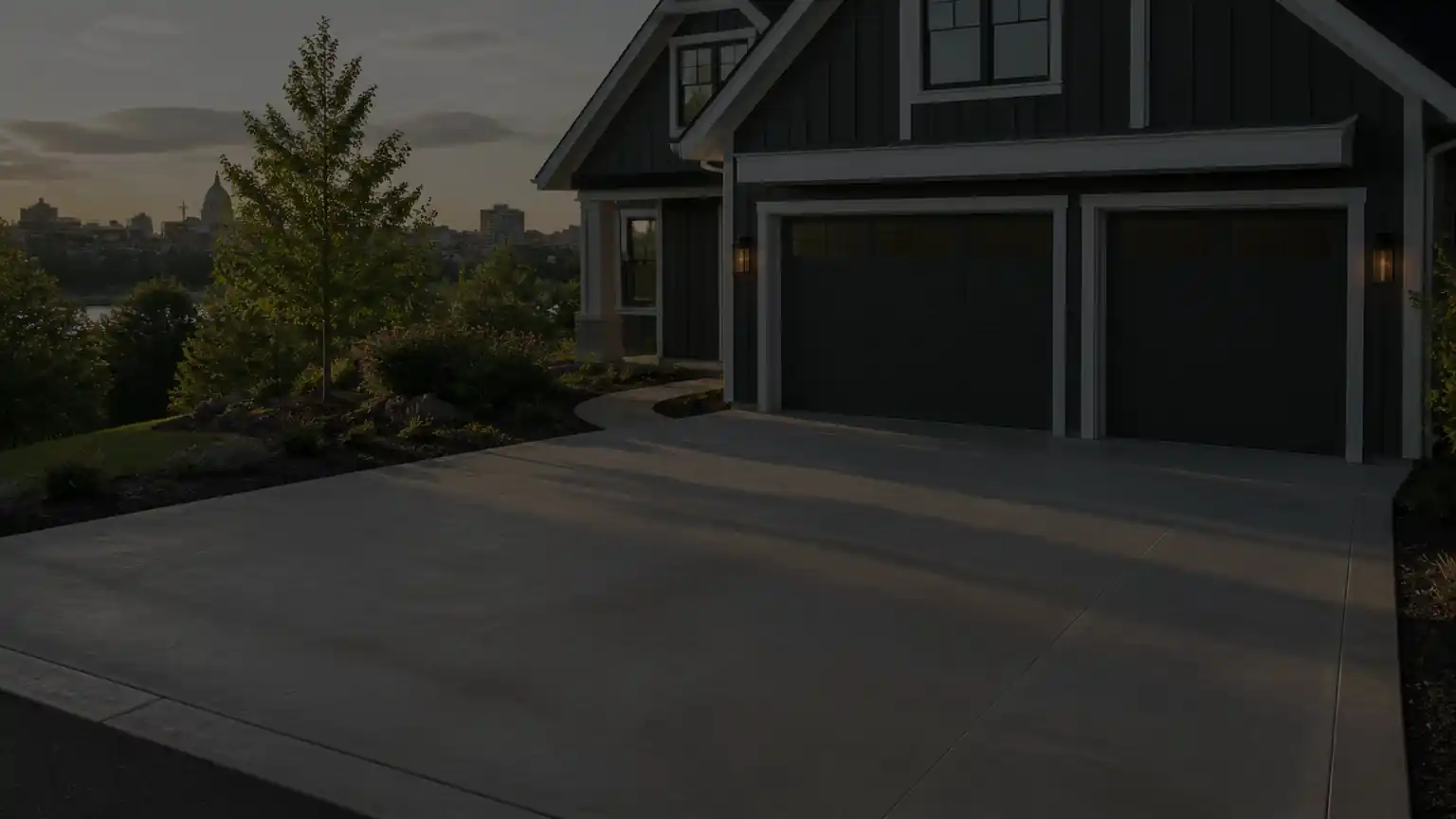
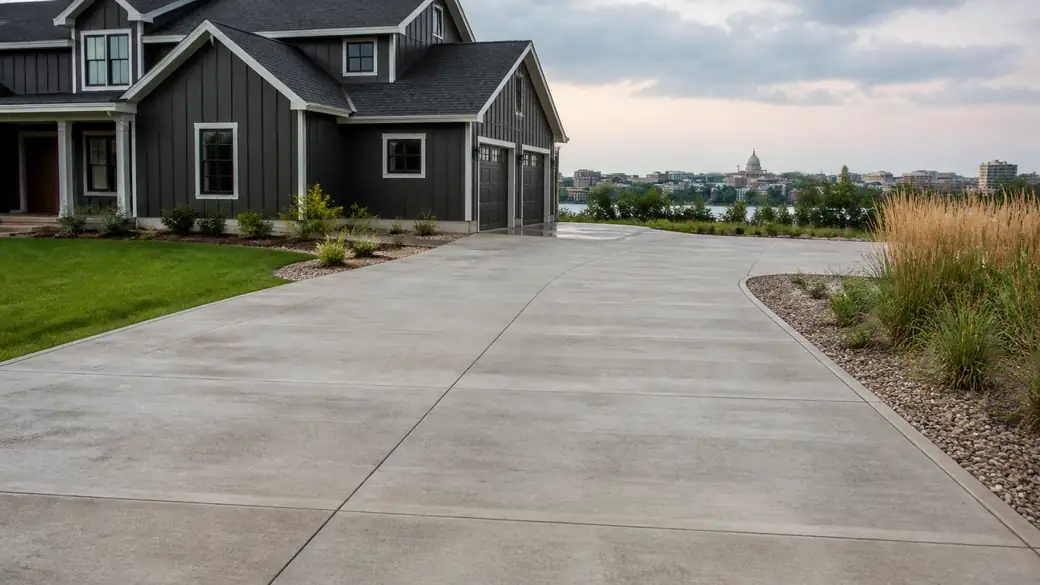
roof replacement completed by a local contractor at a charcoal farmhouse-modern home in Madison, WI, after a rain shower.

Roof Replacement in Madison, WI

Replacing a roof means stripping it down to the deck, fixing whatever we find underneath, and installing a new roofing system that keeps water out for the long run. The median home in Madison was built in 1979, so we go in expecting soft decking, worn flashing and old repairs stacked on top of each other. A roof here also carries about 36 inches of snow and 32 inches of rain a year.

What a tear-off and replacement costs depends on a few plain things: the size and pitch of the roof, how many layers come off, how much decking needs replacing, and which materials you pick. We walk the whole roof and check the deck, flashing and ventilation before we put a number on paper. That way the estimate covers the actual job. Call us for a free estimate.

Call +1 608-594-7071

Request an Estimate

What Roof Replacement Involves

Image slot Roof Repair Near Me 680px · 16:9 · no image declared for this subject

Roof Repair Near Me

A leak rarely starts where the stain shows up. Water gets in at a lifted shingle, a cracked pipe boot or a gap in the step flashing, then runs along the decking before it drips. We trace it back to the source, replace the damaged shingles or flashing, and seal it properly. If the decking underneath has gone soft, we tell you so. Patching over rot only buys a season.
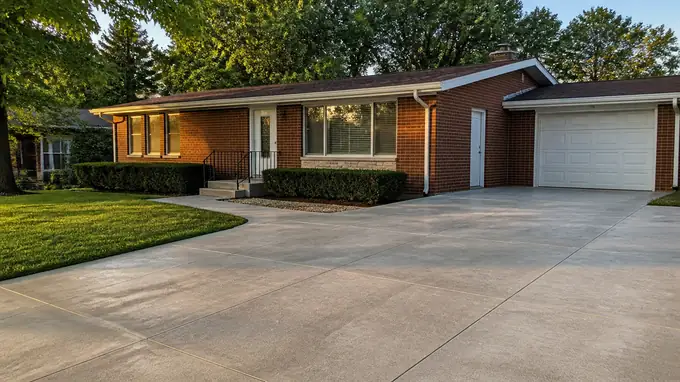
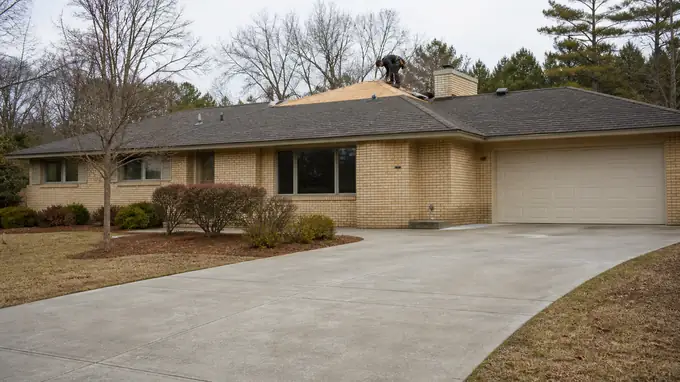
roof inspection completed by a local contractor at a red-brick ranch home in Madison, WI, in late afternoon light.

Roof Inspection

We walk the roof, not just look at it from the driveway. That means checking for granule loss, cupped or curling shingles, popped nail heads, and flashing pulling away from chimneys and sidewalls. In the attic we look for daylight, damp sheathing and poor ventilation. With about 36 inches of snow a year, we also check the eaves for signs of ice damming. You get a plain account of what we found and what can wait.

Roof Replacement

A full replacement means tearing off down to the deck, not layering new shingles over old ones. Once the old roof is off, we can see the sheathing and cut out any plywood that is soft or delaminated. The cost of a tear-off turns mostly on three things: how many layers come off, how much decking needs replacing, and how steep the pitch is. With the median home here built in 1979, we count the layers before we price anything.

roof installation completed by a local contractor at a buff-brick ranch home in Madison, WI, under bright midday cloud.

Install Roofing

Installation starts with a deck that is clean, dry and nailed tight. Ice and water shield goes along the eaves and into the valleys, synthetic underlayment covers the rest, and new drip edge runs every edge. Step flashing is laid piece by piece where the roof meets a wall. Pipe boots get replaced, not reused. Shingles go on to the manufacturer's nailing pattern, and a ridge vent finishes the job so the attic can breathe.

Our Warranty and Guarantee

A roof carries two kinds of coverage, and they are worth keeping apart. The materials maker usually covers the shingles, membrane or metal panels against defects. The installer covers the labor. Ask any roofer to show both in writing before work starts, and read what voids them: skipped ventilation, mixed brands, or a second layer laid over the old one.

Paper only goes so far. What keeps water out is the detail work: flashing at chimneys and walls, sealed valleys, and eaves built for about 36 inches of snow and 32 inches of rain a year. That is where we spend our time on every residential and commercial roof. Call for a free estimate and ask us what we cover.

Roofing Systems and Materials for Madison

Asphalt architectural shingles go on most of the residential roofs we replace, and for good reason: they are heavier than the old three-tab style, lie flatter, and hold up better in wind. Standing seam metal suits owners who plan to stay a long time. Flat and low-slope sections, like a porch roof or a rear addition, get a single-ply membrane instead. Shingles on a flat roof leak. They always do.

Madison gets about 36 inches of snow a year, so what goes under the roofing matters as much as what goes on top. We run ice and water membrane along the eaves and valleys, replace the flashing at chimneys and walls rather than reusing it, and check the attic ventilation before the deck is closed up. Material is one of the main things that sets the cost of a tear-off, so the estimate lays each option out side by side.

How Much Does Roof Replacement Cost in Madison?

Two roofs with the same footprint can end up priced far apart once the old covering comes off. Most of the difference sits in things you can see from the yard or the attic. The median house here was built in 1979, which is old enough that it pays to know what is already up there before you compare numbers on a tear-off and replacement.

What changes the priceWhich wayWhy
Layers of shingles already on the roofcosts more with each layerEvery layer is torn off, loaded and dumped by weight. Look at the edge of the roof or a gable end and count them.
Condition of the deckingcosts more if it's softSagging between rafters or dark stains on the attic side mean sheathing gets replaced before anything new goes down.
Pitchcosts more when steepA roof you can't walk needs harness lines and staging, and every bundle moves slower.
Where the truck and dumpster can sitcosts more when it's farA driveway beside the house lets debris drop straight in. A fence, a tight lot or a house on a slope means hand-carrying.
Chimneys, skylights, dormers and valleyscosts more with each oneEach gets its own flashing, cut and sealed by hand. These are where most leaks start, so the work is slow on purpose.
Low-slope or flat sectionscosts moreA porch roof or addition too flat for shingles needs a membrane system, which is a separate installation.
Attic ventilationcosts more if it's lackingAdding ridge vent or opening blocked soffits is done while the roof is open, not after.

When you line up bids, check that each one counts the same number of layers and says how much decking replacement is included. Look for whether flashing is new metal or reused, whether ventilation is part of the job, and who hauls the debris and sweeps for nails. A bid that leaves these out is rarely the lower one by the end.

Frequently Asked Questions About Roof Replacement in Madison

How is the appropriate membrane thickness determined for an industrial building?

We start with what the roof has to live with. Foot traffic to rooftop units, the insulation board underneath, how water drains toward the scuppers, and whether the membrane is mechanically fastened, adhered or ballasted all push the choice one way or another. Then we check the manufacturer's specification for the full roofing system, because thickness only matters if the whole assembly is rated together. More equipment and more traffic usually mean a heavier sheet and walkway pads.

Do you remove ice dams during service?

Yes. If we find an ice dam on a service call, we clear it with low-pressure steam, which cuts through the ice without chipping shingles or tearing flashing. Hammers and shovels do more damage than the ice does. Clearing it only buys time, though. Ice dams form when attic heat melts snow and the water refreezes at the cold eave, so we also look at the ventilation and insulation behind it. With about 36 inches of snow a year here, that second step matters.

Do cool roofs work in winter, or do they increase heating costs?

They work, and the winter penalty is smaller than most people expect. A reflective roof does give up some free solar heat in the cold months, but winter sun is lower and weaker, so there is less of it to lose. When snow covers a roof, it reflects most of that sunlight anyway. For a heated building, the insulation under the membrane does far more for the heating bill than the color on top. We weigh both before recommending one.

Are seamless gutters better for Madison homes?

Yes, for most houses. The gutter is formed on site from a continuous run of metal, so the only joints are at the corners and downspouts. Fewer joints mean fewer places for water to drip behind the fascia and fewer seams for ice to pry apart. With around 32 inches of rain and 36 inches of snow a year, gutters here carry a lot of water. We size them, and the downspouts, to the roof area they drain.

How long does re-pitching take?

Longer than a straight replacement, since we are building new framing and not just laying new roofing. Converting a flat or low-slope roof to a pitched one starts with a structural review, because the walls and ceiling joists have to carry the new load. We handle the permit. From there, the pace depends on the size and shape of the building, how much sheathing and flashing the new roof lines create, and the weather. Your schedule comes from the design, not a rule of thumb.

Are asphalt shingles compliant with Title 24?

Yes, some are. That code sets reflectance requirements for roofs in certain climate zones, and several asphalt shingle lines use reflective granules to meet them. The product has to carry a rating from the Cool Roof Rating Council to count. It is another state's energy standard, so it does not govern a house in Madison, where roofs are built to Wisconsin's code. If a cool-rated shingle suits your home anyway, we can install one.

How a Roof Replacement Job Runs in Madison

An inspector checks the attic framing for water stains with a flashlight. at a painted-white-brick two-story home in Madison, WI, in early morning light.

Step 1: Roof Inspection

We start on the roof, not from the driveway. We walk the field, lift a few shingle tabs, check where the nails landed, and look hard at the flashing around chimneys, vents and sidewalls. Then we take a light into the attic and look for dark sheathing, rusted nail tips and daylight where there shouldn't be any. Soft spots underfoot show where water has reached the deck. On a house built around 1979, the median year here, we also count the layers.

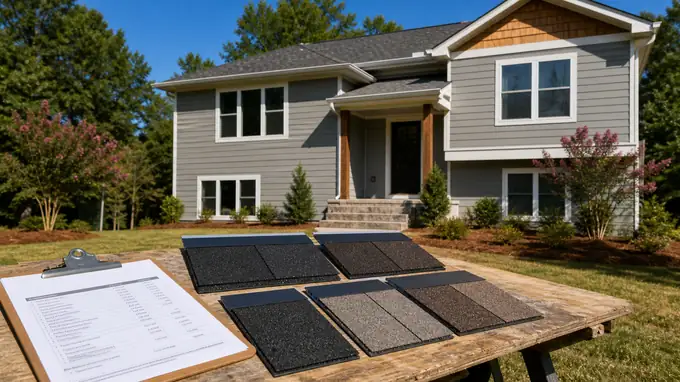
A roofer shows a homeowner asphalt shingle samples while reviewing the estimate. at a grey split-level home in Madison, WI, in clear late-morning sun.

Step 2: Written Estimate

Everything we found goes on paper. What a tear-off and replacement costs comes down to things we can measure: the roof's area in squares, how many layers come off, the pitch, how many valleys and penetrations it has, and how much deck needs replacing. The estimate lists each of those, plus the shingle line, underlayment, flashing and ventilation we plan to use. Deck damage can hide until the old roof is off, so the estimate shows how replacement sheets are counted.

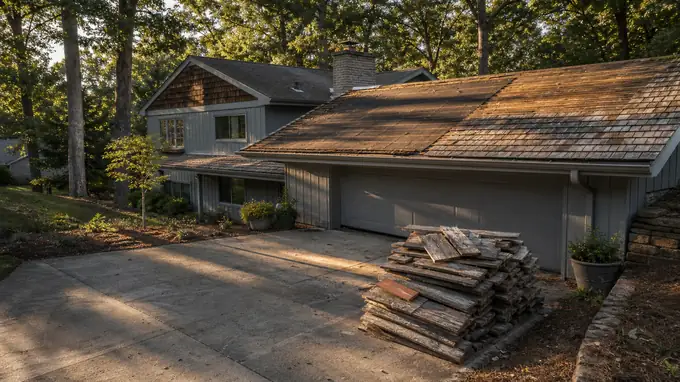
Workers strip aging cedar shakes from a roof before replacement. at a grey split-level home in Madison, WI, in late afternoon light.

Step 3: Removal of Old Materials

Tear-off begins with protection on the ground. Tarps cover plantings and the foundation line, plywood leans over windows below the eaves, and the dumpster sits on boards so it doesn't mark the driveway. We strip to bare deck: shingles, old felt, drip edge and every nail. Roofing over an old layer hides rot and leaves new shingles fastened to something that shifts. We only open as much roof as we can dry in before the crew leaves that day.

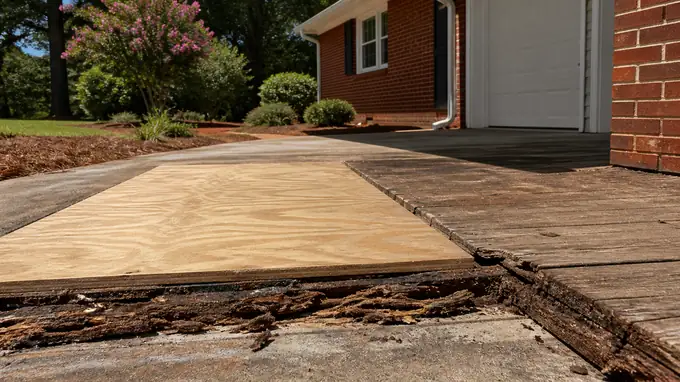
A roofer replaces a rotted section of plywood roof sheathing with new board. at a brick-and-siding two-story home in Madison, WI, in early morning light.

Step 4: Deck Repair

Once the deck is bare, we find out what the inspection could only suggest. We walk every sheet and cut out anything soft, delaminated, or blackened around a vent, valley or chimney. New plywood or OSB goes in at the same thickness as the sheets beside it, so the finished roof lies flat instead of showing a ridge. Loose sheets get renailed to the rafters. Plank decks with wide gaps are sheathed over, because shingles need solid, continuous backing to seal.

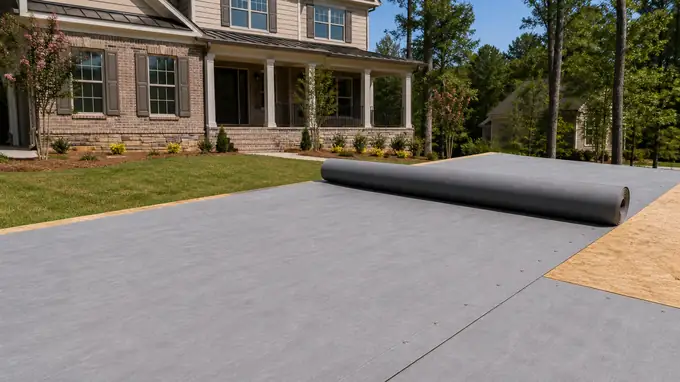
A roofer rolls synthetic underlayment across a bare deck, overlapping each row. at a brick-and-siding two-story home in Madison, WI.

Step 5: Underlayment Installation

Ice and water shield goes down first, a self-adhering membrane that seals around every nail, laid along the eaves, in each valley, and around chimneys and skylights. The area averages about 36 inches of snow a year, and meltwater backing up under the lower courses is where many winter leaks start. Synthetic underlayment covers the rest of the deck, lapped so water runs over each seam, never into it. Drip edge sits under the membrane at the eaves and over it on the rakes.

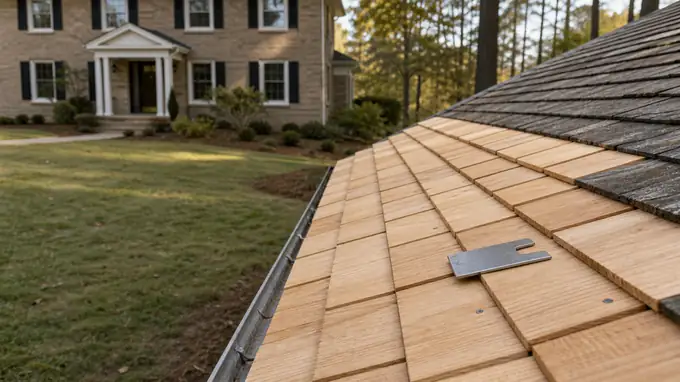
A roofer installs cedar shakes with careful spacing and stainless fasteners. at a tan-brick colonial in Madison, WI, in early morning light.

Step 6: Roofing Installation

With the deck dried in, a starter strip goes along the eaves and rakes so the first course has sealant where wind lifts an edge. Every shingle is nailed inside the manufacturer's nail line; a nail set high is the most common reason shingles blow off. New step flashing goes in at each wall, one piece per course, with counterflashing cut into the chimney mortar. Pipe boots and vents are replaced, not reused. Ridge vent and cap finish the top.

A roofer checks sealant around a chimney flashing before closing out the job. at a buff-brick ranch home in Madison, WI, in early morning light.

Step 7: Final Inspection

A second walk-through comes last. We check every flashing detail, look for exposed nail heads, confirm the ridge vent is actually open to the attic, and go back inside to look for light at pipes and vents. Anything off gets fixed while the crew and ladders are still there. We handle the permit, so when an inspection is required, we schedule it and meet the inspector on site.

Workers fold up protective tarps laid over landscaping during the roof job. at a stacked-stone and stucco home in Madison, WI, in early morning light.

Step 8: Cleanup

Nails are what homeowners find weeks later, in a tire or a bare foot. So we run a magnetic sweeper over the lawn, beds, driveway and street, then make a second pass in the other direction. Gutters get cleared of granules and shingle scraps. Tarps come up, the dumpster leaves, and the plywood we leaned against the house goes with it. The property should look the way it did before the tear-off, with a new roof on it.

Get a Free Estimate

Request an Estimate

Tap to call +1 608-594-7071