+1 608-594-7071
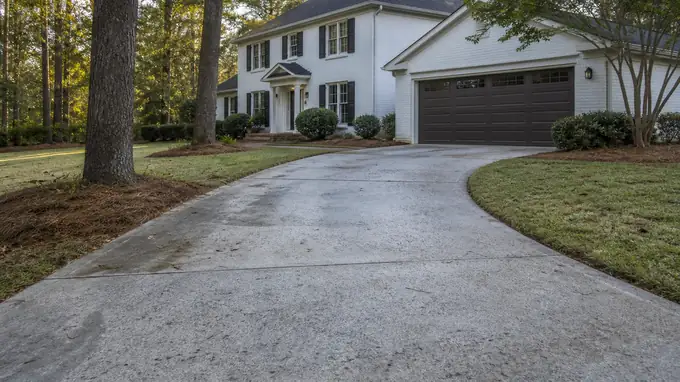
flat roof repair completed by a local contractor at a painted-white-brick two-story home in Madison, WI, under bright midday cloud.

Flat Roof Repair in Madison, WI

A flat roof fails quietly. Water finds a split seam or a lifted edge of flashing, runs along the deck, and shows up as a stain two rooms away from where it got in. We repair flat and low-slope roofs on homes and commercial buildings across Madison, tracing each leak back to its source before we cut anything open. That way the repair lands where the damage actually is.

About 32 inches of rain and 36 inches of snow fall here in a typical year, and a flat roof has to hold all of it until it drains. The median home in the area was built in 1979. On a roof that age we check every seam, drain and penetration, not only the spot that is dripping. Then we fix what is failing and tell you plainly what can wait. Call for a free estimate.

Call +1 608-594-7071

Request an Estimate

What Flat Roof Repair Involves

Image slot Roof Repair Near Me 680px · 16:9 · no image declared for this subject

Roof Repair Near Me

Most flat roof leaks start at a seam, a drain or a piece of flashing, not in the open field of the membrane. Water can travel a long way under a flat roof before it shows on a ceiling, so we trace it to the real entry point before we cut anything. Then we repair with what the roof already has: EPDM with EPDM, TPO with heat-welded TPO, modified bitumen with a matching cap sheet.
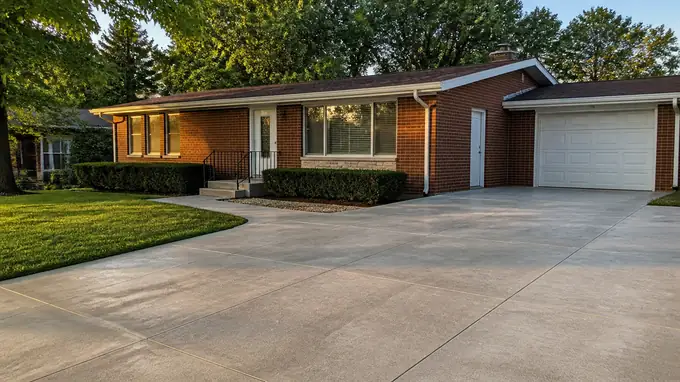
roof inspection completed by a local contractor at a red-brick ranch home in Madison, WI, in late afternoon light.

Roof Inspection

We walk the whole roof, not just the spot over the stain. We look for ponding water that sits long after a rain, blisters and alligatoring on older asphalt surfaces, shrunken EPDM pulling away from walls, and TPO seams that have lost their weld. Flashing gets the closest look: parapet caps, pipe boots, curbs around rooftop units, and the edges of drains and scuppers. You get photos and a plain account of what needs doing now and what can wait.

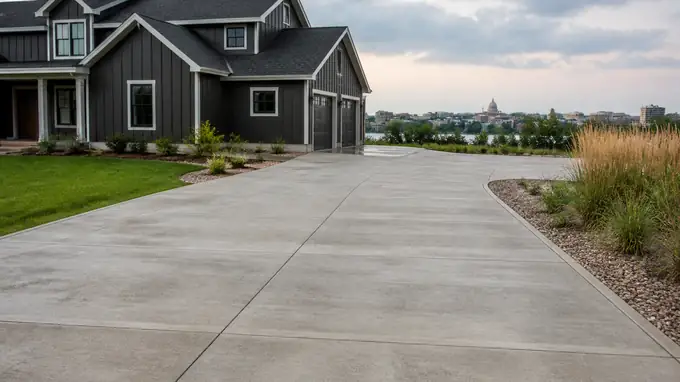
roof replacement completed by a local contractor at a charcoal farmhouse-modern home in Madison, WI, after a rain shower.

Roof Replacement

Sometimes patching stops making sense. If the insulation under the membrane is wet across a wide area, or the patches themselves are leaking, we tear off to the deck. We check the decking for rot or rust, replace damaged sections, and lay tapered insulation so water runs to the drains instead of pooling. The median home around Madison was built in 1979, so we check for older layers under the current covering and take those off too.

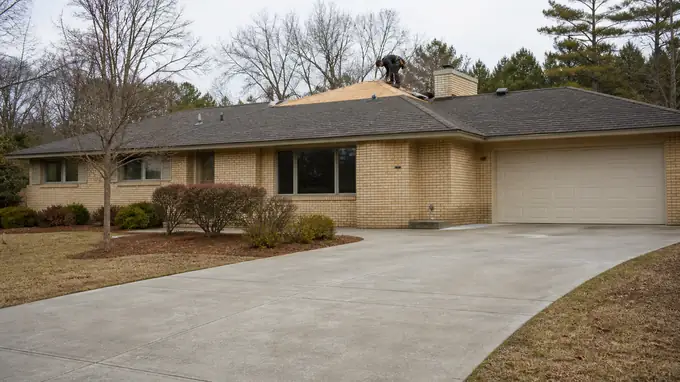
roof installation completed by a local contractor at a buff-brick ranch home in Madison, WI, under bright midday cloud.

Install Roofing

A flat roof is only as good as its edges and seams. We fully adhere or mechanically fasten the membrane depending on the deck, use a scrim-reinforced sheet where the roof sees foot traffic, and run flashing up walls and curbs well past the waterline. TPO seams are hot-air welded and probed along their full length. EPDM seams get primer and seam tape. With around 36 inches of snow a year, we set drains and scuppers so meltwater leaves the roof instead of sitting against a seam.

Our Warranty and Guarantee

A flat roof repair is only worth what it does the next time water sits on it. We find where the leak starts, not just where it drips, and fix the flashing, seams and membrane around it with matching materials. Before we pack up, we photograph what we opened and what we replaced, so you can see the work yourself.

Ask any roofer, us included, what they stand behind, and get it in writing before work starts. Good terms say what is covered, for how long, and what voids it. Read them against the job itself. A patched seam and a full membrane replacement are different work, and 36 inches of snow a year tests both.

Roofing Systems and Materials for Madison

Most flat roofs we open up are one of four systems: EPDM rubber, TPO, modified bitumen, or older built-up tar and gravel. The median home in Madison was built in 1979, so we never assume the membrane on top is the only one. We cut a test section, identify what is actually there, and match repair materials to it. Patching one system with an incompatible one is how leaks come back.

Water does its damage at the edges. Madison sees about 32 inches of rain and 36 inches of snow a year, and on a flat roof all of it has to leave through a handful of drains, scuppers and gutters. The open field of a membrane rarely fails first; seams, penetrations and flashing do. We rebuild those details on every repair, tying new flashing into the existing system rather than smearing sealant on top.

How Much Does Flat Roof Repair Cost in Madison?

Price on a flat roof repair comes from what is already up there and what it takes to reach it. Two roofs with the same footprint can land far apart once we open them up. On a house built around 1979, the median year here, it is worth asking how much has been done to the roof since. Most of what moves the number is something you can check yourself before anyone climbs a ladder.

What changes the priceWhich wayWhy
Layers already on the deckcosts moreEvery old membrane and board has to come off and be hauled away before new material goes down.
Wet insulation under the membranecosts moreSoaked board holds water against the deck, so it gets cut out and replaced rather than covered.
Soft or rotted deckingcosts moreStructural repairs to the deck come before any membrane work can start.
Water still standing two days after raincosts morePonding usually means adding tapered insulation or a new drain to move water off.
Rooftop units, vents and skylightscosts moreEach curb and penetration gets its own flashing, and that is slow, careful hand work.
A clear driveway to the roof edgecosts lessA truck parked close to the wall lets us lift materials straight up instead of carrying them in by hand.
Thicker or fabric-reinforced membranecosts more up frontMore material and heavier seams, chosen for performance under foot traffic and a winter of snow.
Sound edge metal and parapetscosts lessIf the perimeter flashing is tight, we tie into it rather than rebuilding the edge.

When you compare bids, line them up on scope, not the bottom number. Check whether each one tears off or covers over, how it handles wet insulation found along the way, which membrane and thickness it names, and whether flashing at every curb and drain is written in. A lower bid that leaves those out is often pricing a smaller job.

Frequently Asked Questions About Flat Roof Repair in Madison

What is the lifespan of a TPO vs. EPDM flat roof?

EPDM has the longer track record. It is a thick rubber sheet that has been going onto flat roofs for decades, and its weak point is the seams, which are glued or taped rather than welded. TPO is newer and lighter, with heat-welded seams that are stronger from the first day. How long either one lasts depends less on the product than on the installation, the drainage, and how much foot traffic it sees.

How do I know if my flat roof needs repair or full replacement?

Start with where the problem is. A single leak at the flashing, a split seam, or one punctured spot is a repair. When the membrane is brittle or blistered across most of the roof, water ponds in several places, or the insulation underneath is soaked, patching only moves the leak somewhere else. The median home in Madison was built in 1979, so on older houses we cut a small core to see how many layers are there and whether the deck is sound.

How do I know when a commercial flat roof needs to be replaced rather than repaired?

Commercial roofs usually tell you through a pattern rather than a single leak. Repairs in different spots season after season, wet insulation spreading under the membrane, seams letting go along whole runs, or a deck that flexes underfoot all point toward replacement. There is also the question of what the building can tolerate. A roof that keeps a clinic or an office dry most of the year still fails the business on the day it doesn't.

How does a flat roof affect my home's energy bills in Madison, WI?

Mostly through the insulation under it, not the membrane on top. A flat roof sits right over living space, so a thin or wet layer of insulation shows up on the heating bill quickly. Heat lost through the roof is heat you paid for, and in a place that sees about 36 inches of snow a year, that adds up over a winter. A white TPO surface helps a little in summer by reflecting sun. Wet insulation gets replaced whenever we open a section.

How long does it typically take to install a flat roof?

A typical residential flat roof goes on in a few days of workable weather. A garage or porch roof can be quicker, and a large commercial building takes much longer. Tear-off is usually the slow part, especially when there are old layers to strip and deck boards to replace. Weather sets the rest. We don't lay membrane on a wet deck or in rain, so a clear forecast matters more than the calendar does.

How quickly can you respond to a flat roof leak, and do you offer emergency repair services?

Call as soon as you see water, and tell us where it is coming in and how fast. Active leaks are work we take on, and the first job is usually temporary protection: tarping, sealing the opening, or getting water off the deck until the roof is dry enough to repair properly. In the meantime, move anything valuable, catch the drip, and if water is near a light fixture, switch that circuit off.

How a Flat Roof Repair Job Runs in Madison

An inspector checks the attic framing for water stains with a flashlight. at a painted-white-brick two-story home in Madison, WI, in early morning light.

Step 1: Roof Inspection

We walk the whole roof, not just the spot above the ceiling stain. On a flat roof, water rarely comes in where it shows up inside, so we trace it back: split seams, blistered membrane, flashing pulled loose at parapets and curbs, drains packed with grit. We probe soft areas and cut small cores to see how many layers are already down. Wet insulation feels solid underfoot and rots everything around it, so we check for it first.

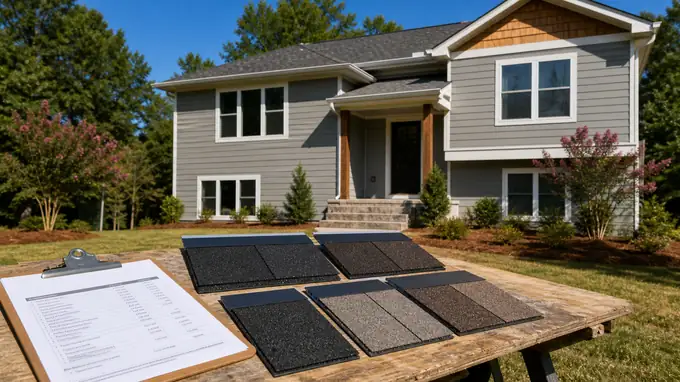
A roofer shows a homeowner asphalt shingle samples while reviewing the estimate. at a grey split-level home in Madison, WI, in clear late-morning sun.

Step 2: Written Estimate

Everything we found goes on paper. The estimate names the membrane, the insulation board, every run of new flashing and each drain or scupper we plan to reset, so you can compare it line for line against anyone else's. If a section can be repaired instead of replaced, it says so. If the deck looks questionable, that is written down too, along with how we handle rot if we open the roof and find it.

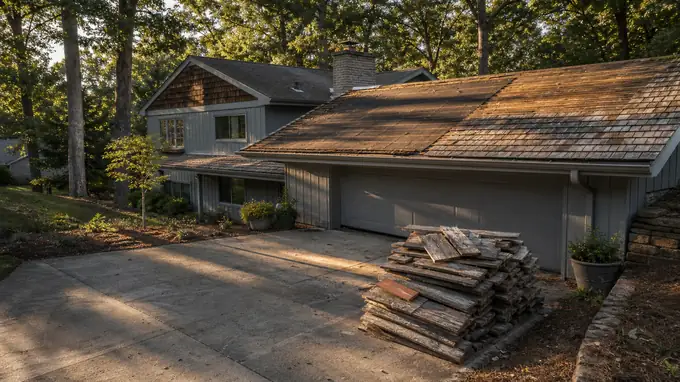
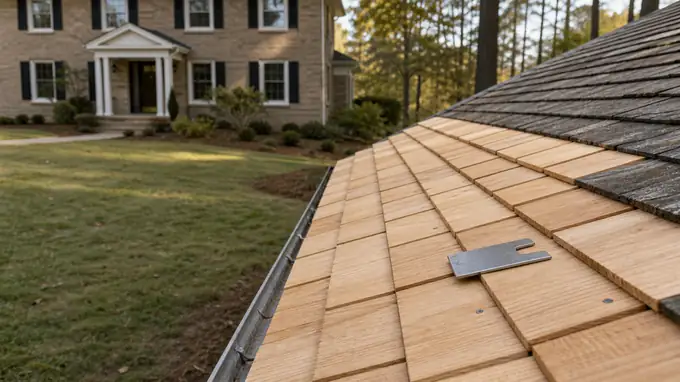
Workers strip aging cedar shakes from a roof before replacement. at a grey split-level home in Madison, WI, in late afternoon light.

Step 3: Removal of Old Materials

Tear-off goes down to the deck across the repair area. We cut out old built-up asphalt, gravel ballast, failed modified bitumen or loose EPDM, and pull every board of wet insulation, because new membrane laid over trapped water blisters and lets go. Debris goes down a chute into a covered dumpster, not across the lawn. We open only as much roof as we can close up and make watertight before we leave for the day.

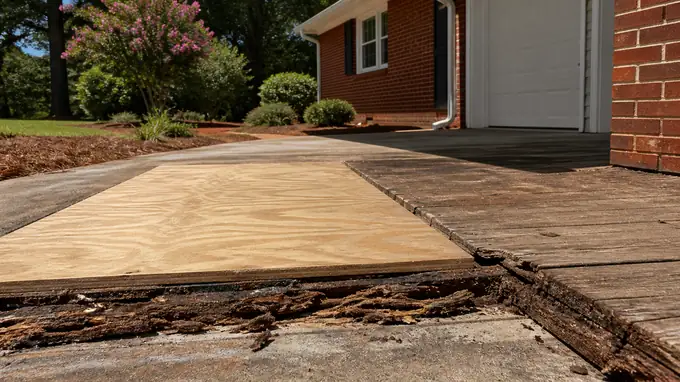
A roofer replaces a rotted section of plywood roof sheathing with new board. at a brick-and-siding two-story home in Madison, WI, in early morning light.

Step 4: Deck Repair

With the roof open, the deck tells the rest of the story. Delaminated plywood, OSB gone soft at the edges and plank decking rotted around old drains all come out, replaced with sheathing of matching thickness so the surface stays flat. Around Madison, where the median home was built in 1979, plenty of flat roofs have been covered over more than once without anyone checking underneath. Structural damage to joists gets repaired before anything goes back on.

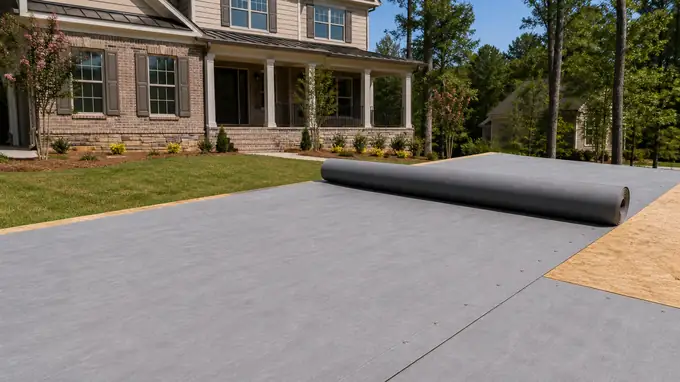
A roofer rolls synthetic underlayment across a bare deck, overlapping each row. at a brick-and-siding two-story home in Madison, WI.

Step 5: Underlayment Installation

Over a sound deck, we build the layers the membrane depends on. Polyiso insulation boards go down staggered and mechanically fastened, with tapered board wherever water used to pond. A gypsum or high-density cover board goes over that so foot traffic doesn't crush the foam. Modified bitumen roofs get a self-adhered base sheet next. Walls and curbs get ice and water membrane, because 36 inches of snow a year leaves meltwater sitting against every edge.

A roofer installs cedar shakes with careful spacing and stainless fasteners. at a tan-brick colonial in Madison, WI, in early morning light.

Step 6: Roofing Installation

The membrane goes on to suit the building. EPDM is fully adhered in heavy-gauge sheet with primed, taped seams. TPO is reinforced, and every seam is hot-air welded, then probed. Modified bitumen goes down as a base sheet and a granulated cap sheet. Flashing follows: new membrane up every parapet, curb and vent, tucked under metal counterflashing, with new edge metal and clamped drain rings. Most flat roof leaks start at flashing, so that is where we take our time.

A roofer checks sealant around a chimney flashing before closing out the job. at a buff-brick ranch home in Madison, WI, in early morning light.

Step 7: Final Inspection

Before we call a roof finished, we walk it again with the estimate in hand. Every seam gets probed, welded laps are checked for cold spots, and termination bars and counterflashing get a hard pull. We run water toward each drain and scupper to confirm it moves and nothing ponds. We handle the permit. You also get photos of the deck, the layers and the new flashing, since most of that work ends up out of sight.

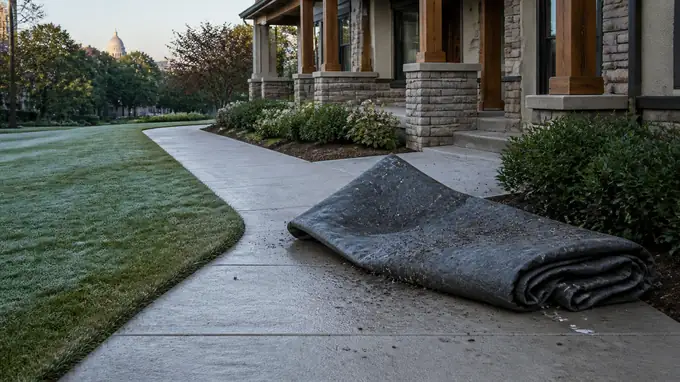
Workers fold up protective tarps laid over landscaping during the roof job. at a stacked-stone and stucco home in Madison, WI, in early morning light.

Step 8: Cleanup

Roofing leaves nails, and nails end up in tires. We roll a magnetic sweeper across the driveway, lawn and planting beds around the building, clear gutters and downspouts of granules and scrap, and haul off the dumpster with every piece of old material. Ladders and staging come down carefully, and we look over siding and trim once they're gone. The last stop is inside, at the ceiling under the old leak, to see it dry.

Get a Free Estimate

Request an Estimate

Tap to call +1 608-594-7071