+1 608-594-7071
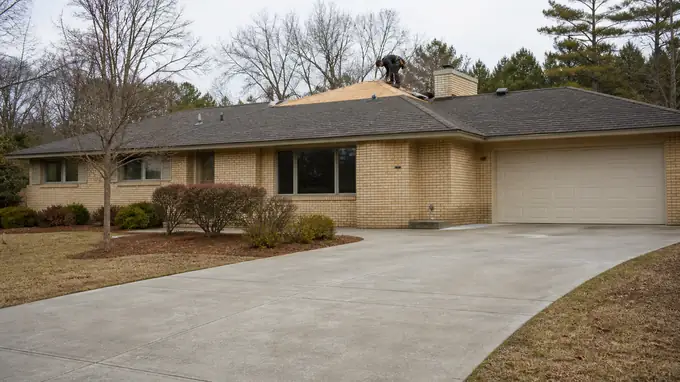
roof inspection services completed by a local contractor at a buff-brick ranch home in Madison, WI, in early morning light.

Roof Inspection Services in Madison, WI

The median home in Madison was built in 1979, so plenty of houses here have roof decking and flashing that have seen a lot of seasons. A roof inspection tells you what condition yours is really in before a leak tells you first. We look at the whole roof, write down what we find, and tell you plainly what needs repair now and what can wait.

About 36 inches of snow and 32 inches of rain fall here in an average year, and all of it has to get off your roof. Most leaks start small: a lifted shingle, a cracked boot around a vent pipe, sealant pulling away from a chimney. Caught early, those are simple repairs. Missed, they become wet insulation and soft decking. Call us to book an inspection on your home or commercial building.

Call +1 608-594-7071

Request an Estimate

What Roof Inspection Services Involves

Image slot Roof Repair Near Me 680px · 16:9 · no image declared for this subject

Roof Repair Near Me

Most leaks we trace start at the flashing, not the shingles. Step flashing behind siding, the rubber boot around a vent stack, counterflashing on a chimney: these fail first and let water run along the deck before it ever shows on a ceiling. We find the entry point, pull back enough roofing to see the damage underneath, replace soft decking, and rebuild the flashing with new metal. Caulk alone is a stopgap, and we don't leave one behind.
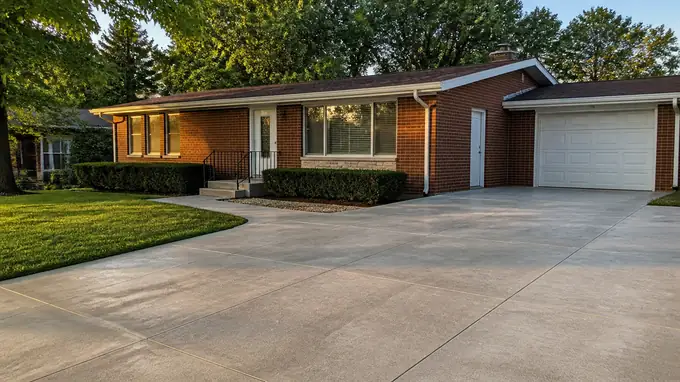
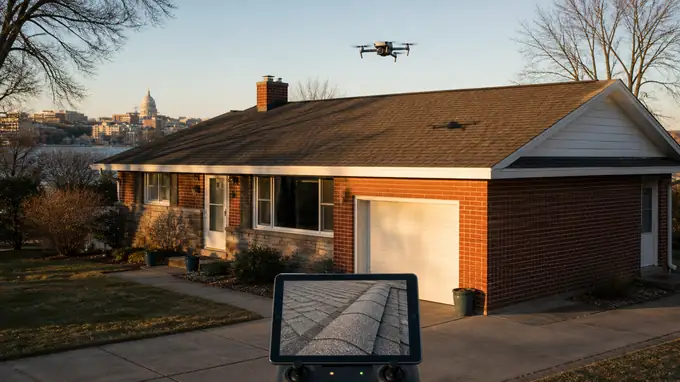
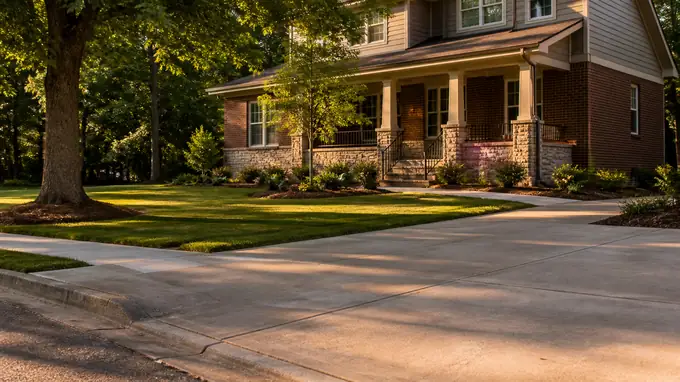
roof inspection completed by a local contractor at a red-brick ranch home in Madison, WI, in late afternoon light.

Roof Inspection

With the median Madison home built in 1979, plenty of roofs here carry a second layer of shingles over the first. We check for that, then walk the whole roof: granule loss, cupped or cracked tabs, nail pops, lifted ridge caps, soft spots in the decking. In the attic we look for daylight at the boards, damp insulation and water staining along the eaves. You get photos and a plain list of what needs doing now and what can wait.

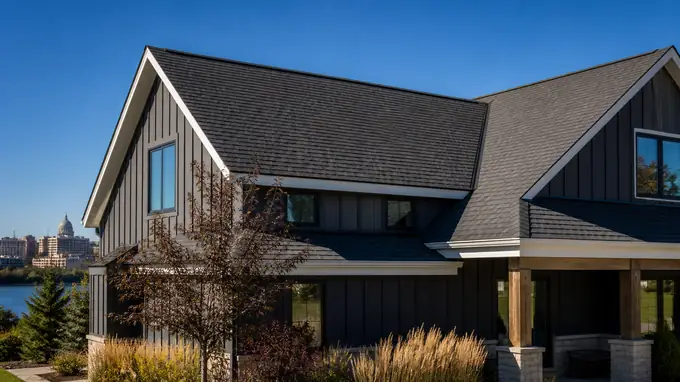
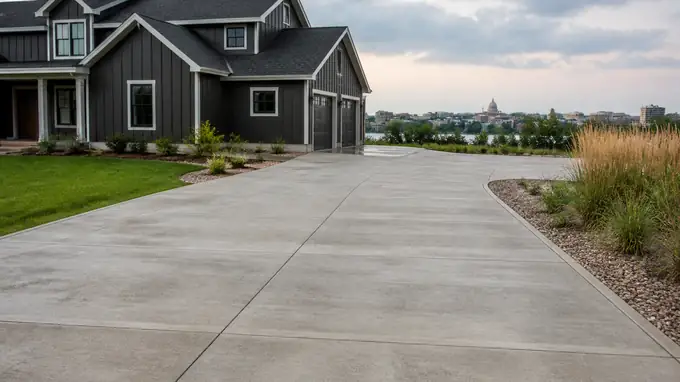
roof replacement completed by a local contractor at a charcoal farmhouse-modern home in Madison, WI, after a rain shower.

Roof Replacement

A full replacement means stripping to the deck, not layering over. We tear off every layer and replace rotted or delaminated sheathing with 7/16" OSB or matching plywood. The area sees about 36 inches of snow a year, so ice and water shield goes along every eave and valley, where meltwater backs up under shingles. Synthetic underlayment covers the rest. Drip edge, pipe boots and step flashing are all new. Old flashing rarely outlasts a second roof.

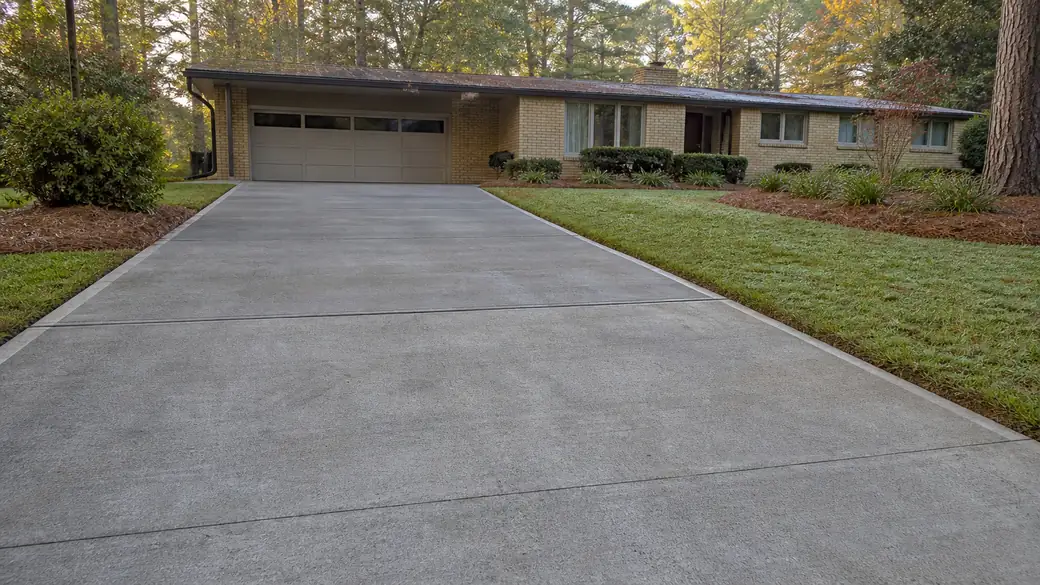
roof installation completed by a local contractor at a buff-brick ranch home in Madison, WI, under bright midday cloud.

Install Roofing

Good materials installed badly fail early. Architectural shingles go down with six nails each, driven in the nailing strip rather than above it, so wind can't lift the tab. Starter strip runs along every eave and rake. Ridge vents are sized against soffit intake, because an attic that can't breathe breaks shingles down from underneath. Low-slope sections (porches, flat additions, dormers) get an EPDM or modified bitumen membrane instead of shingles, since shingles need pitch to shed water.

Our Warranty and Guarantee

Most roof warranties come from the manufacturer of the materials, and nearly all of them carry conditions: correct installation, proper ventilation, and damage reported before it spreads. An inspection is how you learn whether your roof still meets those terms. On a house built around 1979, the roof may already be on its second or third set of shingles, and the paperwork rarely survives a sale.

We write down what we see, not what sounds reassuring. Every finding gets a photo and a plain note: flashing lifting at the chimney, a soft spot in the decking, granule loss in the valleys. If something is fine, we say so. That record is yours to keep, and it is the kind of document a manufacturer asks for when a claim comes up.

Roofing Systems and Materials for Madison

Asphalt shingles, metal panels and flat membrane roofs each fail in their own way, and plenty of houses carry more than one. With the median home here built in 1979, the same building often holds repairs from different decades. We name each material, note how it was installed, and check whether the pieces were ever meant to work together.

Water finds the joints first. About 36 inches of snow a year sits longest at eaves, valleys and the flashing around chimneys and walls, so that is where we spend our time. On metal we check fasteners and seams; on flat roofs, ponding and lifted edges. Shingles show their age through granule loss and brittle tabs. Call for a free estimate if you want to know how much life your roof has left.

How Much Does Roof Inspection Services Cost in Madison?

What we charge for an inspection comes down to how much roof there is to cover, how hard it is to reach, and how much we need to see from underneath. If your house dates from around 1979, the median build year here, we also check whether a second layer of shingles went on over the first, because that changes what we look for.

What changes the priceWhich wayWhy
Pitch too steep to walkcosts moreWe work from harnesses or a lift instead of walking it, which takes more setup and more time.
Number of stories and where a ladder can standcosts more on tall or sloped lotsA single-story ranch with a flat driveway is quick. A tall eave over a slope or planted beds is not.
Attic hatch locationcosts less when it's easy to reachWe check decking, ventilation and old water stains from inside. A hatch buried in a closet, or no hatch at all, slows that down.
Layers of shinglescosts more with each layerWe lift a sample at the edge to count layers and see the decking condition underneath.
Chimneys, skylights and vent pipesmore of them costs moreEach has flashing we inspect up close, and flashing is where leaks usually start.
Flat or low-slope sectionscosts moreMembrane seams and drains get checked separately, sometimes with a moisture meter.
Snow or ice on the roofcosts more, or the visit movesWe can't judge shingles we can't see. Clearing a section adds time.
Written report with photoscosts moreDocumenting every slope for a sale or an insurance claim takes longer than a walk-through and a spoken summary.

Comparing bids? Ask whether the inspector actually goes up on the roof or looks from the ground. Check whether the attic is included. Find out if you get a written report with photos or just a conversation. And notice whether the person inspecting is also the one selling you the replacement.

Frequently Asked Questions About Roof Inspection Services in Madison

How often should I schedule a roof inspection to help prevent leaks?

Once in spring and once in fall suits most roofs, plus a look after any storm that brings hail or tears at shingles. Spring shows what winter did. Madison averages about 36 inches of snow, and meltwater that backs up under shingles or around flashing leaves marks we can find before they become leaks. Fall gives us a chance to fix small problems before the snow returns.

Can a roof inspection find the source of a commercial leak?

Yes. Water on a commercial building rarely enters where it shows up inside. On a flat roof it can run along the deck or under the membrane, then drip through a ceiling tile well away from the actual opening. We walk the roof and check seams, drains, penetrations, and the flashing at walls and rooftop units. Then we trace back from the interior stain until the path lines up.

What does a residential roof inspection include?

We look at the whole roof, not only the spot that worries you. That covers shingles and fasteners, flashing at chimneys, walls and vents, valleys, gutters and the drip edge. In the attic we check for daylight, damp sheathing, staining and poor ventilation. The median home here was built in 1979, so many have been reroofed before, sometimes over an older layer. We note what sits underneath, because it changes the repair.

When should a business schedule a commercial roof inspection after noticing damage?

As soon as you see it, and before the next rain if possible. Commercial roof damage grows quietly. A split seam or lifted edge lets water into the insulation, and wet insulation stops protecting the building long before a ceiling shows a stain. Health care, education and professional offices are Dane County's biggest employers, and those buildings rarely have a room to spare for a bucket. Note where and when you saw water, then call.

How soon can you start repairs after the inspection?

It depends on the repair. Small fixes, like resealing flashing or replacing a few damaged shingles, need little more than the right materials and dry weather. Larger work may need a permit, which we handle, and materials ordered to match what is already on your roof. Once you have our findings and agree on the scope, we set a start date together. If water is coming in right now, tell us when you call.

How long does a roof leak detection inspection take?

Long enough to find where the water actually gets in, which varies more than people expect. A cracked boot around a vent pipe on a simple gable roof shows itself quickly. A low-slope roof where water travels, or a leak that only appears in wind-driven rain, takes longer. Sometimes we water-test sections of the roof to reproduce it. We would rather spend the time finding the real entry point than patch a guess.

How a Roof Inspection Services Job Runs in Madison

A drone hovers over a steep roof to photograph areas too high to reach by ladder. at a red-brick ranch home in Madison, WI, in late afternoon light.

Step 1: Roof Inspection

We walk the roof, not just the yard below it. That means checking every pipe boot, the step flashing where roof meets wall, the valleys, and the shingle edges for granule loss and cracking. Then we go into the attic with a light to look for water stains, damp insulation and daylight around nails. A soft spot underfoot tells us more than any photo from the driveway, so we mark each one.

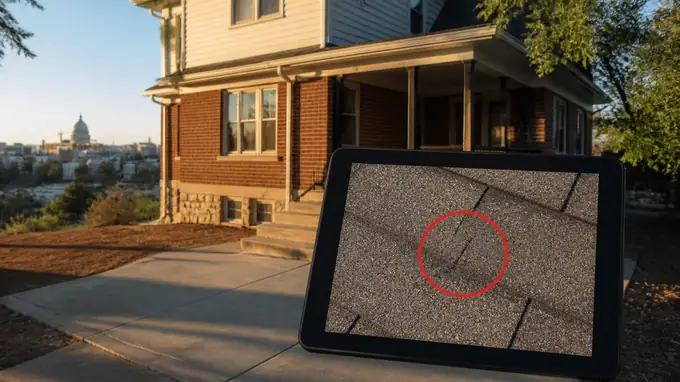
A roofer scrolls through inspection photos on a tablet while preparing the homeowner's estimate. at a brick-and-siding two-story home in Madison, WI.

Step 2: Written Estimate

Everything we found goes on paper, item by item. The estimate names the shingle line and color, the underlayment, how many sheets of decking we expect to replace, and which flashing gets reused or replaced. If the roof only needs repairs, it says so, and we price the repair instead of a full replacement. You get something you can hold next to another contractor's bid and compare line for line.

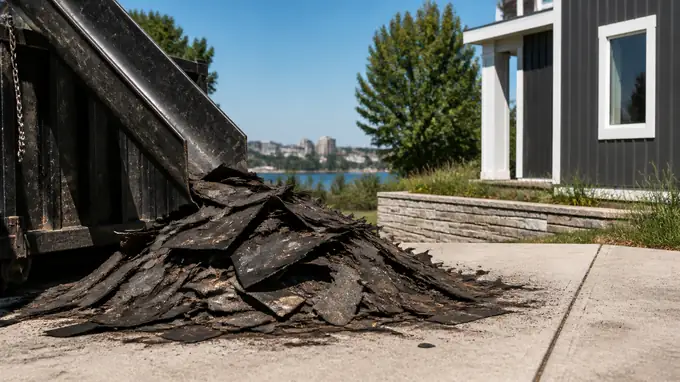
Workers tear off old shingles and toss them down a debris chute. at a charcoal farmhouse-modern home in Madison, WI, in clear late-morning sun.

Step 3: Removal of Old Materials

Tear-off starts at the ridge and works down, with tarps over the landscaping and a dumpster parked close to the eaves. We strip to bare wood: shingles, old felt, rusted drip edge, and every nail we can pull. If a second layer of shingles turns up underneath, it comes off too. Laying new materials over old ones hides the deck, and the deck is the part we need to see next.

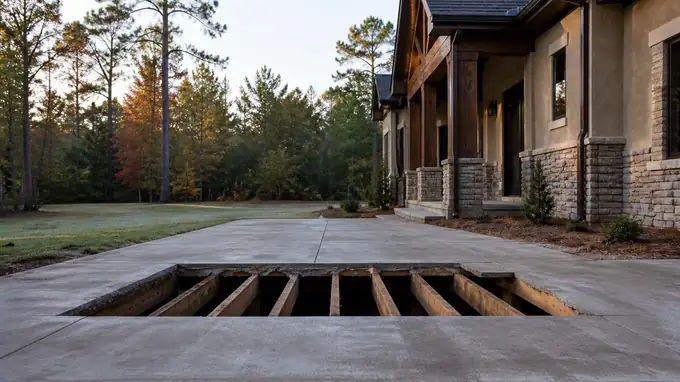
A roofer checks exposed roof rafters for daylight gaps before sheathing goes back down. at a painted-white-brick two-story home in Madison, WI.

Step 4: Deck Repair

Bare sheathing shows what the shingles were hiding. We walk every course, marking delaminated plywood, OSB that has swelled at the edges, and boards that flex between rafters. Rotted sections get cut back to solid framing and replaced with 7/16" OSB or plywood to match the existing thickness. Loose sheathing gets renailed. If rot reaches a rafter, we stop and show you first, because that is structural work, not roofing.

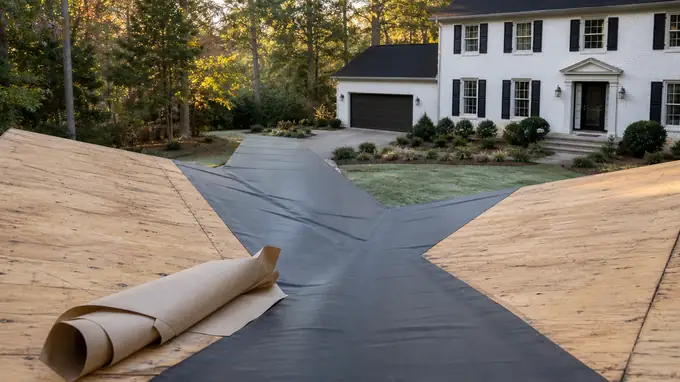
A roofer installs ice-and-water shield in a roof valley before the main underlayment. at a painted-white-brick two-story home in Madison, WI.

Step 5: Underlayment Installation

Along the eaves and in every valley, we lay self-adhered ice and water shield, rolled tight to the deck so it seals around each nail. With about 36 inches of snow a year here, the eaves are where meltwater backs up under shingles, so that membrane runs at least two feet past the inside wall line. Synthetic underlayment covers the rest of the field, lapped and fastened, with new drip edge at eaves and rakes.

A roofer fits new flashing around a roof vent during shingle installation. at a brick-and-siding two-story home in Madison, WI, in late afternoon light.

Step 6: Roofing Installation

Shingles go on from a starter strip at the eaves, six nails each in the nailing strip, courses kept straight with chalk lines. We install new step flashing at walls and new counterflashing at chimneys rather than bending old metal back into place. Pipe boots get replaced, since the rubber collars crack well before the shingles wear out. Ridge vent goes on last, matched to the soffit intake so the attic can actually breathe.

A contractor and homeowner walk the yard for a final look at the completed roof. at a charcoal farmhouse-modern home in Madison, WI.

Step 7: Final Inspection

Once the ridge is capped, we walk the whole roof again the same way we did on day one. We look for exposed nail heads, lifted tabs, gaps in the flashing and any shingle that has not sealed down. Then we check the attic for light at the ridge and air moving through the vents. We handle the permit, and anything that fails our own walk gets fixed before we pack up.

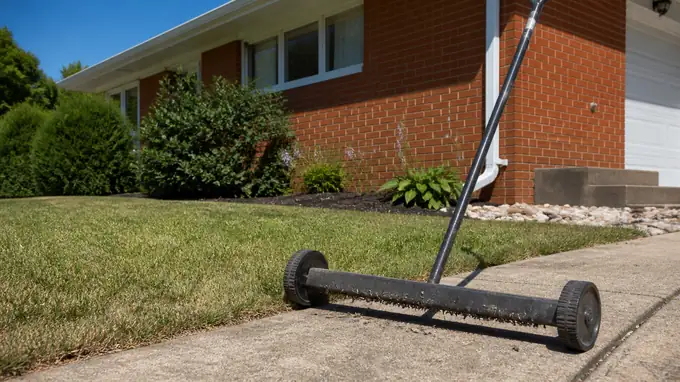
A worker pushes a magnetic sweeper across the lawn to collect stray nails. at a red-brick ranch home in Madison, WI, in clear late-morning sun.

Step 8: Cleanup

Nails are what homeowners find for months afterward, so we run a magnetic sweeper across the lawn, driveway, beds and walkways, then run it again. Tarps come up, and debris goes into the dumpster, not your trash cans. We clear shingle grit out of the gutters and downspouts and pick up by hand what the magnet missed. The last thing we do is walk the property with you.

Get a Free Estimate

Request an Estimate

Tap to call +1 608-594-7071