+1 608-594-7071
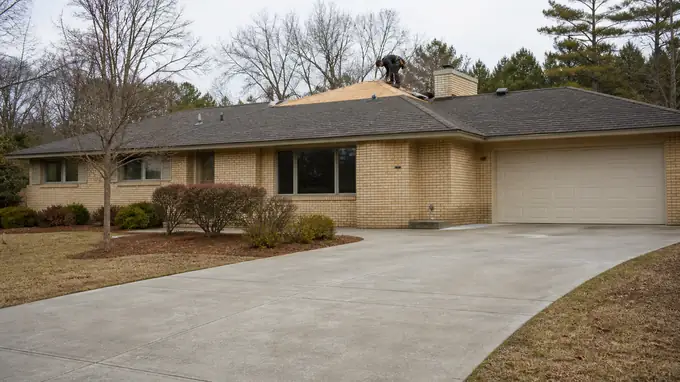
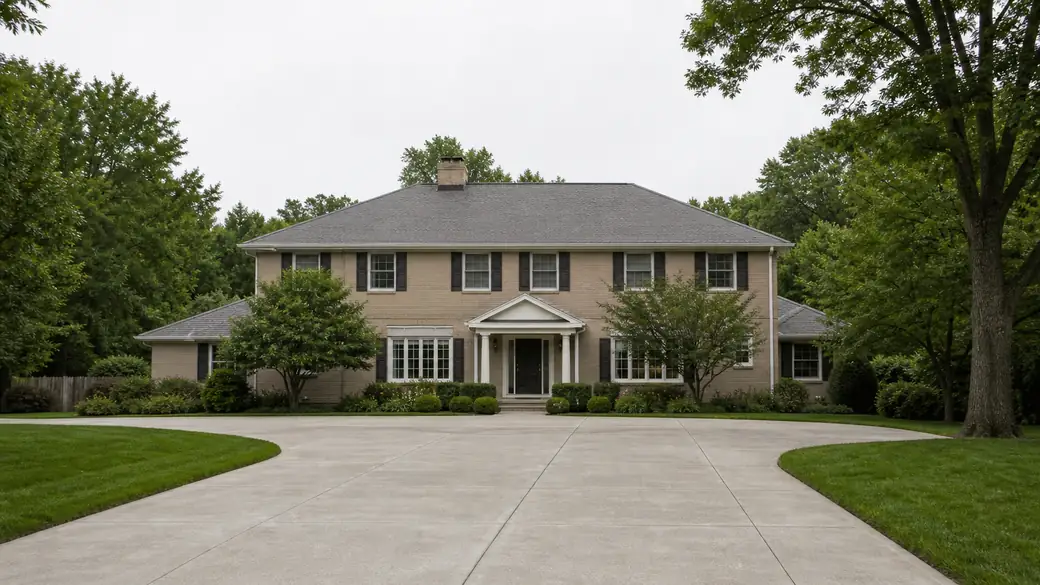
A finished roof photographed from across the yard, showing uniform shingle rows and clean flashing from ridge to eaves. at a tan-brick colonial in Madison, WI.

Roof Leak Detection in Madison, WI

A stain on the ceiling rarely sits under the spot where water gets in. Water finds a gap at a flashing seam, a cracked vent boot or a lifted shingle, then runs along the decking and rafters before it drops. We trace that path back to its source, on the roof and in the attic, so the repair goes where the damage started. Patching under the stain usually means doing the job twice.

Around here, the median home was built in 1979. A roof on a house that age has usually been replaced at least once, and each replacement leaves seams around older chimneys, vents and walls. Add about 36 inches of snow and 32 inches of rain a year, and a small opening gets plenty of water to work with. Call and tell us where the stain showed up.

Call +1 608-594-7071

Request an Estimate

What Roof Leak Detection Involves

Image slot Roof Repair Near Me 680px · 16:9 · no image declared for this subject

Roof Repair Near Me

Most leaks we trace start at a joint, not out in the open field of shingles. A neoprene pipe boot cracks after years of sun. Step flashing along a sidewall gets face-nailed, or was never tucked behind the siding at all. We find the real entry point, which often sits several feet uphill from the stain on your ceiling, and repair that. Patching only where the water shows just moves the leak somewhere else.
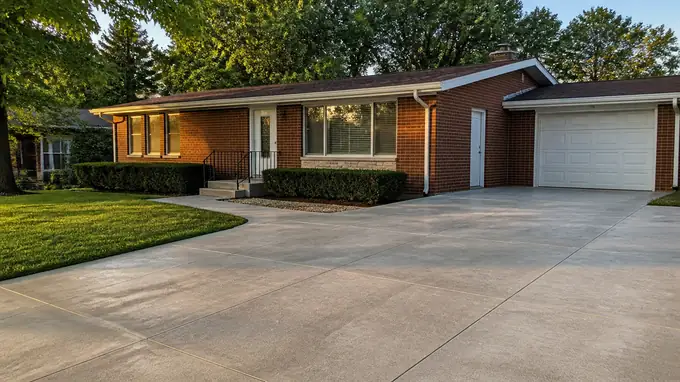
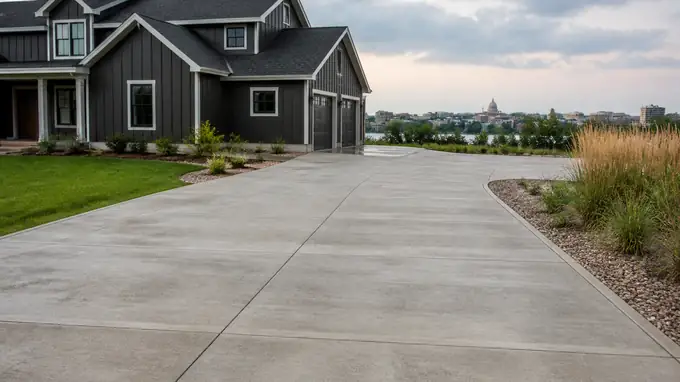
roof inspection completed by a local contractor at a red-brick ranch home in Madison, WI, in late afternoon light.

Roof Inspection

An inspection starts in the attic whenever we can get into one. Daylight through the decking, dark rings around nail tips and damp insulation all show where water has been. Then we go up. We check every penetration, the valleys, the drip edge and the sealant under each piece of flashing. We also lift shingles where the seal strip has let go. With about 32 inches of rain a year, small gaps get tested often.

roof replacement completed by a local contractor at a charcoal farmhouse-modern home in Madison, WI, after a rain shower.

Roof Replacement

Some leaks mean the roof itself is finished. A house built around 1979, the median year for homes here, can carry a second layer of shingles over the first, and that layer traps moisture. Once decking has gone soft or granules have washed off whole slopes, repairs stop making sense. We strip to the deck, replace rotted sheathing, and run ice-and-water membrane along eaves and valleys before synthetic underlayment goes down.

roof installation completed by a local contractor at a buff-brick ranch home in Madison, WI, under bright midday cloud.

Install Roofing

Whatever material goes on, the details decide whether it leaks. On shingle roofs we install new drip edge, new pipe boots and step flashing woven in course by course, never reused from the old roof. Low-slope sections over porches and additions get a single-ply EPDM or TPO membrane, because shingles leak at that pitch. On metal, we use concealed-fastener panels where the profile allows, and with around 36 inches of snow a year, snow guards over entries.

Our Warranty and Guarantee

A leak repair is only as good as the diagnosis behind it. Before we call a job finished, we run water over the repaired area and check the decking from the attic side for fresh moisture. You get photos of where the water was getting in and what we changed, so the work is on record, not on our word.

Flashing, vents and valleys are where most leaks start, and one roof can have more than one. If a stain shows up again after a repair, call us. A second stain usually points to a second entry point rather than a failed patch, and it deserves the same careful tracing as the first.

Roofing Systems and Materials for Madison

We repair and replace asphalt shingle, metal and flat roofing systems on residential and commercial buildings. Each one fails in its own way. Shingle roofs usually leak at the flashing around chimneys, vents and skylights. Metal roofs leak at seams and fasteners. Flat roofs leak where water sits on a membrane seam. With the median home here built in 1979, a house may be on its second or third roof, so we check the layers underneath too.

Madison gets about 32 inches of rain and 36 inches of snow a year, and all of it has to leave the roof somewhere. That is why we match materials to the building rather than to a catalog. Metal sheds snow well on a steep pitch. A low-slope addition needs a membrane, not shingles pushed past their limit. Where the right material is already in place, a flashing repair often restores its performance.

How Much Does Roof Leak Detection Cost in Madison?

We don't price a leak over the phone, because the cost depends on how hard the water is to trace and how much of the roof we have to open to prove where it gets in. A stain on a bedroom ceiling can start well uphill from where it shows. Most of what moves the number is something you can check yourself before anyone climbs a ladder.

What changes the priceWhich wayWhy
A reachable attic hatch and open framingcosts lessWe can follow the water trail along the decking and rafters from inside, often before anyone steps on the shingles.
Cathedral ceilings or no attic spacecosts moreWith nothing to crawl through, the search moves to the roof surface and sometimes means opening drywall.
Steep pitch or a three-story rooflinecosts moreHarnesses, roof jacks and longer ladders take time to set up safely.
Fences, tight side yards or a sloped lotcosts moreGear gets carried farther and ladders go on uneven ground.
Chimneys, skylights, vents and wall intersectionscosts more with each oneEvery penetration has its own flashing, and each has to be water-tested on its own.
More than one layer of shinglescosts moreOld layers hide the path water takes, so more material may have to come up to find the entry point.
A flat or low-slope sectioncosts moreWater runs sideways under the membrane before it drips, so the source is rarely right above the stain.
Snow sitting on the roofcosts moreWith about 36" of snow a year, winter calls often mean clearing the problem area before we can see the flashing.

When you compare bids, look at what each one actually includes. Does it cover water testing, or only a look from the ground? Does it say whether the attic gets inspected, and who puts back any drywall or decking opened during the search? A bid that ends at "probably the flashing" is cheaper only until the stain comes back.

Frequently Asked Questions About Roof Leak Detection in Madison

How long does a professional roof leak detection service take?

It depends on the roof and on how well the leak hides. A simple residential roof with one stain on the ceiling below can usually be worked out in a single visit. Commercial buildings, flat roofs with several drains, and leaks that only show up with certain wind and rain take longer, because we have to rule things out one at a time. Rushing that just means guessing.

How much does professional roof leak detection cost?

Price follows the roof. Size, pitch, access, the roofing materials, and the number of possible water paths we have to test all change the amount of work. An asphalt roof on a 1979 ranch in Madison is a different job from a flat commercial roof with rooftop units and parapet walls. That is why we look before we quote. Call for a free estimate, and the number you get will be based on your roof, not a guess.

Can wind damage cause a commercial roof leak?

Yes. Wind works on edges and seams. On a flat commercial roof it can lift a membrane at the perimeter, peel back flashing at a parapet, or loosen metal coping just enough for water to run underneath. That damage is rarely visible from the ground, and the leak often appears well away from where the wind did its work. We check edges, seams and penetrations first, then follow the water inward.

What happens if you can't find the source of my roof leak?

We tell you plainly. You get a clear account of what we tested, what we ruled out, and where water could still be getting in. Some leaks only appear with rain from one direction, or with snow melting against a wall, and those need a second look in the right conditions. We don't patch a guess and call it fixed. An honest "not yet" serves you better than a confident wrong answer.

Will leak detection services include repair work?

No, not automatically. Finding a leak and fixing it are separate jobs, and we keep them separate so you can see exactly what you're paying for. Once we've traced the water, we show you the source, explain the repair it needs, and let you decide. When the fix is small, like resealing a pipe boot or refastening a loose piece of flashing, it can often be handled on the same visit.

Do roof leak prevention treatments really work?

Yes, within limits. A good coating on a sound flat or metal roof adds protection and slows wear on seams and fasteners. Plain maintenance does more, though: clearing drains, resealing flashing before it cracks, replacing a split boot. What no treatment can do is save a roof that's already failing. If water is getting in now, we find out why before anyone sells you a coating for it.

How a Roof Leak Detection Job Runs in Madison

An inspector walks a shingle roof checking for cracked and missing shingles. at a brick-and-siding two-story home in Madison, WI.

Step 1: Roof Inspection

Water rarely comes in where the stain shows up. It runs along a rafter or the top of the decking first, sometimes several feet. So we start in the attic with a flashlight and a moisture meter, find the wettest wood, and follow it uphill. Then we go on the roof and check what sits above that spot: pipe boots, step flashing, chimney counterflashing, nail pops. If it is still unclear, we run a hose in sections, bottom up.

A contractor reviews a written roof replacement quote with a homeowner on the front porch. at a tan-brick colonial in Madison, WI, in early morning light.

Step 2: Written Estimate

You get the findings on paper: where the water is entering, what it has already damaged, and what fixing it takes. Marked-up photos go with it, since most people never see their own roof up close. If the cause is a cracked pipe boot or a lifted shingle, the estimate says exactly that. If the leak is a symptom of a worn-out roof, we lay out the repair and the replacement side by side.

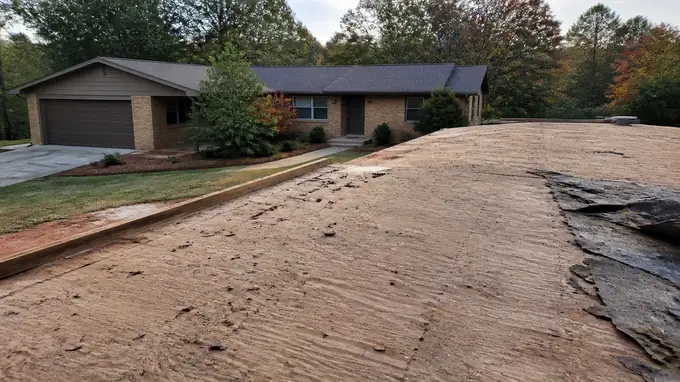
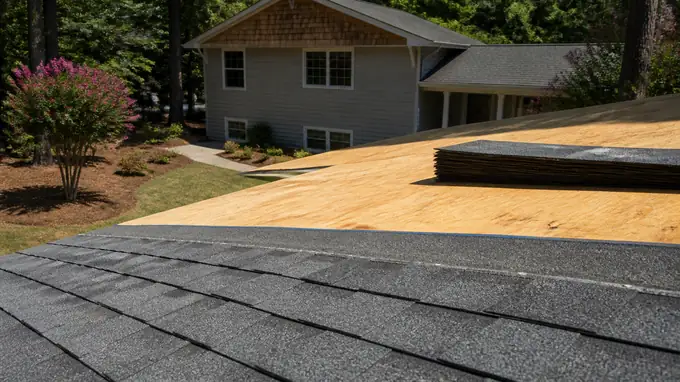
The stripped roof deck sits exposed after old shingles and felt are removed. at a buff-brick ranch home in Madison, WI, in early morning light.

Step 3: Removal of Old Materials

Tear-off stays as small as the repair allows. For a flashing leak, that can mean lifting a few courses of shingles around a chimney and nothing else. For a replacement, everything comes down to bare deck: shingles, old felt, drip edge, and any corroded step flashing. If a second layer of shingles is hiding underneath, it comes off too. Pulled material goes straight into the dumpster or trailer, not onto your beds.

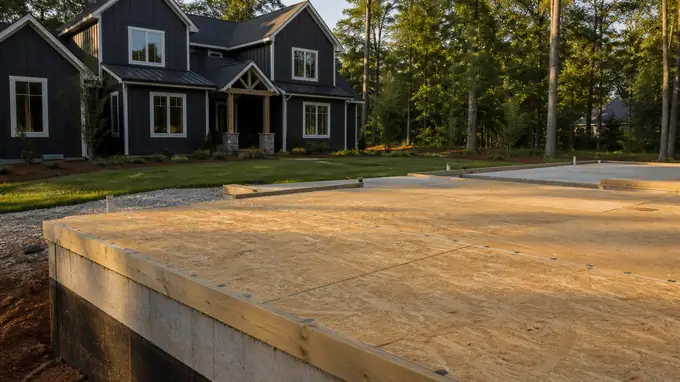
A roofer fastens new OSB roof sheathing sheets with a staggered nailing pattern. at a red-brick ranch home in Madison, WI, under bright midday cloud.

Step 4: Deck Repair

Once the deck is exposed, the leak's history shows. Wet plywood delaminates in layers; wet OSB swells at the edges and goes soft underfoot. We probe every stained area and cut out anything that gives under a screwdriver, back to the rafter centers so the new sheet has solid bearing. Replacement panels match the existing thickness and go down with ring-shank nails. Rotted fascia or rafter tails get fixed now, while they are still visible.

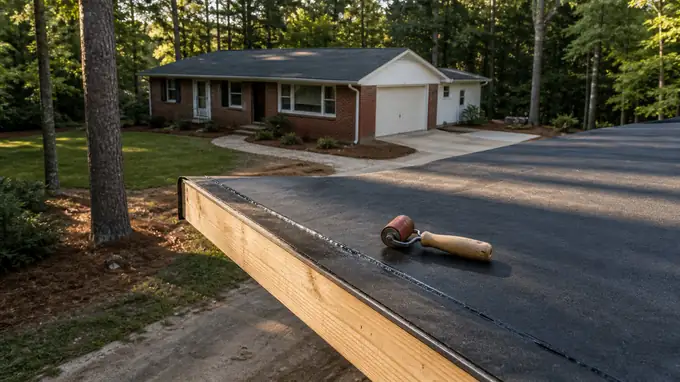
A roofer seals overlapping underlayment seams along the eave edge. at a red-brick ranch home in Madison, WI, in late afternoon light.

Step 5: Underlayment Installation

With about 36 inches of snow a year, the eaves, valleys and every penetration get self-adhered ice and water membrane. It seals around each nail driven through it. Synthetic underlayment covers the rest of the deck, lapped so water always runs over a seam and never into one. Drip edge goes under the underlayment at the eaves and over it at the rakes. Get that order backward and the leak shows up years later, inside a soffit.

A roofer nails asphalt shingles into place course by course. at a grey split-level home in Madison, WI, in clear late-morning sun.

Step 6: Roofing Installation

Shingles are nailed on the manufacturer's line, not above it, where they pull loose in wind. Flashing gets the most time, because that is where most leaks start. Step flashing is woven in course by course along every sidewall. Chimney counterflashing is cut into a mortar joint, not caulked to the brick face. Pipe boots are new, never reused. On a flat section, the membrane turns up the wall and is fastened with a termination bar, not just lapped.

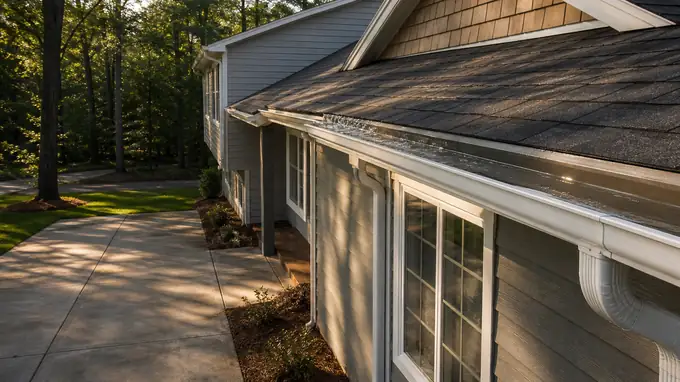
A roofer checks water flow through a newly reattached gutter after installation. at a grey split-level home in Madison, WI, in late afternoon light.

Step 7: Final Inspection

The last walk covers every detail again: flashing laps, sealed nail heads at the ridge, vents clear, no shingle tabs lifted. Then we go back into the attic, where the job started, and look at the wood that was wet. If a hose test found the leak, we run the same test on the finished repair. Water has to run and stay outside. Where the work needs a permit, we handle it, including the inspection that comes with it.

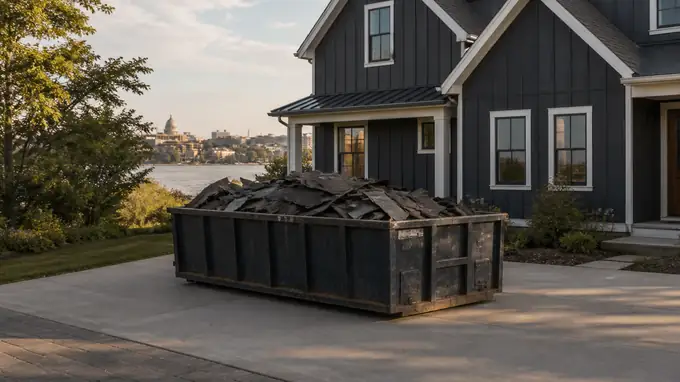
Workers load the last bundles of old shingle debris into a driveway dumpster. at a charcoal farmhouse-modern home in Madison, WI, in late afternoon light.

Step 8: Cleanup

Nails are what homeowners remember, so we roll a magnet over the lawn, driveway and beds, then do it again. Gutters get cleared of shingle grit and tear-off debris. Tarps come off the plants and the driveway gets swept. Inside, if we worked from the attic, we vacuum the insulation dust from under the hatch. You keep the photos of what we found and what we fixed, which is useful the next time anyone works on that roof.

Get a Free Estimate

Request an Estimate

Tap to call +1 608-594-7071