+1 608-594-7071
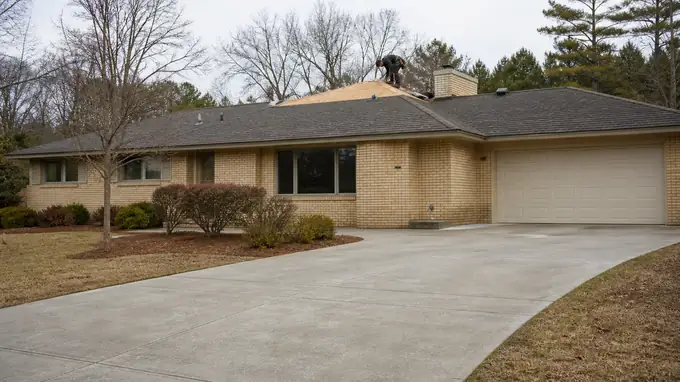
commercial roofing completed by a local contractor at a tan-brick colonial in Madison, WI, in early morning light.

Commercial Roofing in Madison, WI

We repair, replace and maintain commercial roofs across Madison. Flat and low-slope roofing is most of the work: membrane systems, metal, and the flashing at every wall, curb and drain where leaks actually start. We handle the small call, a stained ceiling tile after a storm, and the large one, a full tear-off and installation on an occupied building. Our commercial roofing services also cover scheduled maintenance, so a roof gets looked at before water finds its own way in and the repair turns structural.

The median Madison home was built in 1979. A roof of that age has usually been covered more than once, and the last job decides what you are dealing with now: whether the old layers came off, whether wet insulation was pulled or buried, whether the flashing was reworked or just caulked over. Property owners, managers and residential landlords call us for the same reason: a straight answer on repair against replacement from someone who has walked the roof. Call for a free estimate anywhere in Madison or Middleton.

Call +1 608-594-7071

Licensed, Bonded, and Insured ยท A combined 15 years of experience

Request an Estimate

We warranty all of our work because we believe in what we do.

What Commercial Roofing Involves

Image slot Roof Repair Near Me 680px · 16:9 · no image declared for this subject

Roof Repair Near Me

Most calls we get about a commercial roof start with water where it should not be. We trace the leak back to its source, which is rarely where the stain shows. Common causes: split seams on aged EPDM, lifted flashing at curbs and parapets, ponding water that has worn through a TPO membrane, cracked pitch pockets. We patch with matching materials, reseal the flashing, and clear the drains before we leave.
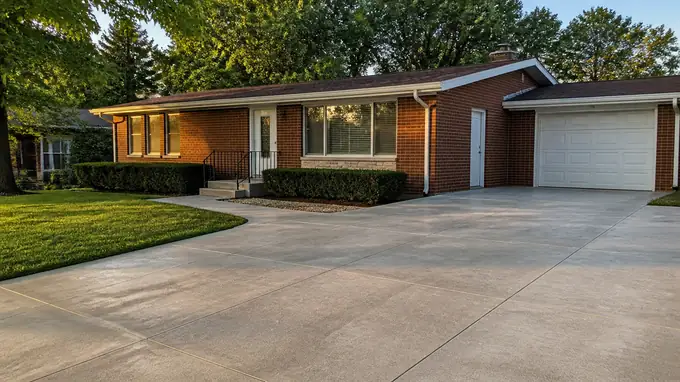
roof inspection completed by a local contractor at a red-brick ranch home in Madison, WI, in late afternoon light.

Roof Inspection

Flat and low-slope roofs hide problems until they cost money. An inspection walks the whole surface, probes for wet insulation, and checks every penetration: HVAC curbs, vents, skylights, drains. We note seam condition, remaining membrane thickness, wall flashing, and where water sits after rain. Madison's housing stock has a median build year of 1979, and older buildings of any type earn a closer look. You get photos and a plain list of what needs repair now and what can wait.

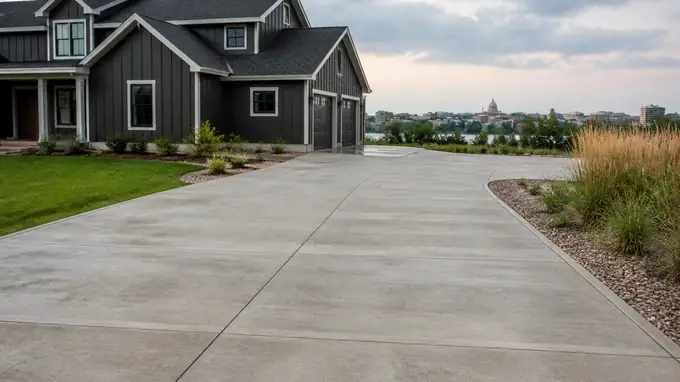
roof replacement completed by a local contractor at a charcoal farmhouse-modern home in Madison, WI, after a rain shower.

Roof Replacement

When a membrane has more patches than field, replacement is the honest answer. We tear off to the deck, inspect it for rot or rusted metal, replace what is damaged, and set new insulation to give the drains the slope they need. Then the new system goes on: fully adhered or mechanically fastened single-ply, or standing seam metal where the structure and pitch suit it. Commercial roof replacement here requires a permit from the City of Madison, and we pull it.

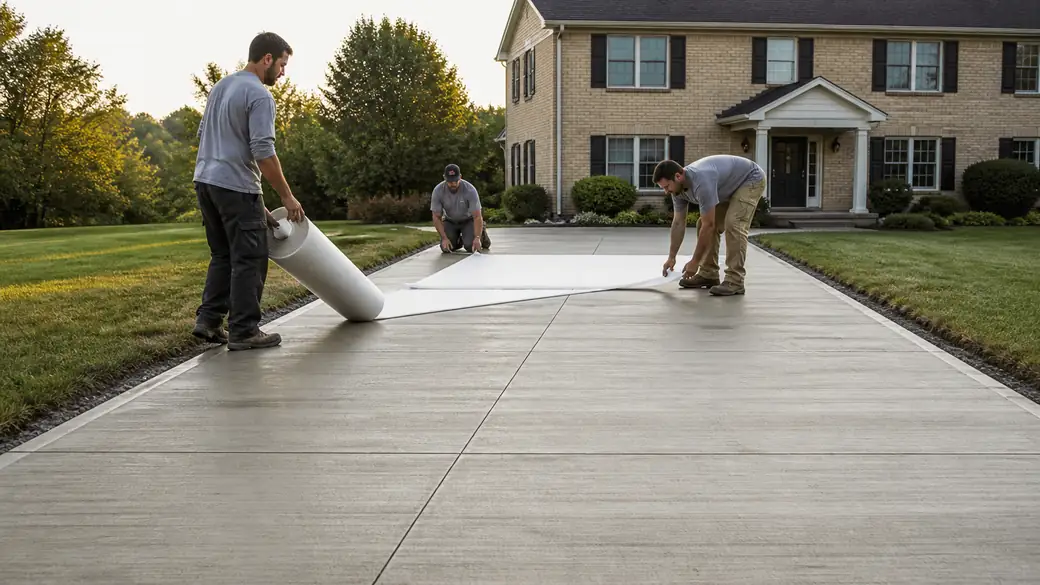
roof installation completed by a local contractor at a buff-brick ranch home in Madison, WI, under bright midday cloud.

Install Roofing

New construction and additions need a roof designed with the building, not after it. We work from the structural drawings to confirm deck type, load, and drainage, then install the roofing system the plans call for: 60 mil TPO over polyiso, two-ply modified bitumen, or standing seam metal on steeper sections. Tapered insulation is where most flat roofs succeed or fail, so we take care there. Our commercial roofing services cover new buildings in Middleton on the same terms as Madison.

Roofing Projects We've Completed in Madison

Most of our commercial work in Madison is flat roof replacement and repair: retail strips, small office buildings, warehouses, and mixed-use properties with apartments over storefronts. We tear off failed membrane, replace wet insulation, and install new roofing systems from the deck up. Metal roofs come through too, usually on shops and storage buildings, in Madison and over in Fitchburg. Some jobs are a single leak. Others are a full building. We take both.

Leaks on these buildings rarely start in the open field of the roof. They start at flashing, drains, curbs, and parapet walls, where water sits and old sealant gives out. So our repairs begin there, and our installations put the most care there. We photograph what we find, show the owner, and explain what has to change now and what can wait. Structural damage gets reported before anything is covered up. Maintenance plans follow when a roof still has life left in it.

Roofing Systems and Materials for Madison

Flat and low-slope roofs make up most of the commercial work we do in Madison, and the material choice sets the performance of the whole roofing system. TPO and PVC are single-ply membranes with heat-welded seams. EPDM is a rubber sheet, dark, flexible, and long-lived. Modified bitumen and built-up roofs stack layers of asphalt for a thicker, tougher surface. Standing seam metal suits a pitched section or a building that wants a roof to outlast the tenants. We match the system to the deck, the drainage, the rooftop equipment, and what the owner needs from it.

Seams and flashing are where water gets in, not the field of the roof. So that is where we spend our attention on any installation or replacement: curbs, parapets, drains, penetrations, and the transitions between materials. Madison's median home was built in 1979, and a roof from that era usually carries several generations of repairs on top of the original layers. We tear off to a sound deck when the structure calls for it, and we say so plainly when a repair or a maintenance plan will do the job instead.

What Decides the Price of Commercial Roofing

The building sets the price before anyone quotes a number. Two flat roofs of the same size can come in far apart, because one hides three old layers over soft insulation and the other is a clean deck with working drains. Every commercial roofing bid we write starts with a walk on the roof and a core cut or two. What we find underneath decides most of what follows. Here is what we look at, and what you can check yourself.

What changes the priceWhich wayWhy
Two or more roofing layers already on the deckcosts moreEvery layer has to be cut, hauled off and dumped before anything new goes down
Wet insulation under the membrane (soft spots you can feel underfoot)costs moreSaturated board has to come out, and the leaks that soaked it usually mean flashing repairs too
Rusted or rotted decking found once the old roof is offcosts moreStructural repair happens before the new roofing system, not after, and it is priced per sheet or section
Standing water two days after raincosts morePonding means tapered insulation, added drains or scuppers, and more labor to build the slope in
Many HVAC curbs, vents and pipe penetrationscosts moreEach one gets cut, flashed and sealed by hand, and flashing is where most leaks start
Truck and crane access from the parking lotcosts lessMaterial lands next to the work instead of being carried across a neighboring roof or up a tight alley
Existing single layer, dry and well attachedcosts lessA recover over a sound roof skips the tear-off and the disposal
Thicker insulation or an added cover boardcosts moreMore material and a second pass of fastening, in exchange for better long-term performance and protection

When you have two or three bids in hand, line them up on scope, not on the total. Check that each one states how many layers come off, what insulation thickness goes back down, whether a cover board is included, how many curbs get new flashing, and what happens if the crew finds rot in the deck. A bid that says nothing about wet insulation or deck repair is not cheaper. It is quiet. Ask each contractor to price the same roof.

Frequently Asked Questions About Commercial Roofing in Madison

Can EPDM roofing be installed over an existing roof without a full tear-off?

Yes, in many cases. EPDM can go over an existing single-ply or built-up roof if the deck is sound, the insulation is dry, and only one roof layer is already in place. We cut test squares first to check for trapped water. Wet insulation or a second layer means tear-off, because covering it hides the damage and adds weight the structure was never designed to carry.

How long does metal roofing installation take?

Most commercial metal roofs take one to three weeks. Roof size, the number of penetrations, and whether we are removing an old system all push that up or down. Standing seam panels are formed to length, so the installation itself moves quickly once the deck is prepped. Flashing details around curbs and walls take the most time, and rushing them is where leaks start.

Do you install solar panels and handle roofing work together?

No. We do not install solar panels. We do coordinate with solar installers on commercial buildings in Madison so the roof is ready before the array goes on. That means confirming the roof has enough service life left, adding walkway pads, and detailing the mounts and flashing so every attachment point stays watertight. Put a new array on a tired roof and you will be pulling it off again for a replacement.

How does aluminum roofing handle high winds?

Aluminum panels hold up well when they are fastened correctly. Wind resistance comes from clip spacing, the fastener pattern at eaves and corners, and the seam design more than from the metal itself. Aluminum is light, so we tighten the fastening schedule at the perimeter where uplift is strongest. A panel rated for high wind but installed loosely will still lift.

What are the advantages of metal roofing for commercial buildings in Madison, WI?

Service life is the main one. A standing seam metal roof outlasts most membrane systems, and it sheds water fast because the seams sit above the drainage plane. Maintenance is light: keep the drains clear, inspect the flashing, and check the sealant at penetrations. Metal also takes foot traffic and equipment loads without punctures, which matters on a building with rooftop units that need regular service.

What types of metal roofing are available for installation?

Standing seam is the standard for commercial work: concealed fasteners, panels that run eave to ridge, and seams that expand without tearing. Exposed fastener panels install faster and suit warehouses and outbuildings where appearance matters less. Metal shingles work on steeper roofs. Material choices are steel with a galvanized or painted finish, aluminum, and copper for accent areas. We match the panel to the building and its use.

Get a Free Estimate

Request an Estimate

We warranty all of our work because we believe in what we do.

Tap to call +1 608-594-7071