+1 608-594-7071
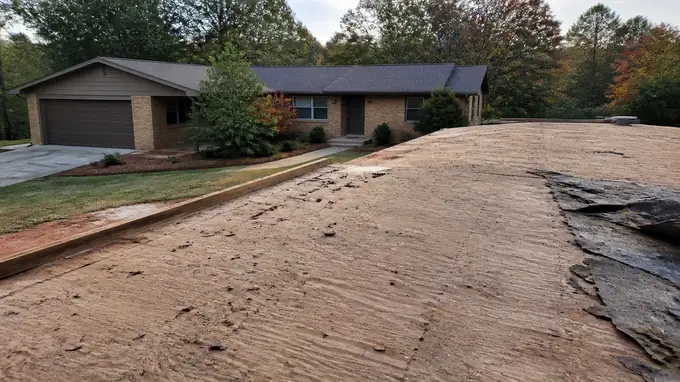
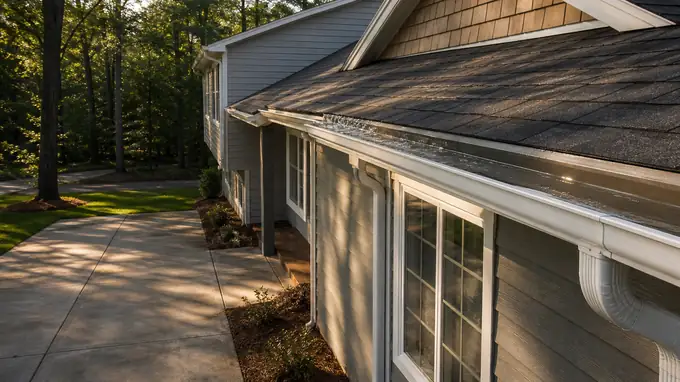
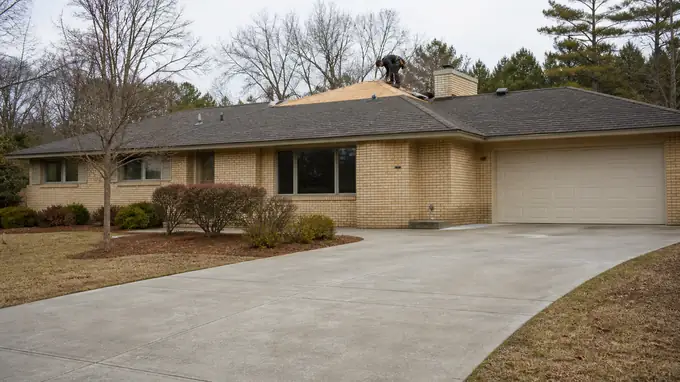
roof inspection completed by a local contractor at a red-brick ranch home in Madison, WI, in late afternoon light.

Roof Inspection in Sun Prairie, Wisconsin

A roof inspection tells you what shape your roof is in before water does. We walk the whole roof in Sun Prairie, residential or commercial, and look at the parts that fail quietly: flashing around chimneys and vents, sealant at the edges, worn or lifted shingles, soft decking, and the seams on flat roofs. Then we go inside to the attic. Stains and damp insulation show leaks the surface hides.

Around here a roof takes about 36 inches of snow and 32 inches of rain a year, so small problems do not stay small for long. After the inspection we show you what we found, with photos, and tell you plainly what needs repair now, what can wait, and what is fine as it is. If the roof is sound, we say so. Call us for a free estimate.

Call +1 608-594-7071

Request an Estimate

What We Do in Sun Prairie

Image slot Roof Repair Near Me 680px · 16:9 · no image declared for this subject

Roof Repair Near Me

Most roof leaks start at the flashing, not the field of the roof. Step flashing behind siding pulls loose, pipe boots crack around the collar, and sealant at a chimney dries out and lets water run behind the counterflashing. We find the entry point first, which is often a few feet uphill of the stain on your ceiling. Then we replace the failed piece with new metal and matching shingles, not a bead of caulk.
Roof Inspection

We walk the roof, not just look at it from the driveway. That means checking shingles for granule loss, lifted tabs and cracked mats, lifting a few at the eaves to see whether ice and water shield went down, and pressing on the deck for soft spots around vents. Inside the attic we look for daylight, damp sheathing, stained rafters and blocked soffit vents. You get photos of what we found, good and bad.

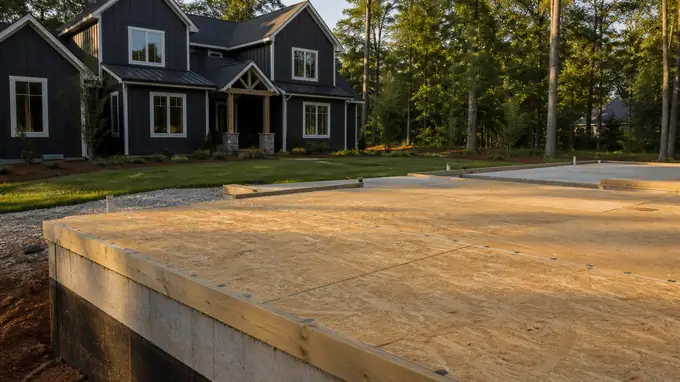
roof replacement completed by a local contractor at a charcoal farmhouse-modern home in Madison, WI, after a rain shower.

Roof Replacement

Tear-off goes to the deck. We don't lay new shingles over old ones, because a second layer hides rot and adds weight. With the old roof off, we cut out any soft or delaminated sheathing and replace it at matching thickness. Then comes ice and water shield at the eaves and valleys, synthetic underlayment over the field, new drip edge and new flashing. Around 36 inches of snow falls in a typical year, so the eave work matters as much as the shingle.

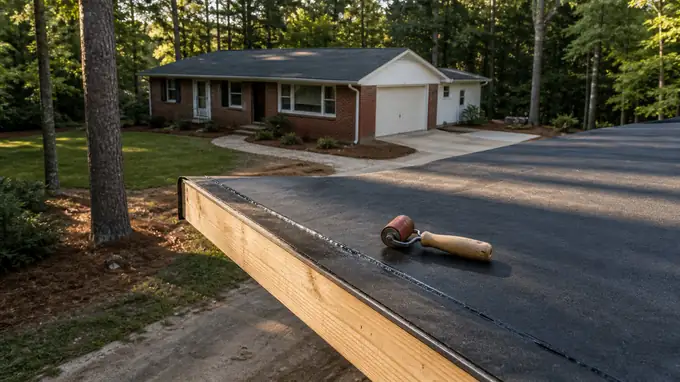
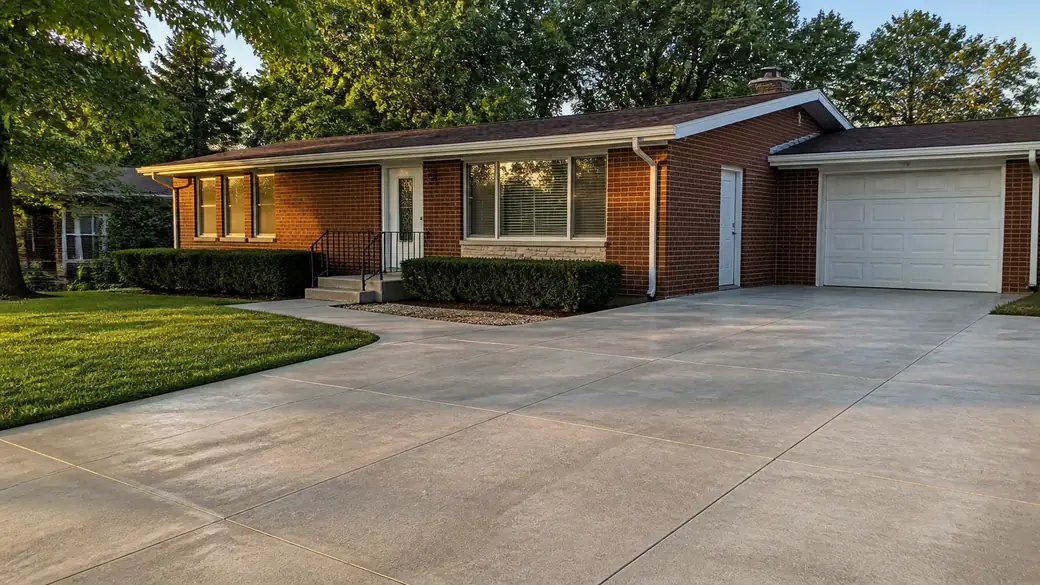
roof installation completed by a local contractor at a buff-brick ranch home in Madison, WI, under bright midday cloud.

Install Roofing

New construction and additions start with the deck and the details, not the shingle color. We install architectural asphalt shingles, low-slope membranes such as EPDM and TPO for flat sections and porches, and standing seam metal. On every job we cut in proper step and counterflashing where the roof meets a wall, set pipe boots and vents square, and balance intake at the soffit with exhaust at the ridge. Ventilation mistakes show up later as curled shingles and attic frost.

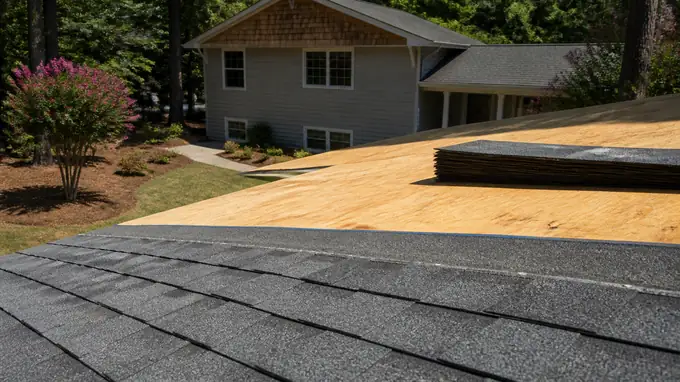
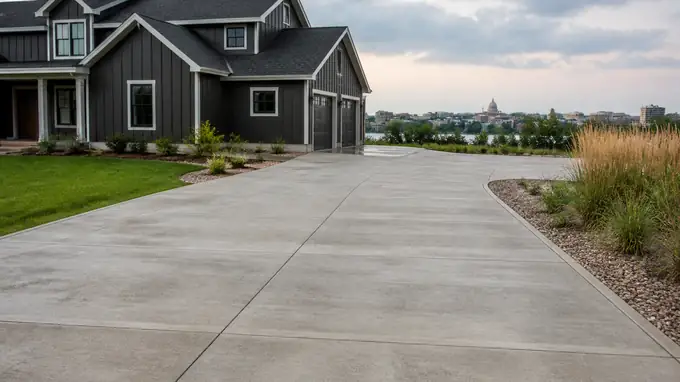
metal roof installation completed by a local contractor at a grey split-level home in Madison, WI, in clear late-morning sun.

Metal Roof Installation

Standing seam panels are only as good as what holds them down. We use concealed clips that let the metal expand and contract without working the fasteners loose, over a high-temperature underlayment instead of standard felt. Panels come in heavier-gauge steel with a Kynar (PVDF) finish that holds its color. Valleys, penetrations and wall transitions get hand-hemmed trim, and snow guards go above doors and walkways, since snow leaves metal all at once.

Why Sun Prairie Chooses Madison Precision Roofing

A roof inspection is only worth what it tells you. We walk the whole roof, not a corner of it, and we check the flashing at every chimney, vent and wall line, because that is where most leaks start. Inside, we look at the attic decking for water stains. With about 36 inches of snow a year here, we pay close attention to the eaves. Then we tell you what we found.

Some inspections end with a list of repairs nobody needed. Ours end with photos of what we saw and a plain answer: the roof is sound, it needs a repair, or it is near the end of its life. If it only needs maintenance, we say so. Replacement comes up when the materials have given out, not because a crew needs work. Call for a free estimate.

Choosing the Right Roofing System in Sun Prairie

Asphalt shingles are the usual choice for a pitched residential roof, and for good reason. They perform well, repairs are simple, and the materials are easy to match years later. Standing seam metal is the other common option. It sheds snow cleanly, which counts for something in a place that averages about 36 inches of it a year. Flat and low-slope sections are a different job: over a porch, an addition or a commercial building, they need a membrane, because shingles cannot hold back standing water.

The right system depends on the building more than the brochure. We look at the pitch, the decking, attic ventilation and how the flashing meets walls, chimneys and skylights. Those details decide how any roof performs, and they are where most leaks start. Water gets plenty of chances here, with about 32 inches of rain a year before the snow arrives. We lay out what suits your structure, explain the tradeoffs plainly, and you make the call.

What Decides the Price of Roofing in Sun Prairie

Most of what moves a roofing price is visible from the driveway or the attic before anyone climbs a ladder. These are the factors we look at on every Sun Prairie estimate, and you can check nearly all of them yourself.

What changes the priceWhich wayWhy
More than one layer of old shinglescosts moreEvery layer has to be torn off and hauled away before new materials go down. Two layers means twice the tear-off.
Soft, stained or sagging decking seen from the atticcosts moreRotted boards or plywood get cut out and replaced so the new roof has something solid to fasten to.
Steep pitchcosts moreOn a steep roof the crew works tied off and on roof jacks, which slows every section of the job.
A dumpster can park close to the housecosts lessTear-off drops straight into the bin. Long carries across a yard or around a fence add hours of labor.
Chimneys, skylights, dormers and plumbing ventscosts moreEach one needs its own flashing, cut and sealed by hand. That is where most leaks start, so it takes time.
A low-slope or flat section over a porch or additioncosts moreShingles do not belong on a roof that flat. That area needs a membrane system with its own edge and seam details.
Gutters that carry water away cleanlycosts lessWhen water leaves the roof properly, the eaves and fascia stay sound and there is less to replace.
Ridge and soffit ventilation already in placecosts lessWorking vents can often stay. Adding them means cutting the deck and installing new ones.

Put competing bids side by side and read the lines, not the total. Check whether each one is a full tear-off or a layover, whether decking repair is included, and whether the flashing is new or reused. Look for underlayment and ventilation spelled out by name. A bid that leaves those out is usually describing a different job.

Sun Prairie Questions

What causes tiles to break or slip on commercial roofs in the Sun Prairie area most frequently?

Most tile failures start with something other than the tile. Fasteners corrode or back out, and a tile that has lost its hold creeps down the slope a little each season. Foot traffic does the rest, from service techs walking across tile never meant to carry a person. Snow adds weight too, at around 36 inches a year here. We check fasteners, battens and underlayment before replacing a single piece.

What types of skylights do you install?

Fixed skylights, venting skylights that open by hand or by electric motor, and tubular skylights for hallways and small rooms where a full unit will not fit. Pitched residential roofs get deck-mounted units with matched flashing kits. On flat and low-slope roofs we use curb-mounted units, raised above the surface so water runs around them instead of pooling at the edge. The room and the roof decide the type.

Can you schedule inspections, installations, and repairs around my business hours?

Yes. An inspection is quiet work, and we can walk a roof before you open or after you close. Installation and replacement are louder, so we plan the schedule with you first: which sections, which days, where the crew parks and where materials sit. Where the job allows, we stage larger work so entrances stay clear and nobody walks under a crew. Repairs get the same planning.

Do you install flashing around chimneys and skylights?

Yes, and it is where a great many roof leaks begin. Around a chimney we step-flash each course, then cut counterflashing into the mortar joints so it laps over the steps. Wider chimneys get a cricket behind them to split the water. Skylights get their own flashing set, lapped with the underlayment so every piece sheds onto the one below it. Sealant is a backup, never the main protection.

Who installs skylights for commercial buildings in Sun Prairie?

Madison Precision Roofing does, from the structural check to the final seal. Before we cut the deck, we look at the framing and decide whether the opening needs headers or added support. On membrane roofs we set a curb, then carry the membrane up and over it with proper flashing. Where the work needs a permit, we handle the permit. The skylight goes in as part of the roofing system, not as an afterthought.

What methods do you use for cleaning roofs?

Gentle ones. High pressure strips granules off asphalt shingles and can drive water under the laps, so we keep it off them. We apply a low-pressure soft wash with a cleaner suited to the material, let it work, then rinse at garden-hose pressure. Flat roofs get swept, with drains and scuppers cleared and seams checked while we are up there. Valleys and gutters are cleared by hand.

What to Expect on a Sun Prairie Roofing Job

An inspector walks a shingle roof checking for cracked and missing shingles. at a brick-and-siding two-story home in Madison, WI.

Step 1: Roof Inspection

We start on the roof, not in the driveway. We walk every slope that is safe to walk and check the flashing at chimneys, walls and plumbing vents, the condition of the shingles, and any soft spots underfoot. Then we go into the attic with a light and look at the underside of the deck for staining, daylight and mold. Most leaks show up there long before they reach a ceiling in the house.

A contractor reviews a written roof replacement quote with a homeowner on the front porch. at a tan-brick colonial in Madison, WI, in early morning light.

Step 2: Written Estimate

Everything we found goes on paper. The estimate names the materials, the number of layers coming off, the underlayment, the flashing we plan to replace and any ventilation work, so you can compare it line by line with anyone else's. Deck repair is written as its own item, because nobody can see every bad board from the attic. If the roof needs repairs rather than a replacement, the estimate says so plainly.

The stripped roof deck sits exposed after old shingles and felt are removed. at a buff-brick ranch home in Madison, WI, in early morning light.

Step 3: Removal of Old Materials

Tear-off goes down to the bare deck. We strip shingles, old felt, rusted drip edge and any nails left standing, and we do not lay new shingles over old ones. A second layer hides rot and adds weight the framing was never sized for. Tarps go over the landscaping and against the siding before the first shingle comes off, and we only open as much roof as we can dry in that day.

A roofer fastens new OSB roof sheathing sheets with a staggered nailing pattern. at a red-brick ranch home in Madison, WI, under bright midday cloud.

Step 4: Deck Repair

With the deck exposed, the real condition of the roof is plain to see. Delaminated plywood, OSB swollen at the edges, and boards gone soft around a vent or valley all get cut out. We replace them with new sheathing cut to the same thickness as the existing deck, so the new roof lies flat instead of showing a ridge at every seam. Before any wood goes back, we find the water that rotted it.

A roofer seals overlapping underlayment seams along the eave edge. at a red-brick ranch home in Madison, WI, in late afternoon light.

Step 5: Underlayment Installation

Underlayment is the layer that keeps water out when the shingles do not. Along the eaves and in every valley we lay self-adhered ice and water membrane, which seals around each nail driven through it. The area sees about 36 inches of snow a year, and melt that refreezes at the gutter line is what pushes water back under shingles. The rest of the deck gets synthetic underlayment, lapped properly, with new drip edge at eaves and rakes.

A roofer nails asphalt shingles into place course by course. at a grey split-level home in Madison, WI, in clear late-morning sun.

Step 6: Roofing Installation

A starter strip along the eave comes first, then each course laid to the manufacturer's exposure, every nail driven flush through the nailing strip. High or overdriven nails are what let shingles lift and blow off years later. We bend new step flashing at every sidewall, set counterflashing into the chimney mortar, and replace the rubber boots on plumbing vents. Ridge vent goes on last, balanced against the soffit intake so the attic can breathe.

A roofer checks water flow through a newly reattached gutter after installation. at a grey split-level home in Madison, WI, in late afternoon light.

Step 7: Final Inspection

Before the crew packs up, someone who did not lay the shingles walks the roof. They check that every course runs straight, that no nail heads are exposed, that flashing is sealed at walls and chimneys, and that vents are open. Anything wrong gets fixed while the ladders are still up. We handle the permit, so when the job calls for an inspection, we schedule it and meet the inspector on site.

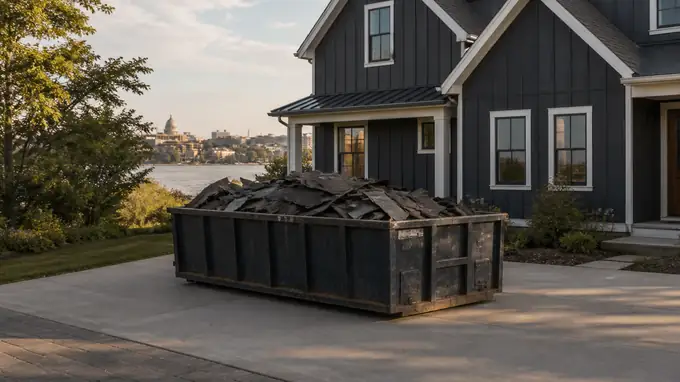
Workers load the last bundles of old shingle debris into a driveway dumpster. at a charcoal farmhouse-modern home in Madison, WI, in late afternoon light.

Step 8: Cleanup

Cleanup runs through the whole job, not only at the end. Old shingles go straight from the roof into the dumpster, not onto your lawn. Each evening we pick up loose debris, and when the roof is finished we run a magnetic sweeper over the driveway, walks, yard and garden beds to pull up stray nails. Gutters get flushed of shingle grit. Then we walk the property with you.

Get a Free Estimate

Request an Estimate

Tap to call +1 608-594-7071