+1 608-594-7071
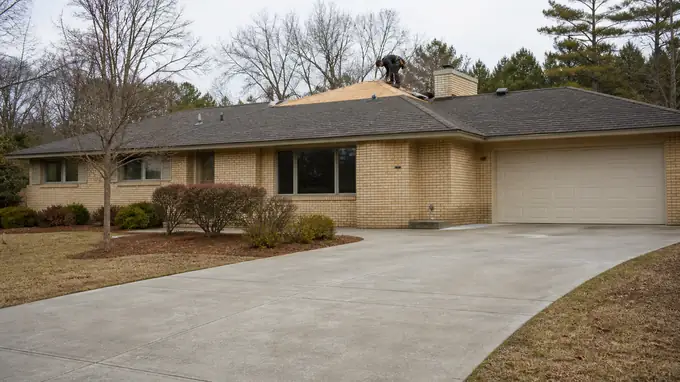
metal roof repair completed by a local contractor at a grey split-level home in Madison, WI, after a rain shower.

Metal Roof Repair in Madison, WI

A metal roof rarely fails all at once. It fails at the details: a fastener that has backed out, a seam that has opened, flashing that has pulled away from a chimney or a wall. We find where the water is actually getting in and repair that, on residential and commercial buildings across Madison. Often the panels themselves are still sound, and the fix is smaller than people expect.

Weather here finds those details quickly. Madison averages about 36 inches of snow and 32 inches of rain a year, and every inch of it tests the seams, screws and penetrations. A small leak left through one winter can mean wet decking, damaged insulation and stained ceilings by spring. If you are seeing water where it should not be, call for a free estimate.

Call +1 608-594-7071

Request an Estimate

What Metal Roof Repair Involves

Image slot Roof Repair Near Me 680px · 16:9 · no image declared for this subject

Roof Repair Near Me

Most calls about a metal roof start with a drip, and the drip is usually a screw. On exposed-fastener panels, the rubber washer under each screw hardens and cracks with age, the screw works loose as the steel expands and contracts, and water follows the shank inside. We replace those with oversized fasteners and fresh washers, reseal side laps with butyl tape, and rebuild failed flashing at walls, chimneys and pipe boots.
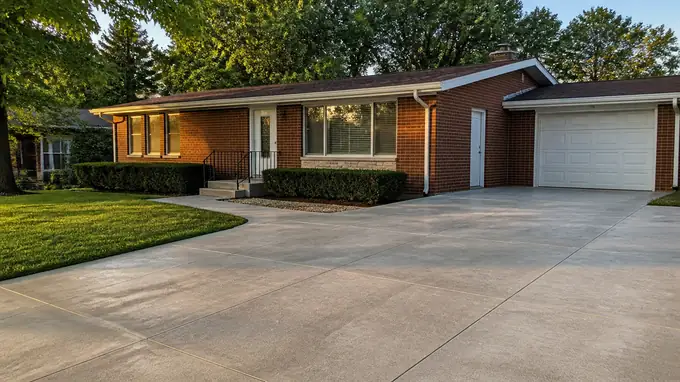
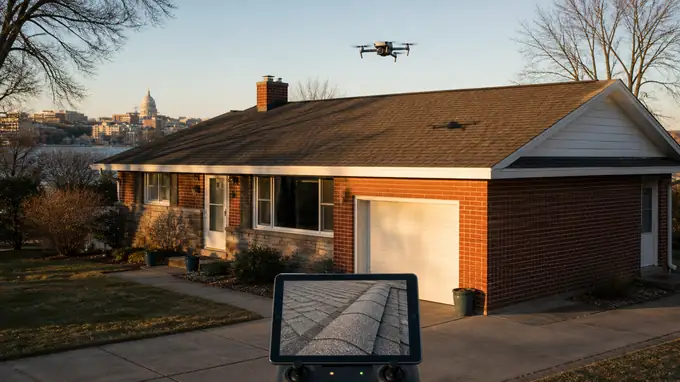
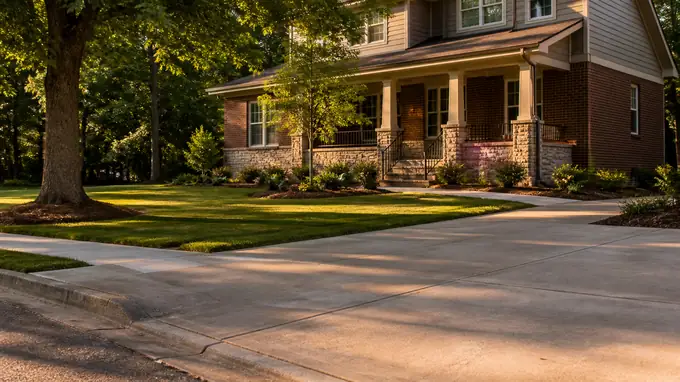
roof inspection completed by a local contractor at a red-brick ranch home in Madison, WI, in late afternoon light.

Roof Inspection

An inspection tells you whether a leak is one bad seam or a roof near the end of its life. We walk the panels and check every fastener line, the ridge closures, eave trim and valley flashing. We look for rust starting at cut edges, paint that has chalked or peeled, oil canning in the flats, and standing seams lifting off their clips. We photograph what we find, good and bad, so you see it yourself.

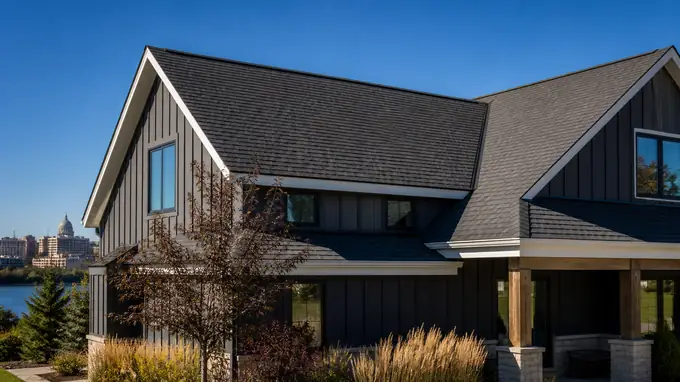
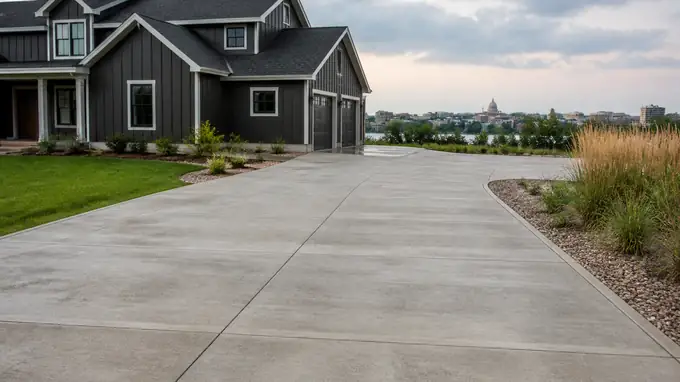
roof replacement completed by a local contractor at a charcoal farmhouse-modern home in Madison, WI, after a rain shower.

Roof Replacement

Sometimes repair stops making sense. Rust has gone through the steel, not just the paint, or the panels were too light a gauge to begin with. Replacement means stripping to the deck, checking the sheathing for rot and soft spots, and laying ice and water shield at eaves and valleys under a synthetic underlayment. New panels are heavier-gauge steel with a PVDF finish, which holds its color far longer than the cheaper paint on many older roofs.

roof installation completed by a local contractor at a buff-brick ranch home in Madison, WI, under bright midday cloud.

Install Roofing

Good metal installation comes down to details nobody sees from the street. On standing seam, we fasten panels with floating clips so the steel can move with the seasons without pulling its fasteners loose. Every penetration gets a proper boot or curbed flashing, never just a bead of caulk. Trim is bent on site to fit the building. Half the homes here went up before 1979, so we confirm the framing and decking can carry the new roof first.

Our Warranty and Guarantee

A warranty is only as good as the work under it, so ask any roofer the same questions before you sign. What exactly is covered: the panels, the fasteners, the flashing, or the labor? For how long, and who pays if a seam leaks again? Get every answer in writing.

Our side is the work itself. We replace worn fasteners and dried-out sealant around the whole repair, not just the one hole that let water in. Before we close anything up, we photograph the flashing and seams so you can see what was done. On a metal roof that sees about 36 inches of snow a year, that record is worth keeping.

Roofing Systems and Materials for Madison

Most metal roofs we repair fall into two families. Standing seam panels lock together at raised ribs and hide their fasteners, so leaks usually start at flashing, at penetrations, or at a seam that has been pried open. Exposed-fastener panels screw straight through the face, and their weak point is the rubber washer under each screw. We work on both, on residential and commercial buildings. Knowing which one you have decides the repair.

Matching the original is what makes a repair last. Before ordering anything, we identify the panel profile, gauge and coating (Galvalume, galvanized, painted steel or aluminum), because dissimilar metals touching at a patch will corrode. A house near the area's 1979 median build year may carry decades of earlier repairs, so we check those as well. Fasteners and sealants are picked to carry roughly 36 inches of snow a year.

How Much Does Metal Roof Repair Cost in Madison?

Most metal roof repairs are priced by what we find up there, not by the square footage of the roof. You can check a lot of it from the yard, the attic and the driveway before anyone climbs a ladder. These are the things that move the number, and which way they push it.

What changes the priceWhich wayWhy
Standing seam panels rather than screw-down panelscosts moreSeams have to be opened and re-crimped, and a matching profile takes longer to source.
Rust at the panel laps or along the eavescosts moreRusted metal gets cut out and replaced, not patched, so we match gauge and color.
Dark stains or soft spots on the attic deckingcosts moreWet sheathing under the metal comes out before any panel goes back on.
Several chimneys, skylights or vents through the roofcosts moreEach penetration gets its own hand-fitted flashing.
A driveway that runs right up to the eavecosts lessWe set ladders and stage materials at the work instead of carrying panels across a slope.
Steep pitch or a second-story eavecosts moreMore safety rigging, and slower footing on smooth metal.
Gutters and valleys that hold standing water or icecosts moreWith about 36 inches of snow a year, we fix where meltwater backs up, not only the leak it caused.
One leak with a clear, dry sourcecosts lessA single fastener or seam repair is short, contained work.

When you lay two bids side by side, look past the total. Check whether each one names the panel gauge and profile it will match, whether rotted decking is priced per sheet or left open, and whether flashing is replaced or just resealed. A bid that answers those three plainly is one you can hold someone to.

Frequently Asked Questions About Metal Roof Repair in Madison

How do I find a qualified metal roof repair contractor in Madison?

Ask them to get on the roof before they give you a number. Someone who knows metal will talk about fasteners, seams, sealant and flashing, not just "the leak." Get the scope in writing, with the materials named. Ask for addresses of metal repairs they have done and drive past a couple. If someone recommends a full replacement from the driveway, keep calling around.

How long does a commercial metal roof last in Madison, WI?

Longer than most of what gets bolted to it. The panels usually outlast the fasteners, sealants and rooftop penetrations, so a roof's working life comes down to how well those are kept up. Standing seam with concealed clips asks for less attention than exposed-fastener panel. Here a roof carries about 36 inches of snow a year and 32 inches of rain, so drainage and flashing get tested every season. Steady maintenance is what stretches it.

Can metal roof screws be replaced?

Yes, and on an exposed-fastener roof that is often the whole fix for a leak. The rubber washers under the screw heads dry out and crack long before the panel wears, and water follows the shank straight in. We back out the old screw, check the hole, and set a new one with a fresh washer. Where the hole has wallowed out, we step up a size so the screw bites clean material.

Is a metal roof more expensive than a TPO roof?

Yes, usually, on upfront cost. TPO is a single-ply membrane made for flat and low-slope commercial roofs, and it goes down faster with less material. Metal costs more to buy and to install. Where it earns that back is in how long the panels last and how little they need between inspections. The two also suit different buildings: metal wants some pitch to shed water, and TPO is built for roofs that barely have any. Call for a free estimate.

How do you ensure the quality of your metal roof installations?

By checking the parts nobody sees once the job is closed up. We confirm the deck or purlins are sound before any panel goes on, follow the manufacturer's fastener spacing, and use compatible metals so nothing corrodes where two pieces touch. Flashing at walls, curbs and penetrations gets bent to fit the roof in front of us. Before we leave, we walk every seam and screw line a second time.

What is the lifespan of a galvanized metal roof on a home?

It depends mostly on the zinc coating and how well that coating is protected. Galvanizing works by wearing itself away in place of the steel, so a painted panel holds up far longer than bare metal. Scratches, cut edges and contact with copper or treated lumber all speed the wear. On Madison houses (the median one here was built in 1979), rust usually shows first at fasteners and laps. Catching it there keeps the repair small.

How a Metal Roof Repair Job Runs in Madison

A drone hovers over a steep roof to photograph areas too high to reach by ladder. at a red-brick ranch home in Madison, WI, in late afternoon light.

Step 1: Roof Inspection

We start on the roof, not from the driveway. We check every seam, screw and piece of flashing, because most metal roof leaks come from a few predictable spots: fasteners whose rubber washers have dried and cracked, sealant pulled away at panel laps, and flashing around chimneys, vents and skylights. Inside, we look in the attic for stained sheathing, damp insulation and rusted nail tips. We photograph what we find so you see it too.

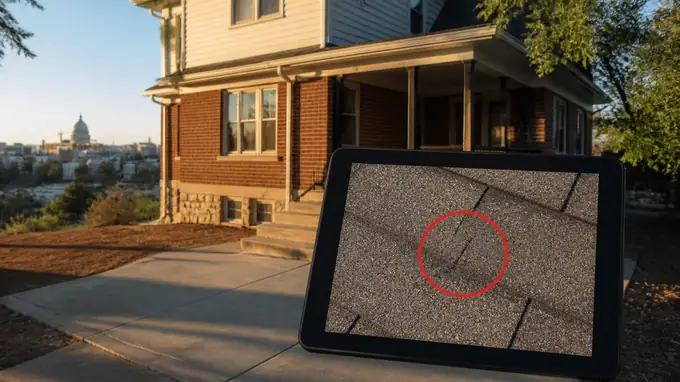
A roofer scrolls through inspection photos on a tablet while preparing the homeowner's estimate. at a brick-and-siding two-story home in Madison, WI.

Step 2: Written Estimate

You get the scope in writing before any work is scheduled. It names what we will repair, what we will replace, and the materials: panel profile, steel gauge (usually 24 or 26), finish, fastener type and underlayment. If part of the deck looks suspect but we cannot confirm it from above, the estimate says so plainly and explains how we handle rot if we open the roof and find it. Nothing is buried in vague wording.

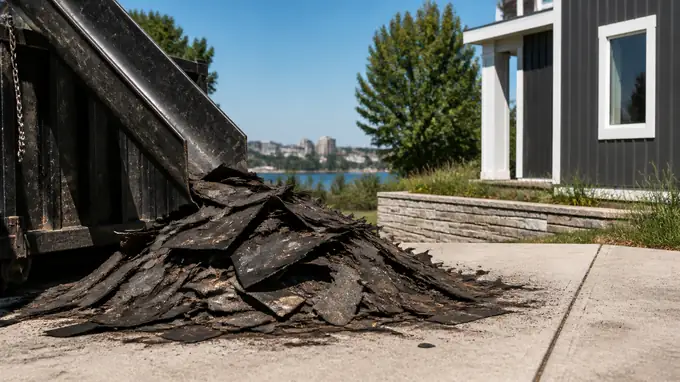
Workers tear off old shingles and toss them down a debris chute. at a charcoal farmhouse-modern home in Madison, WI, in clear late-morning sun.

Step 3: Removal of Old Materials

Only the damaged section comes off. We back out fasteners or release standing seam clips, lift the panels, and pull the old underlayment, dried sealant and bent trim beneath them. Panels in good shape get set aside and reused where the finish and profile allow. Anything rusted through, creased, or punctured by hail or a fallen limb goes in the dumpster. We keep the opening small and cover it if weather moves in.

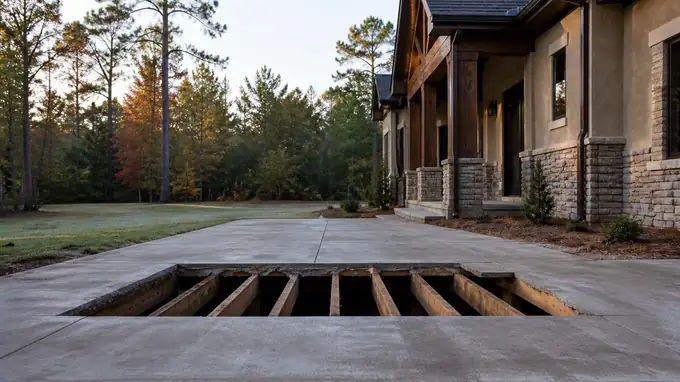
A roofer checks exposed roof rafters for daylight gaps before sheathing goes back down. at a painted-white-brick two-story home in Madison, WI.

Step 4: Deck Repair

Soft decking is where a slow leak shows its real cost. We probe the exposed sheathing, cut out anything delaminated or rotted back to sound wood, and patch with new plywood or OSB matched to the existing thickness, often 1/2" or 7/16". Seams land on rafters and get fastened properly. If a rafter is cracked or wet through, we sister it before going further. Nothing new goes over structural damage we already know about.

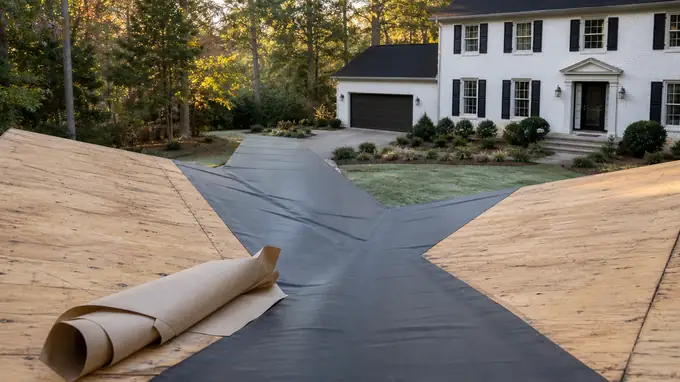
A roofer installs ice-and-water shield in a roof valley before the main underlayment. at a painted-white-brick two-story home in Madison, WI.

Step 5: Underlayment Installation

Over bare deck, we lay a high-temperature self-adhered membrane at the eaves, valleys and every penetration. Metal runs hot in summer sun, and ordinary asphalt felt can soften and stick to the panels. With about 36 inches of snow a year, we want the eaves sealed tight. The rest of the repair area gets synthetic underlayment, lapped so water always sheds downhill, plus a slip sheet under standing seam.

A roofer fits new flashing around a roof vent during shingle installation. at a brick-and-siding two-story home in Madison, WI, in late afternoon light.

Step 6: Roofing Installation

New panels match the existing profile and gauge. Older painted finishes fade, so we hold a color sample against your roof before ordering. Exposed-fastener panels go back with new screws and EPDM washers, driven snug, not crushed. Standing seam sections get new clips and are seamed to the panels beside them. Then the flashing and trim: foam closures, butyl tape at laps, and no copper or lead touching Galvalume, since it eats the coating.

A contractor and homeowner walk the yard for a final look at the completed roof. at a charcoal farmhouse-modern home in Madison, WI.

Step 7: Final Inspection

Before we call it done, we walk the repair a second time. Every screw is checked for seating, every seam for full engagement, every flashing edge for sealant contact. When it makes sense, we run a hose over the repaired area with someone watching from the attic. Then we look over the rest of the roof once more, because a loose fastener three panels over leaks just the same. You get photos of the finished work.

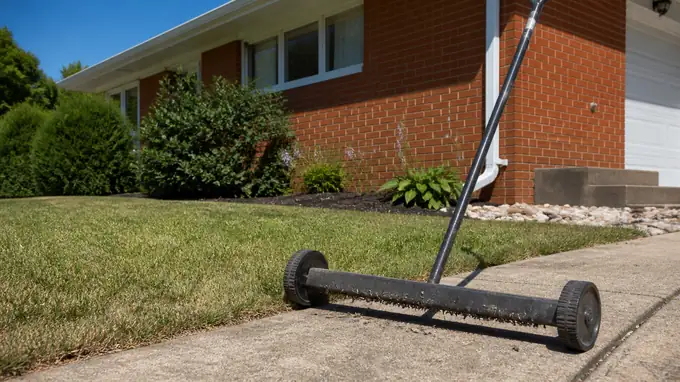
A worker pushes a magnetic sweeper across the lawn to collect stray nails. at a red-brick ranch home in Madison, WI, in clear late-morning sun.

Step 8: Cleanup

Metal shavings are the mess people do not see. Drilling and cutting leave small steel filings on the panels, and within weeks each one becomes a rust spot on the finish. We brush them off by hand before we climb down. On the ground, we run a magnetic sweeper across the lawn, beds and driveway for screws and offcuts, haul away the old panels and underlayment, and leave the property as we found it.

Get a Free Estimate

Request an Estimate

Tap to call +1 608-594-7071